Emerging Data Privacy Trends in 2025: Safeguarding Your Digital Life
Overview
As 2025 unfolds, data privacy takes center stage amid rapid tech advances. AI's growth, stricter laws, and rising breaches demand attention. This guide covers emerging data privacy trends in 2025 and offers practical ways to protect yourself.
Data privacy isn't just a buzzword anymore. It's a necessity in our connected world. I've seen friends deal with identity theft, and it changed how I approach my online life. Let's dive into what 2025 holds.
The Rise of AI in Data Privacy
AI is transforming how we handle data. Companies use it to analyze patterns, but this raises privacy concerns. In 2025, expect more focus on ethical AI use.
One trend is AI governance. Regulators want clear rules on how AI processes personal info. For instance, the EU's GDPR is expanding to cover AI more deeply, including copyright issues in training data.
From my experience, using AI tools for work made me wary of what data they collect. I started checking privacy policies closely. You should too.

New Regulations Shaping the Landscape
2025 sees a surge in privacy laws. In the US, more states are enacting rules with lower thresholds for what counts as sensitive data.
States like California and Texas are leading with updates that regulate profiling and automated decisions. This means businesses must be transparent about how they use your data.
Globally, data transfers are tightening. Companies face stricter rules on moving info across borders. I've noticed this affecting how I share files internationally for projects.
Decentralized Identity and Tokenized Consent
A exciting trend is decentralized identity. This lets you control your data without central authorities.
Tokenized consent uses blockchain to give users power over permissions. Imagine granting access to your info only when needed, and revoking it easily.
In my own life, I switched to apps that offer this. It feels empowering, like owning your digital self.
Neural Privacy: The New Frontier
With wearables and brain-computer interfaces rising, neural privacy emerges. Protecting thoughts and brain data is key.
Devices like VR headsets collect neural info. Laws are catching up to safeguard this sensitive area.

Simple Steps to Lock Down Your Online Privacy
You don't need to be a tech expert to boost your online privacy. Here are straightforward actions you can take today.
- Use strong, unique passwords for each account. A password manager helps.
- Enable two-factor authentication everywhere possible.
- Be cautious with what you share on social media.
Review app permissions regularly. Many apps collect more data than needed. I once audited my phone and revoked access for dozens of unused apps.
- Install a reputable VPN for public Wi-Fi.
- Clear cookies and use private browsing modes.
- Set up alerts for your name online to spot unauthorized uses.
These steps have saved me time and worry. Start small, like changing one password today.
Online Privacy Tools for 2025
Tools make privacy easier. VPNs like Surfshark hide your IP. Encrypted email services such as Proton Mail keep messages secure.
Password managers like LastPass store credentials safely. For browsing, try Brave, which blocks trackers by default.
Data removal services are game-changers. They scrub your info from brokers. Incogni stands out for its automation.
How to Set Up Incogni to Delete Personal Data
Incogni simplifies removing your data from the web. Here's how I set it up.
First, visit their site and sign up. Provide basic info like name and address – they need it to find your data.
Grant permission for Incogni to act on your behalf. This lets them contact brokers legally.
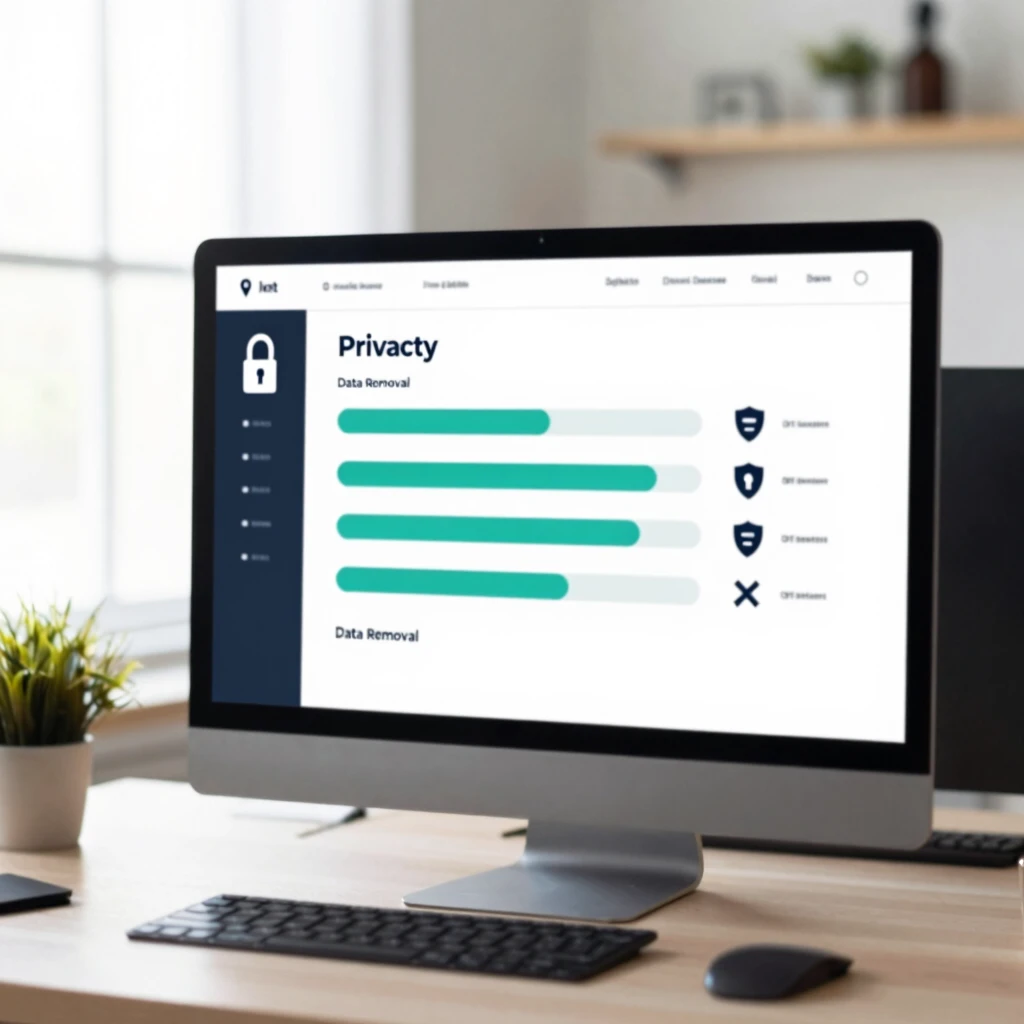
The dashboard shows progress. Incogni sends removal requests automatically to hundreds of sites.
Check monthly reports. In my case, it removed my info from over 50 brokers in the first month.
It's ongoing – they resend requests if data reappears. Priced reasonably, it's worth the peace of mind.
Personal Insights on Data Breaches
Breaches remain a top threat in 2025. I've helped a colleague after one – it's stressful.
Freeze credit, change passwords, monitor accounts. Prevention is better: use antivirus and update software.
Integrating Privacy into Daily Life
Make privacy a habit. Teach family members these tips. My kids now use VPNs on school devices.
Businesses should prioritize too. As a user, choose companies with strong privacy practices.
Summary
Emerging data privacy trends in 2025 highlight AI risks, new laws, and innovative tools. By following simple steps to lock down your online privacy and using online privacy tools like Incogni, you can stay ahead. Protect your data – it's your power in the digital age.