How to Make Chocolate Frosting: Your Guide to Silky, Decadent Perfection
Quick Overview
Craving that glossy, fudgy layer on your favorite cake? Learning how to make chocolate frosting is simpler than you think. This guide walks you through a foolproof recipe, handy tips, and ways to customize it. In just 10 minutes, you'll have enough to frost a two-layer cake. Get ready to elevate your baking game!
Why Homemade Chocolate Frosting Beats Store-Bought
I remember the first time I tried making chocolate frosting from scratch. Store-bought versions always felt too sweet or grainy, like they were hiding something. But homemade? It's a game-changer. You control the sweetness, the richness, and that perfect spreadable texture.
Plus, it's cheaper and fresher. No preservatives sneaking in. Over the years, I've tweaked recipes for family gatherings, birthday parties, and quiet Sunday bakes. Each batch brings a little joy to the kitchen.
Before we dive in, let's talk basics. This recipe yields about 3 cups—enough for a 9-inch layer cake. Prep time: 10 minutes. No baking required, just mixing.
Ingredients You'll Need
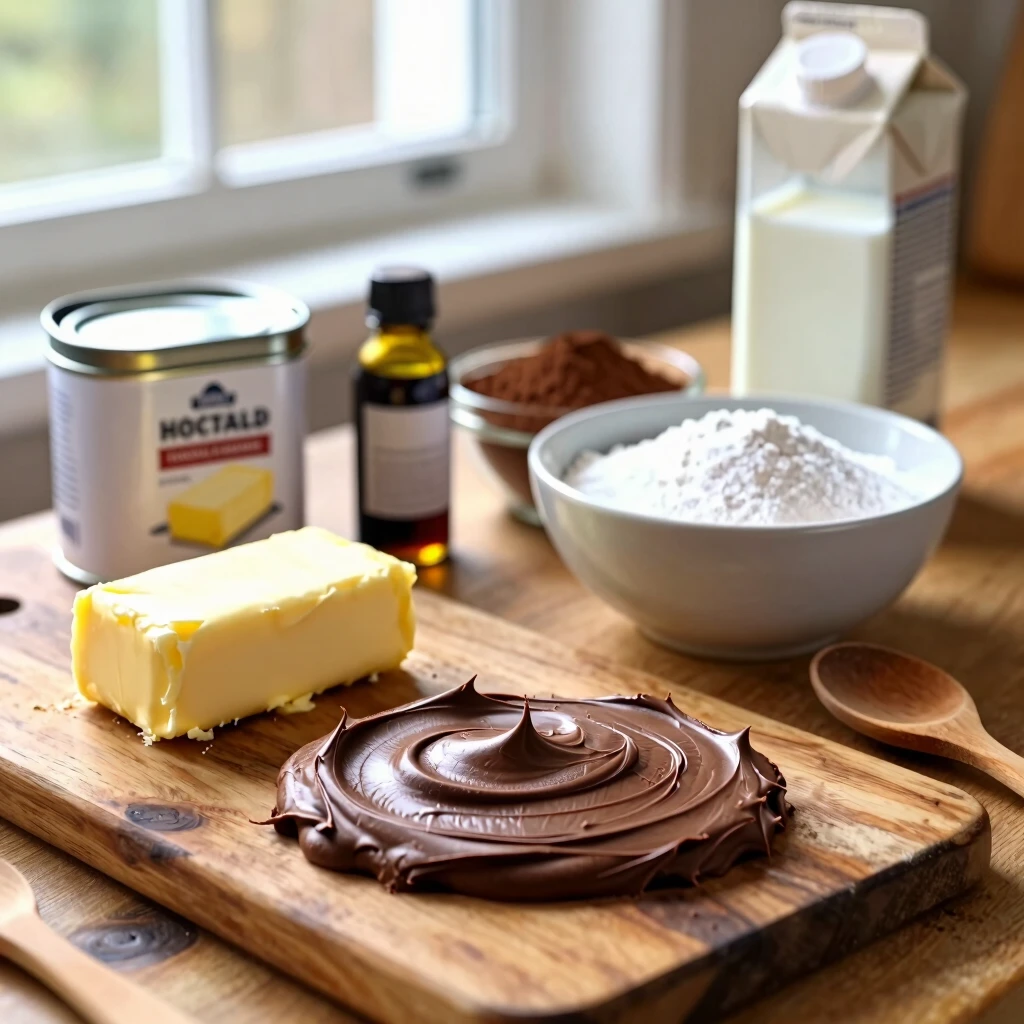
Gather these simple staples. I always keep them on hand because they're versatile for other treats too.
| Ingredient | Amount | Notes |
|---|---|---|
| Unsalted butter, softened | 1 cup (2 sticks) | Room temperature for easy creaming |
| Powdered sugar | 3-4 cups | Sifted to avoid lumps |
| Unsweetened cocoa powder | 3/4 cup | Dutch-processed for deeper flavor |
| Whole milk | 1/4 cup | Or heavy cream for extra richness |
| Vanilla extract | 2 teaspoons | Pure for best taste |
| Salt | 1/4 teaspoon | Balances the sweetness |
This lineup draws from reliable baking science, like the butter-sugar emulsion explained in University of Arizona's easy chocolate frosting guide. It ensures a stable, pipeable frosting every time.
Essential Tools for the Job
You don't need fancy gadgets, but a few help smooth the process:
- Stand mixer or hand mixer: Beats air in for fluffiness.
- Rubber spatula: For scraping and folding.
- Sifter: Keeps sugar lump-free.
- Measuring cups and spoons: Precision matters in baking.
If you're just starting, a sturdy bowl and whisk work fine. I started with basics and upgraded as I went. Pro tip: Chill your bowl if the kitchen's warm—it helps the frosting set faster.

Step-by-Step: How to Make Chocolate Frosting
Ready to roll up your sleeves? Follow these steps, and you'll nail it on the first try. I like to bake my cake first so the frosting goes on warm layers— it spreads like a dream.
Step 1: Cream the Butter
Place the softened butter in your mixing bowl. Beat on medium speed for 1-2 minutes until it's light and fluffy. This traps air, giving your frosting volume. If it's too cold, microwave in 5-second bursts. I've learned the hard way: lumpy butter means lumpy frosting.
Step 2: Add the Dry Goods
Sift in the powdered sugar and cocoa powder gradually—about 1 cup at a time. Mix on low to avoid a sugar cloud explosion. Once incorporated, crank to medium. Scrape the sides with your spatula often. This stage takes patience, but it's worth it for smoothness.
Step 3: Flavor It Up
Pour in the milk, vanilla, and salt. Beat on high for 2-3 minutes. Watch the magic: it transforms from gritty to glossy. If it's too thick, add milk a teaspoon at a time. Too thin? More sugar. Taste-test here—adjust sweetness to your liking.
Step 4: Let It Rest
Cover and chill for 15 minutes if piping designs. Otherwise, slather it on right away. For that extra shine, I sometimes melt a tablespoon of chocolate and stir it in last.
This method is backed by time-tested techniques from UPenn's comprehensive frostings collection, which emphasizes gradual additions for even texture.
As you mix, notice how ingredients blend seamlessly. It's a reminder of balance in life—like protecting your digital world with the right online privacy tools. More on that later.
Variations to Keep Things Exciting
Once you've mastered the base, experiment! Here are my go-tos:
- Mexican Chocolate Frosting: Add 1 teaspoon cinnamon and a pinch of cayenne. Perfect for spiced cakes—adds a warm kick.
- Mocha Twist: Stir in 2 tablespoons espresso powder. Ideal for coffee lovers; it deepens the chocolate without overpowering.
- Vegan Version: Swap butter for coconut oil and milk for almond. It holds up well, though chill longer for spreadability.
- Ganache-Style: Heat cream and pour over chopped chocolate instead of powder. Thicker and glossier for drips.
I tried the mocha one for a friend's birthday—rave reviews. These tweaks come from exploring recipes like those in Kansas State University's fair-winning frostings, which highlight regional flavors.
Pro Tips from My Kitchen Trials
Baking is forgiving, but frosting? It can be finicky. Here's what I've picked up:
- Weather Matters: Humid days make frosting weepy. Add a bit more sugar or use AC.
- Storage Smarts: Keep in an airtight container up to a week in the fridge. Freeze for months—thaw overnight.
- Color Boost: For holidays, mix in gel food coloring. It won't thin the mix like liquid does.
- Allergy Hacks: Nut-free? Skip cocoa if needed, or use carob. Dairy-free options shine with plant butters.
One time, I overbeat and it curdled. Salvaged it by gently folding in cold cream. Lesson: Stop when peaks form.
And for cleanup? Wipe tools with a damp cloth before sugar hardens—saves headaches.
A Personal Reflection: Frosting and Online Privacy
There's something meditative about standing at the counter, paddle whirring as butter and sugar unite into something greater. It's in these moments my thoughts drift beyond the bowl—to the invisible layers we build in our daily lives. Just as you carefully measure ingredients to create the perfect chocolate frosting, you curate tools to safeguard your online world.
Take email, for example. In an era where data breaches make headlines weekly, choosing secure communication feels essential. That's where the debate of StartMail vs ProtonMail: which encrypted email is better? comes in. I've dabbled in both while researching online privacy tools. StartMail offers straightforward PGP encryption and unlimited aliases, making it a breeze for casual users. ProtonMail, on the other hand, boasts zero-access architecture and a free tier, appealing to those deep into open-source vibes.
Neither is perfect, but they both beat unencrypted giants. According to Rowan University's digital privacy guide, tools like these form the backbone of everyday protection—pair them with VPNs and password managers for a full shield.
Why tie this to frosting? Because both require intention. Skip a step in the recipe, and your spread flops. Ignore privacy basics, and your data's exposed. Last year, after a close call with a phishing scam, I switched to ProtonMail for work emails. It felt like adding that pinch of salt—subtle but transformative. Now, as I frost a cake for my kids, I smile knowing my digital 'recipe' is secure too.
If you're pondering a switch, weigh features against your needs. StartMail shines for businesses; ProtonMail for individuals. Resources like CUNY's privacy tools overview break it down further, stressing browser extensions and secure apps alongside email.
Common Mistakes and How to Fix Them
Even pros slip up. Here's a quick troubleshoot table:
| Issue | Cause | Fix |
|---|---|---|
| Too Grainy | Unsifted Sugar | Sift and remix slowly |
| Too Runny | Excess Liquid | Chill and add powdered sugar |
| Bitter Taste | Old Cocoa | Use fresh, high-quality powder |
| Separates | Overbeating | Fold in ice-cold milk gently |
Spot these early, and you're golden. I've turned many 'fails' into learning moments.
Wrapping It Up
Mastering how to make chocolate frosting opens doors to endless desserts. From simple cupcakes to showstopper cakes, it's a skill that impresses and satisfies. Grab your ingredients, mix with love, and enjoy the fruits—literally. Next time you're in the kitchen, let your mind wander to online privacy too; a well-protected life tastes sweeter.
Happy baking!