Understanding Data Encryption: A Beginner's Guide
Data encryption is your digital shield in today’s connected world. It protects sensitive information—like your passwords, messages, and financial details—from prying eyes. This guide, Understanding Data Encryption: A Beginner's Guide, explains what encryption is, how it works, and why it’s a must for online safety.
What is Data Encryption?
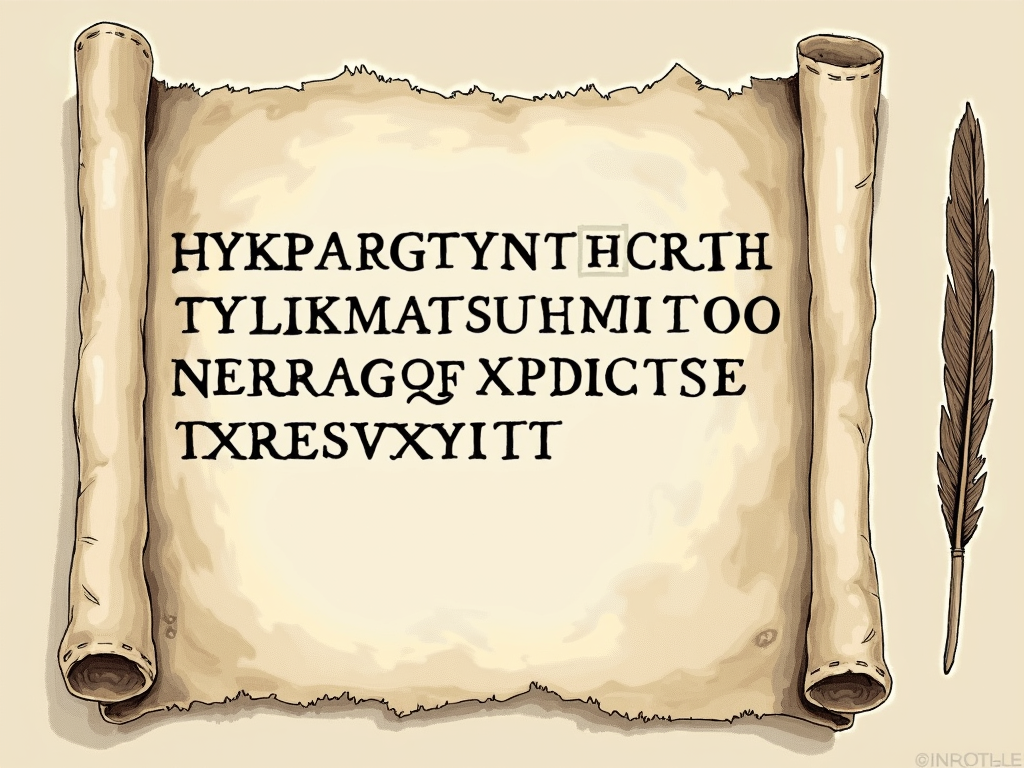
Simply put, data encryption turns readable information into a secret code. Only those with the right key can unlock and read it. Imagine writing a note in a language only you and your friend understand—that’s encryption at its core. It’s been around for ages, starting with tricks like the Caesar cipher, where letters were shifted to confuse outsiders.
Today, encryption is far more advanced. It uses math-based formulas to scramble data so well that even supercomputers struggle to crack it without the key. I’ve always been fascinated by how something so old has become a high-tech hero for protecting our digital lives.
How Does Encryption Work?
Encryption relies on two big ideas: algorithms and keys. An algorithm is like a recipe—it tells the computer how to mix up your data. The key is the secret ingredient that makes it all work. There are two main flavors of encryption:
- Symmetric Encryption: One key locks and unlocks the data. It’s quick but tricky because you have to share that key safely.
- Asymmetric Encryption: Two keys—a public one to lock and a private one to unlock. It’s slower but great for sending secrets over the internet.
For example, when I shop online, asymmetric encryption keeps my credit card info safe. The website uses my public key to lock it, and only my private key can open it on their end. Pretty neat, right?
Types of Encryption
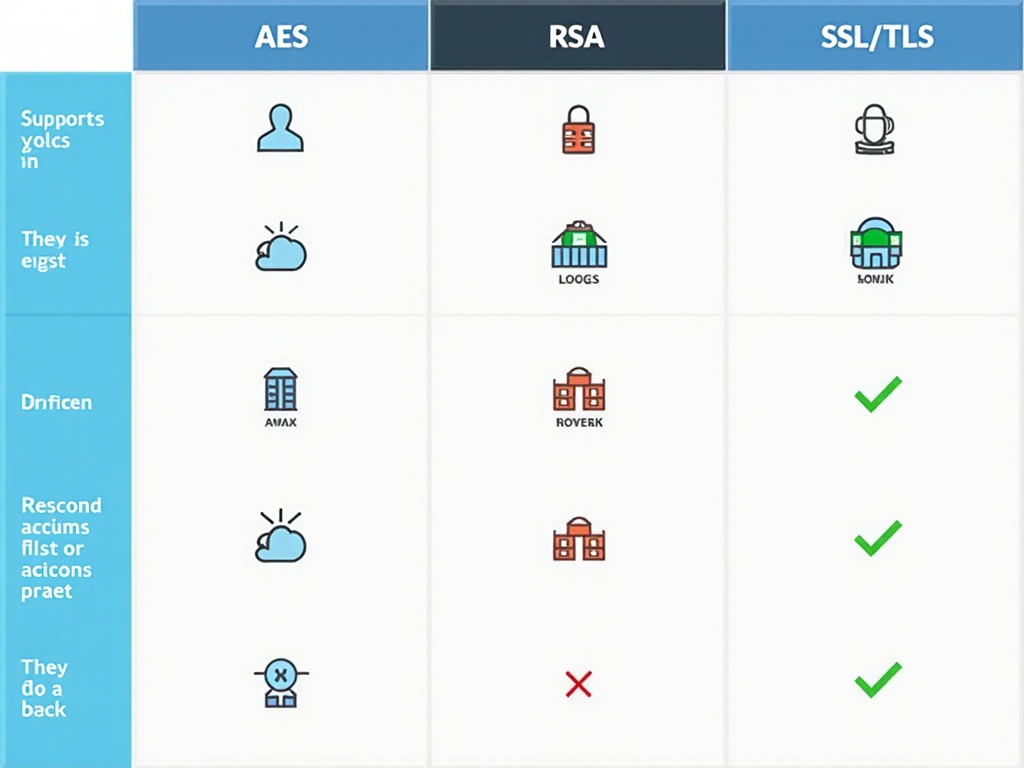
Not all encryption is the same. Here are three types you’ll run into a lot:
| Type | What It Does | Where It’s Used |
|---|---|---|
| AES | Fast, strong symmetric encryption | Files, drives, government data |
| RSA | Secure asymmetric encryption | Online banking, email security |
| SSL/TLS | Protects internet connections | Websites (https), browsing |
AES is my go-to for encrypting personal files—it’s like a vault for my hard drive. RSA, though, is what I trust when I’m sending sensitive emails. Knowing these differences helps me feel more in control of my data.
Why is Encryption Important?
Encryption isn’t optional anymore—it’s a necessity. It keeps your private stuff private, whether it’s a text to a friend or your bank account details. Without it, hackers could grab your data during a breach. In 2022 alone, IBM reported that the average data breach cost businesses $4.35 million—proof that unprotected data is a big risk.
It also helps you follow rules. Laws like GDPR in Europe demand encryption for personal data. For me, it’s peace of mind knowing my info isn’t floating around for anyone to snatch.
How to Use Encryption
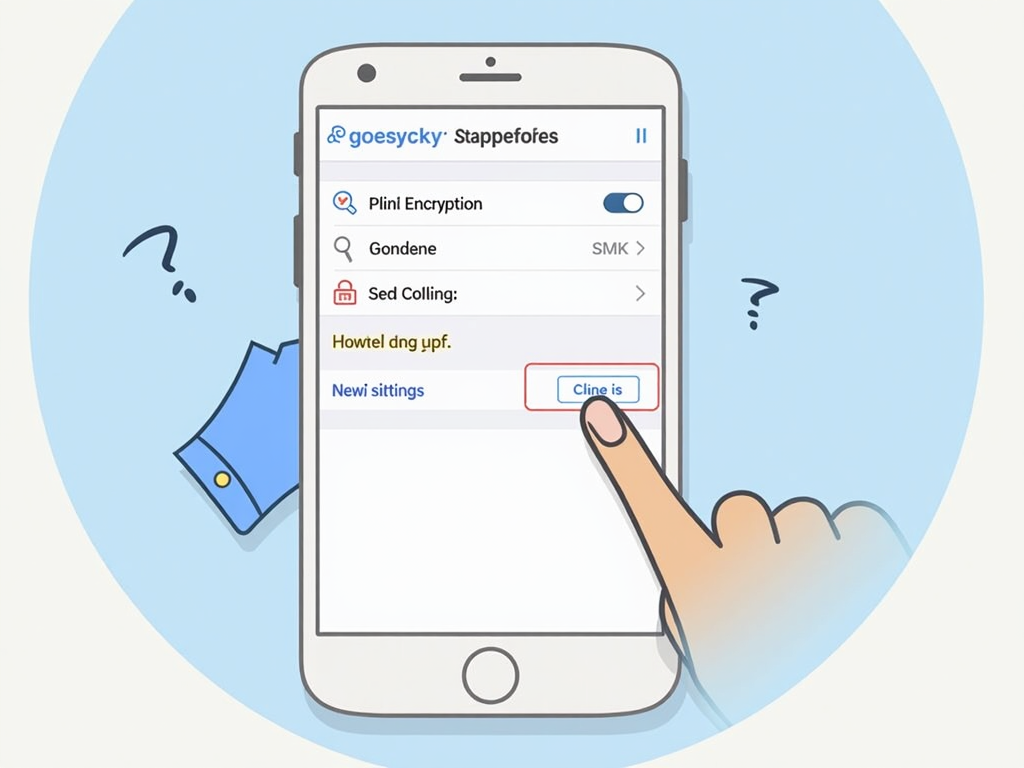
You don’t need to be a tech wizard to use encryption. Here’s how I’ve made it part of my routine:
- Messaging: I use apps like Signal for chats. They encrypt everything end-to-end, so only my friend sees my messages.
- Storage: My Mac has FileVault—it encrypts my whole drive. Windows has BitLocker for the same trick.
- Browsing: A VPN encrypts my internet traffic. I use one when I’m on public Wi-Fi, like at a coffee shop.
- Emails: Tools like PGP let me lock my emails so only the recipient can read them.
Start small—try encrypting your phone backups. It’s a quick win that makes a big difference.
Challenges and Limitations of Encryption
Encryption isn’t perfect. Managing keys is a hassle—lose one, and your data’s locked forever. Share it wrong, and it’s game over. It can also slow things down. I’ve noticed my old laptop lags when I encrypt big files.
Hackers aren’t helpless either. The National Institute of Standards and Technology warns that future quantum computers could crack today’s encryption. Plus, some countries limit how strong your encryption can be, which is a headache if you travel.
Still, these issues don’t stop me from using it. They just remind me to stay smart about how I protect my stuff.
Summary
Encryption is your key to staying safe online. It turns your data into a puzzle only you can solve, keeping hackers at bay. This guide walked you through what it is, how it works, and how to use it every day. With cyber threats growing, encryption isn’t just smart—it’s essential. Take a step today to lock down your digital life.