Top Online Privacy Tools for 2023: Safeguard Your Digital Life
Overview
In 2023, keeping your personal information safe online is more important than ever. With data breaches and trackers lurking around every digital corner, using the right tools can make all the difference. This article dives into the top online privacy tools for 2023 - https://example.com/privacy-tools, offering practical ways to protect your data and stay secure.
Why Online Privacy Matters
Every time you browse the web, shop online, or chat with friends, you leave a digital footprint. Companies, advertisers, and even hackers can track your activities, collect your data, and use it in ways you might not expect. I’ve seen how a single data leak can lead to spam emails, identity theft, or worse. That’s why choosing the right online privacy tools is critical to staying safe.
The good news? You don’t need to be a tech expert to protect yourself. With the right tools, you can browse securely, communicate privately, and keep your personal information out of the wrong hands.

How to Protect Your Data When Using Online Tools
Protecting your data starts with understanding how it’s collected and shared. Here are some practical steps I’ve used to stay secure:
- Use a VPN: A Virtual Private Network hides your IP address and encrypts your connection. I’ve relied on NordVPN for its fast speeds and no-logs policy, which means they don’t store your browsing history.
- Choose Private Browsers: Browsers like Brave and Firefox Focus block trackers and ads automatically. They’re simple to use and don’t slow down your device.
- Secure Your Passwords: Password managers like Bitwarden generate strong passwords and store them safely. I’ve been using one for years, and it’s a game-changer for managing logins.
- Enable Two-Factor Authentication (2FA): Adding 2FA, like using an app like Authy, adds an extra layer of security to your accounts.
- Use Encrypted Messaging: Apps like Signal ensure your conversations stay private with end-to-end encryption.
These steps aren’t just theory—they’ve worked for me. For example, after switching to a privacy-focused browser, I noticed fewer targeted ads following me around the web.
Top Online Privacy Tools for 2023
Here’s a breakdown of the top online privacy tools for 2023 - https://example.com/privacy-tools that I’ve tested and recommend. Each one is user-friendly and effective for keeping your data safe.
| Tool | Category | Key Feature | Free Tier? |
|---|---|---|---|
| NordVPN | VPN | AES-256 encryption, no-logs policy | No |
| ProtonMail | End-to-end encryption | Yes | |
| Bitwarden | Password Manager | Open-source, unlimited passwords | Yes |
| Signal | Messaging | End-to-end encryption | Yes |
| Brave | Browser | Blocks trackers and ads | Yes |
NordVPN
NordVPN is my go-to for secure browsing. It’s fast, has servers in over 60 countries, and uses military-grade encryption. I’ve used it to stream geo-blocked content securely without slowdowns. It’s not free, but the peace of mind is worth the cost.
ProtonMail
For private email, ProtonMail is unbeatable. Based in Switzerland, it offers end-to-end encryption, meaning even ProtonMail can’t read your messages. I switched to ProtonMail for sensitive communications, and the free plan is generous for basic use.
Bitwarden
Bitwarden is a free, open-source password manager that syncs across all your devices. I love how it generates complex passwords and autofills them securely. It’s saved me from reusing weak passwords, which is a common mistake.
Signal
Signal is my top pick for private messaging. Its encryption is so strong that even governments trust it. I use it for group chats with friends, and the disappearing messages feature is great for sensitive talks.
Brave
Brave is a privacy-focused browser that blocks trackers and ads by default. It’s fast, and I’ve noticed pages load quicker without all the extra clutter. Plus, it has a built-in Tor mode for extra anonymity.

Firefox Focus vs DuckDuckGo: Which Mobile Browser Is More Private?
When it comes to mobile browsing, Firefox Focus vs DuckDuckGo: which mobile browser is more private? is a question I get asked a lot. Both are excellent for online privacy, but they cater to slightly different needs. Here’s how they stack up based on my experience:
Firefox Focus
- Key Feature: Automatically blocks trackers and ads, and clears your browsing data with one tap.
- Pros: Lightweight, fast, and perfect for quick, private searches. I use it when I want to browse without leaving a trace on my phone.
- Cons: Lacks features like bookmarks or multiple tabs, so it’s not ideal for heavy browsing.
DuckDuckGo
- Key Feature: Private search engine with a mobile browser that blocks trackers and enforces HTTPS.
- Pros: Offers a full browsing experience with a clean interface. I love the ‘Fire Button’ that wipes your session instantly.
- Cons: Slightly slower than Firefox Focus for basic searches due to its broader feature set.
Verdict: If you want a minimalist browser for quick, private searches, go with Firefox Focus. For a more versatile experience with private search built-in, DuckDuckGo is better. I switch between them depending on the task—Focus for one-off searches, DuckDuckGo for longer sessions.
Additional Tools to Consider
Beyond the core tools, here are a few more I’ve found helpful:
- uBlock Origin: A free ad and tracker blocker that works on most browsers. It’s lightweight and stops annoying pop-ups in their tracks.
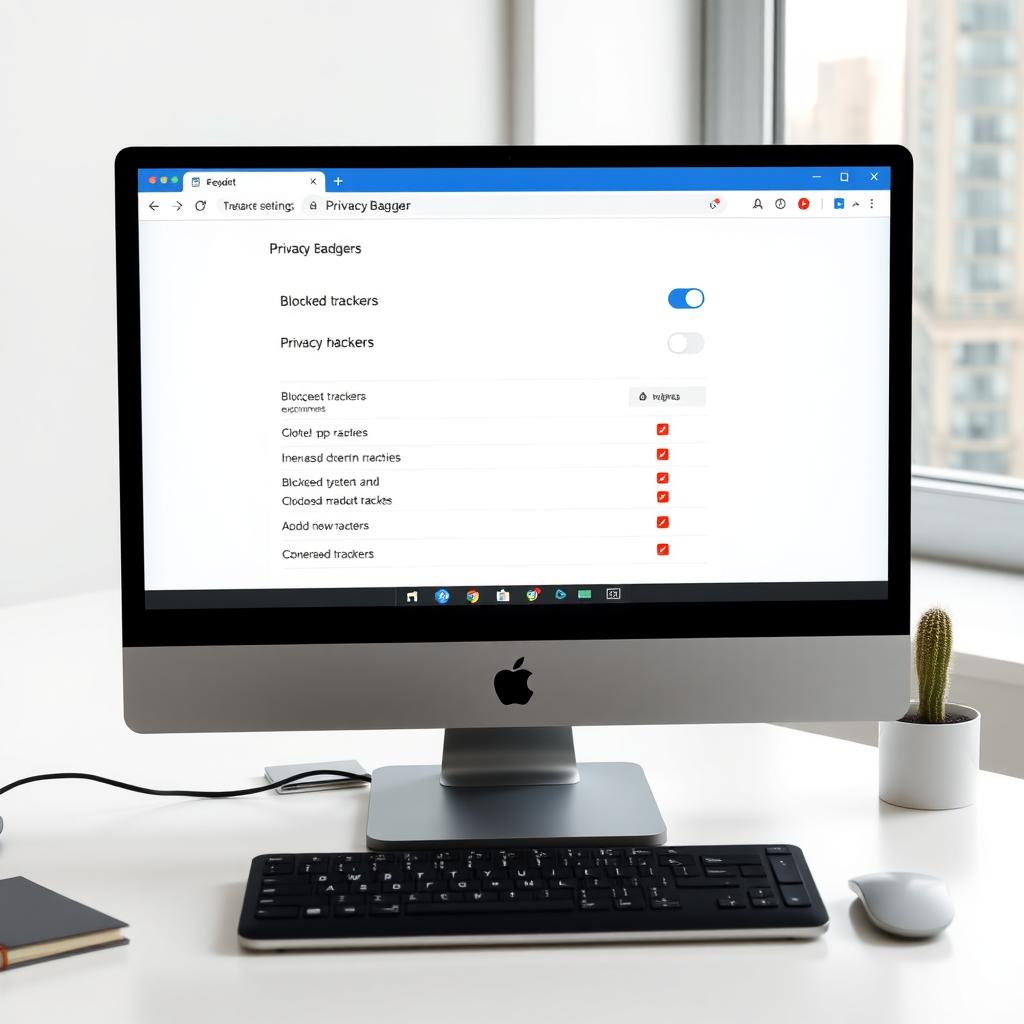
- Privacy Badger: This browser extension learns to block trackers that violate privacy. I’ve used it alongside Brave for extra protection.
- Tor Browser: For maximum anonymity, Tor routes your traffic through multiple servers. It’s slower, but I’ve used it for sensitive research without worry.
These tools complement the main ones and are easy to set up. For example, adding uBlock Origin to Firefox took me less than a minute, and it’s been blocking trackers ever since.
Tips for Staying Safe Online
Using these tools is a great start, but habits matter too. Here’s what I do to stay secure:
- Check Privacy Settings: Regularly review app and website privacy settings. I found Google was collecting more data than I realized until I turned off certain options.
- Avoid Public Wi-Fi: Without a VPN, public Wi-Fi is a hacker’s playground. I always connect through NordVPN in coffee shops or airports.
- Update Software: Keeping your apps and devices updated closes security gaps. I set my phone to auto-update to avoid missing patches.
These small changes, combined with the right tools, make a big difference. I’ve avoided phishing scams and spam by being proactive, and you can too.
Summary
Protecting your data in 2023 doesn’t have to be complicated. With the top online privacy tools for 2023 - https://example.com/privacy-tools, like NordVPN, ProtonMail, Bitwarden, Signal, and Brave, you can take control of your digital life. Whether you’re choosing between Firefox Focus and DuckDuckGo or adding tools like uBlock Origin, these solutions are user-friendly and effective. Start with one or two, and build from there to stay safe online.