Understanding VPNs: What They Are and How They Work
VPNs, or Virtual Private Networks, are tools that help protect your online privacy and security. They work by creating a secure, encrypted connection between your device and the internet, making it difficult for others to track your online activities. In this article, we'll explore what VPNs are, how they work, and why they're important for anyone who values their online privacy.
Let's start with the basics. A VPN is a service that allows you to connect to the internet through a secure, encrypted tunnel. This tunnel protects your data from being intercepted by hackers, governments, or even your internet service provider. When you use a VPN, your internet traffic is routed through a remote server, which masks your IP address and makes it appear as though you're browsing from a different location.
One of the main benefits of using a VPN is that it helps protect your online privacy. By encrypting your internet traffic, a VPN makes it difficult for anyone to spy on your online activities. This is especially important if you're using public Wi-Fi networks, which are often unsecured and vulnerable to attacks.
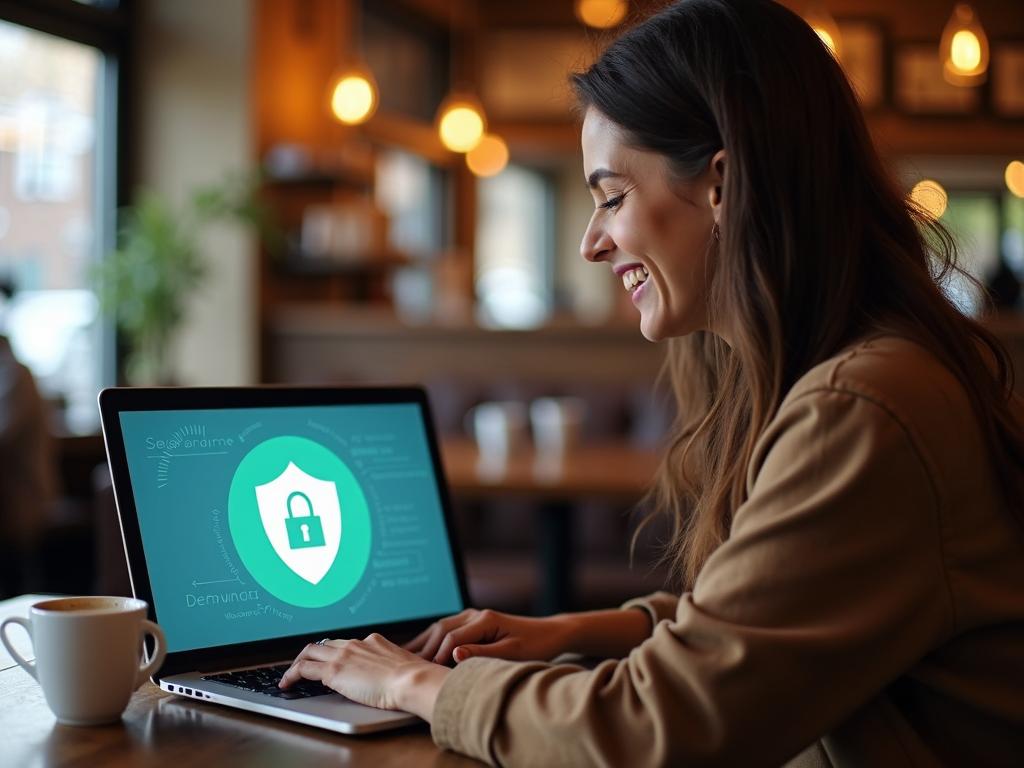
But VPNs aren't just for privacy. They can also help you bypass geo-restrictions and access content that might be blocked in your region. For example, if you're traveling abroad and want to watch your favorite TV show, a VPN can make it appear as though you're browsing from your home country, allowing you to access the content you want.
Another important aspect of VPNs is their ability to protect your data. When you use a VPN, your internet traffic is encrypted, which means that even if someone manages to intercept it, they won't be able to read it. This is especially important for sensitive information like passwords, credit card numbers, and personal messages.
Now, let's talk about how VPNs work. When you connect to a VPN, your device establishes a secure connection with a remote server. This server then acts as a middleman between your device and the internet. All of your internet traffic is routed through this server, which encrypts it and sends it to its destination. When the data comes back, it's decrypted by the server and sent to your device.
This process might sound complicated, but it's actually quite simple. Think of it like sending a letter through the mail. Normally, you would write a letter, put it in an envelope, and send it directly to the recipient. But with a VPN, it's like sending the letter to a trusted friend who then forwards it to the recipient. This way, the recipient doesn't know who sent the letter, and the contents are protected.
Of course, not all VPNs are created equal. There are many different VPN services available, each with their own strengths and weaknesses. Some VPNs are better for privacy, while others are better for speed. It's important to do your research and choose a VPN that meets your specific needs.
One thing to look for in a VPN is a no-logs policy. This means that the VPN provider doesn't keep any records of your online activities. This is important because if a VPN provider keeps logs, they could potentially be forced to hand over your data to authorities. A no-logs policy ensures that your privacy is protected.
Another important feature to look for is strong encryption. The best VPNs use military-grade encryption to protect your data. This makes it virtually impossible for anyone to intercept and read your internet traffic.
Speed is also an important consideration. Some VPNs can slow down your internet connection, which can be frustrating if you're trying to stream videos or play online games. Look for a VPN that offers fast speeds and unlimited bandwidth.
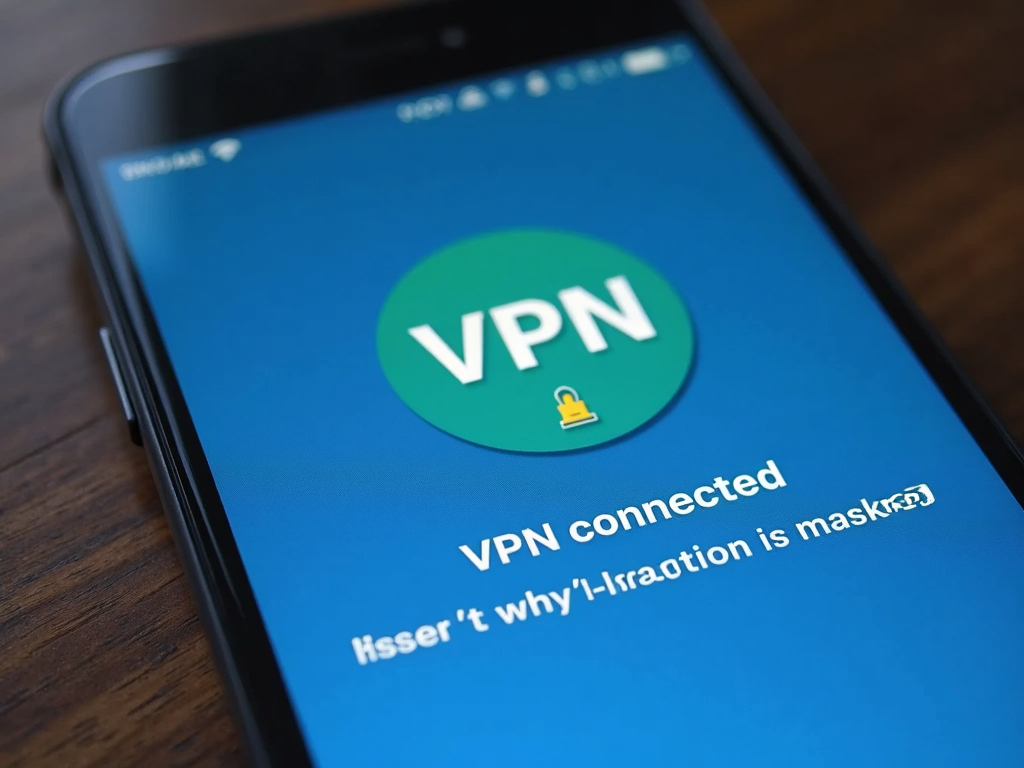
Now, let's talk about mobile privacy. In 2023, mobile devices are more important than ever. We use our smartphones for everything from banking to shopping to socializing. But with this increased reliance on mobile devices comes increased risk. Mobile devices are often more vulnerable to attacks than desktop computers, and they're also more likely to be lost or stolen.
This is where VPNs come in. By using a VPN on your mobile device, you can protect your data and keep your online activities private. This is especially important if you're using public Wi-Fi networks, which are often unsecured and vulnerable to attacks.
But VPNs aren't the only tool you can use to protect your mobile privacy. There are also mobile browsers that are designed with privacy in mind. Two popular options are Firefox Focus and DuckDuckGo.
Firefox Focus is a mobile browser that blocks trackers and ads by default. It also includes a feature that allows you to erase your browsing history with a single tap. This makes it a great choice for anyone who values their online privacy.
DuckDuckGo is another mobile browser that prioritizes privacy. It blocks trackers and ads, and it also includes a feature that allows you to search the web without being tracked. Additionally, DuckDuckGo doesn't store any of your search history, which means that your searches are completely private.
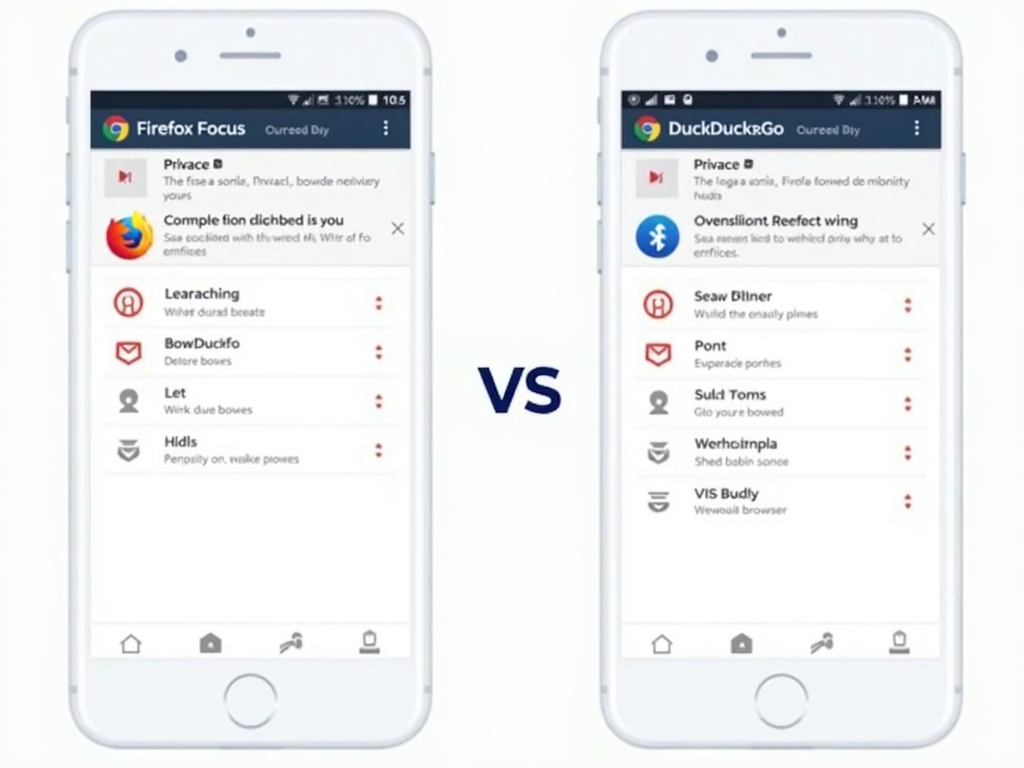
So, which one is better? It really depends on your specific needs. If you're looking for a browser that's easy to use and offers strong privacy protections, Firefox Focus is a great choice. But if you're looking for a browser that also includes a private search engine, DuckDuckGo might be a better option.
Of course, VPNs and private browsers are just two of the many online privacy tools available. There are also tools like password managers, which can help you create and store strong, unique passwords for all of your online accounts. And there are tools like encrypted messaging apps, which can help you communicate securely with others.
But no matter which tools you use, the most important thing is to be aware of the risks and take steps to protect yourself. Online privacy is more important than ever, and it's up to each of us to take responsibility for our own security.
In conclusion, VPNs are a powerful tool for protecting your online privacy and security. They work by creating a secure, encrypted connection between your device and the internet, making it difficult for others to track your online activities. Whether you're using a desktop computer or a mobile device, a VPN can help keep your data safe and your online activities private.