Why Public Wi-Fi Needs a VPN
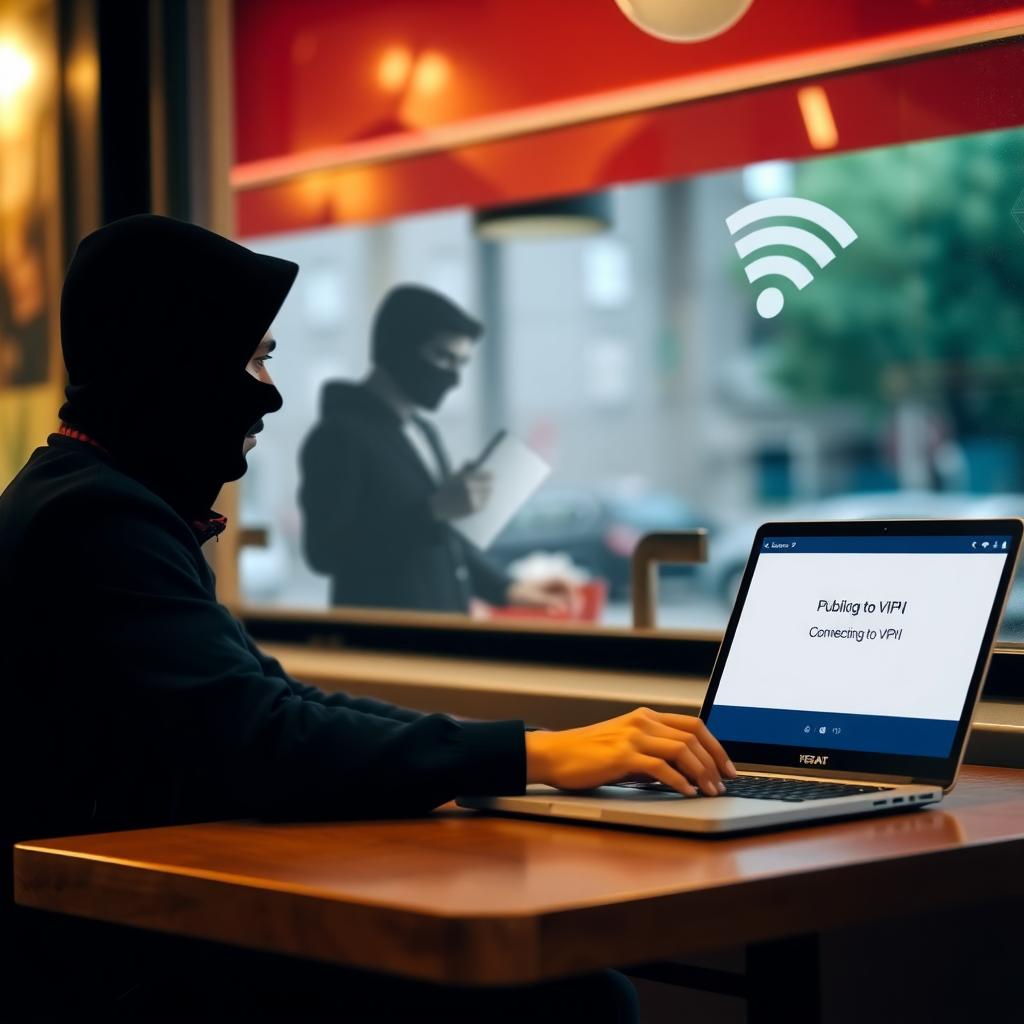
Public Wi-Fi is a lifesaver when you're on the go, but it’s also a hotspot for hackers. Without protection, your personal data—like passwords and credit card details—can be stolen. A VPN encrypts your connection, keeping you safe. Here’s why you need one and how to stay secure.


Understanding VPNs and Their Role in Online Security
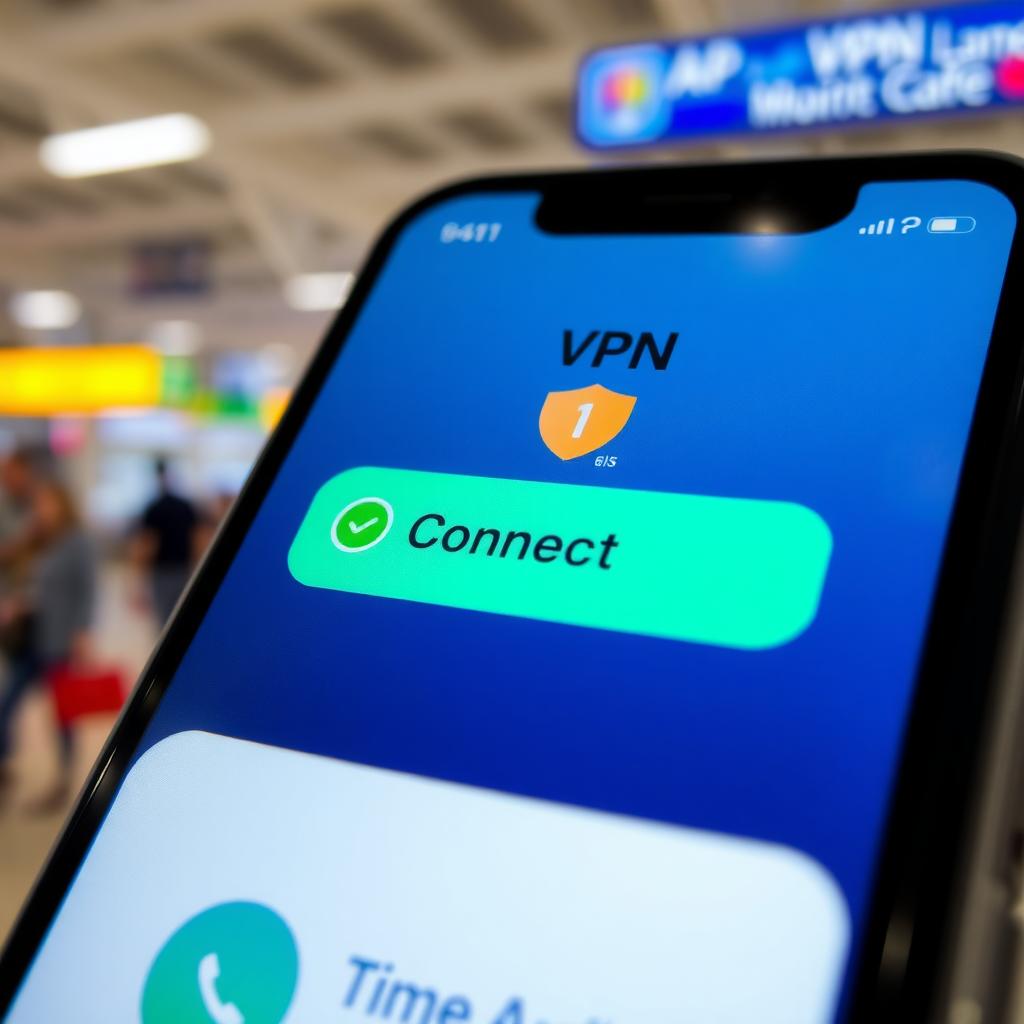
A VPN, or Virtual Private Network, is like a secret tunnel for your internet traffic. When you connect to a VPN, your data is encrypted before it leaves your device. This means even if someone intercepts your connection, they can't read your information. VPNs are especially important on public Wi-Fi networks, where hackers can easily snoop on your activity.
Here's how a VPN works:
- Encryption: Your data is scrambled into unreadable code.
- Tunneling: Your encrypted data is sent through a secure tunnel to a VPN server.
- Decryption: The VPN server decrypts your data and sends it to its destination.
This process keeps your information safe from hackers, ISPs, and even government surveillance. But not all VPNs are created equal. Some free VPNs may log your data or sell it to third parties. That's why it's crucial to choose a reputable VPN provider. Look for one with a strict no-logs policy and strong encryption standards.
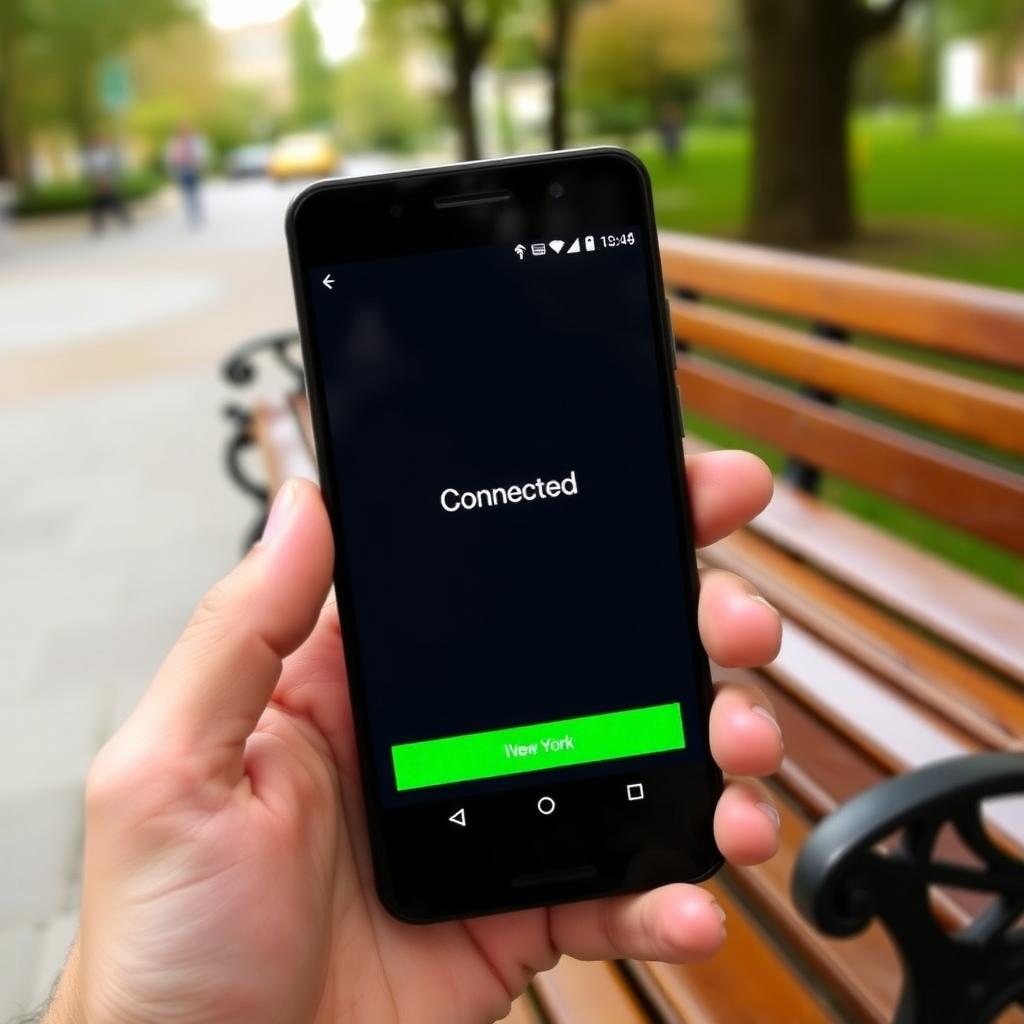
For example, IVPN is a trusted VPN provider known for its commitment to privacy. It offers features like multi-hop connections and a built-in firewall to block unwanted traffic. Configuring IVPN on Android is straightforward and ensures your mobile device is protected on public Wi-Fi.
Top Online Privacy Tools for Android Users
Android users have a variety of privacy tools at their disposal. Besides a VPN and password manager, consider these additional tools:
- Secure Browser: Use a browser like Brave or Firefox Focus, which block trackers and ads.
- Encrypted Messaging: Apps like Signal or Telegram offer end-to-end encryption for your messages.
- App Permissions Manager: Tools like Bouncer help you control app permissions and limit data access.
These tools work together to create a layered defense against online threats. For example, using a secure browser with a VPN ensures your browsing activity is private and encrypted.
Summary
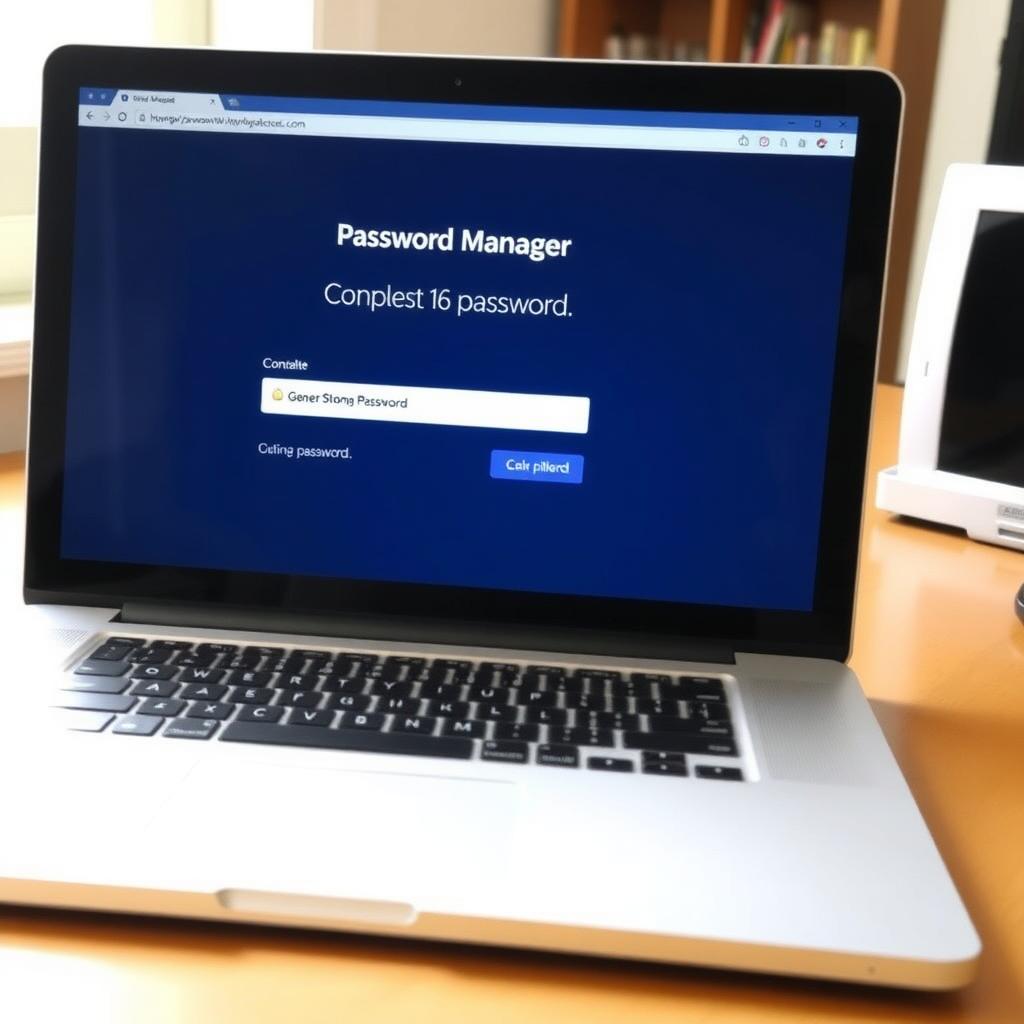
Public Wi-Fi is convenient but risky. A VPN is essential for protecting your data on these networks. It encrypts your connection, keeping your information safe from hackers. But don't stop there—use a password manager to secure your accounts and additional privacy tools for Android to create a comprehensive defense. By following these steps, you can enjoy the benefits of public Wi-Fi without compromising your privacy.
In conclusion, public Wi-Fi is a double-edged sword. It's convenient, but it comes with significant risks. A VPN is your best defense, encrypting your data and keeping it safe from prying eyes. Pair it with a password manager and other privacy tools for Android, and you'll be well-equipped to navigate the digital world securely. Remember, online security is not a one-time task but an ongoing process. Stay vigilant, and your data will stay safe.