How to Protect Your Data from Hackers
In today's digital world, protecting your data from hackers is more important than ever. This article will guide you through understanding the threats, using practical tools, and taking steps to secure your personal information.

Understanding the Threat: Hackers and Data Brokers
Hackers are individuals or groups who use their technical skills to gain unauthorized access to computer systems or networks. They might do this for various reasons, such as stealing personal information, financial gain, or even just for the challenge.
Data brokers, on the other hand, are companies that collect and sell personal information. They gather data from various sources, including public records, social media, and online activities, and then sell this information to third parties, such as marketers or even other hackers.
It's crucial to understand these threats to know how to protect yourself.
Protecting Your Data: Practical Steps
Here are some practical steps you can take to protect your data:
-
Use Strong, Unique Passwords
Avoid using easily guessable passwords like "password123" or your birthday. Use a mix of letters, numbers, and special characters, and make sure each account has a different password. I learned this the hard way when I used the same password for multiple accounts and got hacked. -
Enable Two-Factor Authentication (2FA)
2FA adds an extra layer of security by requiring a second form of verification, like a code sent to your phone. It's a simple step that can make a big difference. -
Be Cautious with Public Wi-Fi
Public Wi-Fi networks are often unsecured, making it easier for hackers to intercept your data. Always use a VPN when connecting to public Wi-Fi. -
Keep Software and Devices Updated
Regular updates often include security patches that fix vulnerabilities. Set your devices to update automatically if possible. -
Limit Sharing Personal Information Online
Be mindful of what you share on social media and other platforms. The less information you put out there, the harder it is for hackers to target you.
According to the Cybersecurity and Infrastructure Security Agency (CISA), using strong passwords is one of the most effective ways to protect your data [Link to CISA's cybersecurity best practices].
Top Online Privacy Tools You Should Be Using
Several tools can help enhance your online privacy:
-
VPNs (Virtual Private Networks)
VPNs encrypt your internet connection, making it harder for hackers to intercept your data. I use a VPN whenever I'm on public Wi-Fi, and it gives me peace of mind. -
Password Managers
These tools help you create and store strong, unique passwords for each account. After my hacking incident, I started using a password manager, and it has been a game-changer. -
Privacy-Focused Browsers
Browsers like Brave or Firefox Focus block trackers and ads, enhancing your privacy. I've switched to Brave for most of my browsing, and I've noticed fewer ads and faster load times.
For a detailed comparison of VPNs, check out this expert review [Link to recognized expert's blog post on VPNs].
Shrinking Your Digital Footprint
Your digital footprint is the trail of data you leave behind online. To shrink it:
-
Delete Unused Accounts
Old accounts can still hold personal information. I recently deleted my MySpace account, which I hadn't used in years. -
Adjust Privacy Settings on Social Media
Make sure your profiles are set to private and limit what information is visible to the public. -
Be Cautious About What You Share
Think twice before posting personal details. Once something is online, it's hard to completely remove it.
Using Incogni to Delete Personal Data
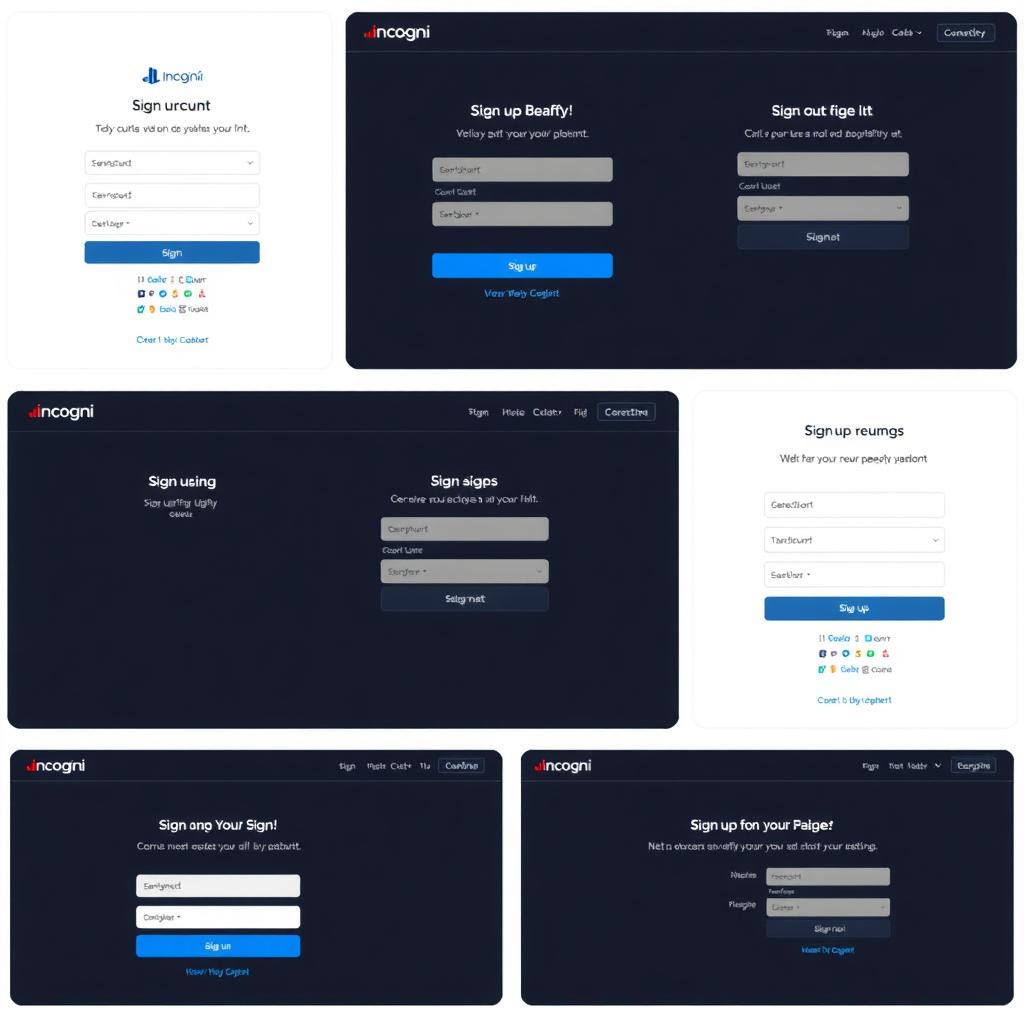
Incogni is a service that helps you remove your personal data from data brokers. Here's how to set it up:
- Visit the Incogni website.
- Sign up for an account.
- Provide the necessary information.
- Let Incogni handle the rest.
This tool can drastically reduce the amount of your data available online, helping to protect your privacy.
Summary and Recommended Readings
Protecting your data from hackers involves understanding the threats, using practical tools, and being mindful of your online activities. By following the steps outlined in this article, you can significantly enhance your online privacy and security.
Recommended Readings:
- "The Importance of Strong Passwords"
- "How to Choose a Reliable VPN"
- "Understanding Your Digital Footprint"
- "How to Set Up Incogni to Delete Personal Data"