The Ultimate Guide to Online Privacy: Tools and Tips
In today’s digital world, online privacy is a must. This guide dives into the best tools and tips to keep your data safe, including a close look at Proton VPN vs Express VPN: which is more secure? Let’s get started.
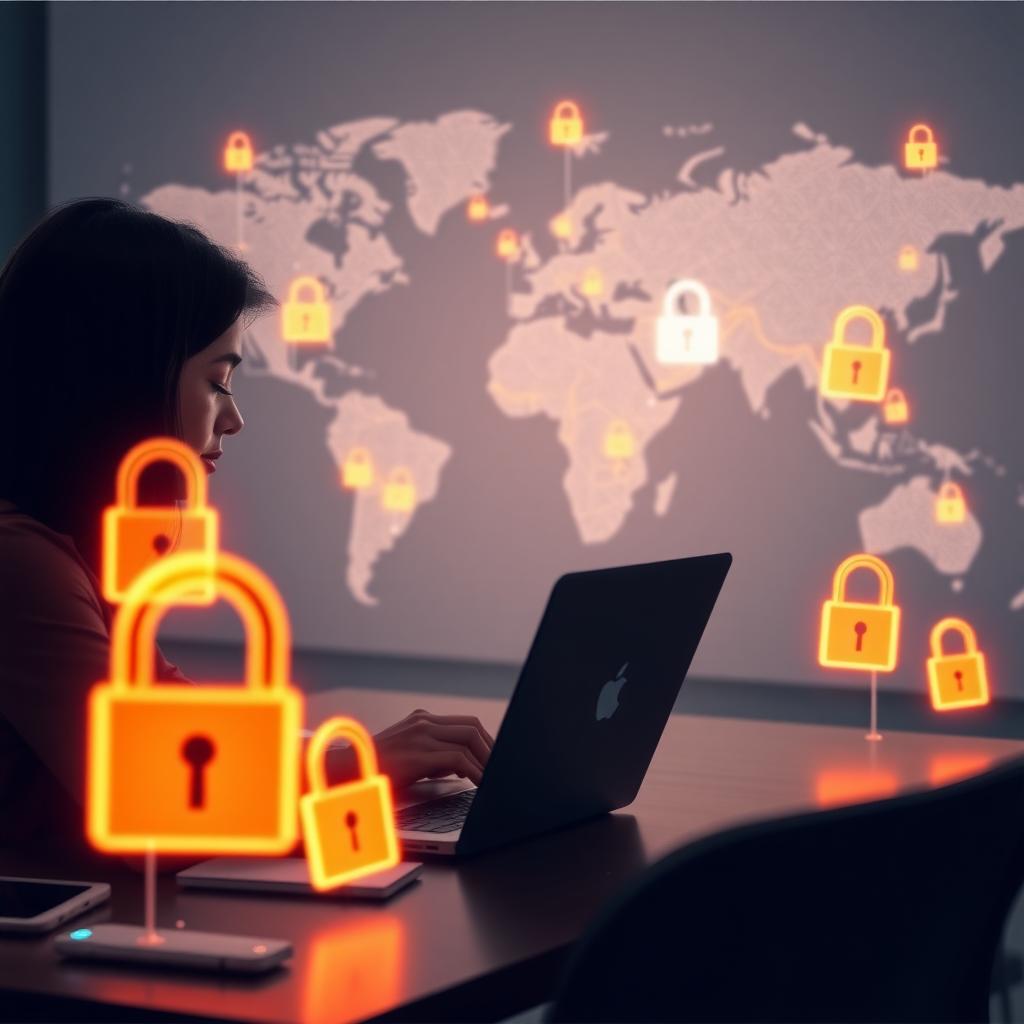
Online privacy refers to the protection of your personal information while using the internet. This includes everything from your browsing habits and search history to sensitive data like passwords and financial details. With increasing cyber threats and data breaches, safeguarding your online privacy is crucial to prevent identity theft, fraud, and unauthorized surveillance.
Why it matters: Your personal data is valuable. Hackers can use it for malicious purposes, while companies might exploit it for targeted advertising or sell it to third parties. By taking control of your online privacy, you can reduce these risks and maintain your digital freedom.
To protect your online privacy, you need the right tools. Here are some of the most effective ones:
1. Virtual Private Networks (VPNs)
A VPN encrypts your internet connection, hiding your IP address and making your online activities harder to track. It’s especially useful when using public Wi-Fi or accessing geo-restricted content.
2. Secure Browsers
Browsers like Tor or Brave prioritize privacy by blocking trackers and ads. They also offer features like private browsing modes and encrypted connections.
3. Password Managers
Password managers generate and store strong, unique passwords for each of your accounts, reducing the risk of password-related breaches.
4. Encrypted Messaging Apps
Apps like Signal or Telegram use end-to-end encryption to ensure that only you and the recipient can read your messages.
5. Two-Factor Authentication (2FA)
2FA adds an extra layer of security by requiring a second form of verification, such as a code sent to your phone, in addition to your password.
Image Description: A sleek digital dashboard with icons for a VPN, secure browser, password manager, and messaging app. Each has a green checkmark, showing they’re working to keep you safe. It’s like a control center for privacy. Alt Text: Digital dashboard showing active online privacy tools like VPN and password manager.
When it comes to VPNs, security is a top priority. Let’s compare two popular options: Proton VPN and Express VPN.
| Feature | Proton VPN | Express VPN |
|---|---|---|
| Encryption | AES-256 | AES-256 |
| Protocols | OpenVPN, IKEv2, WireGuard | OpenVPN, IKEv2, Lightway |
| No-Logs Policy | Strict no-logs policy | Strict no-logs policy |
| Jurisdiction | Switzerland (privacy-friendly) | British Virgin Islands (privacy-friendly) |
| Kill Switch | Yes | Yes |
| Leak Protection | DNS and IPv6 leak protection | DNS and WebRTC leak protection |
| Additional Features | Secure Core (multi-hop), Tor over VPN | TrustedServer technology, split tunneling |
Personal Insight: Both VPNs offer strong security features, but Proton VPN’s Secure Core and Tor over VPN provide an extra layer of protection for users who need maximum privacy. Express VPN’s TrustedServer technology ensures that no data is ever written to a hard drive, which is a unique security advantage.
Which is more secure? While both are highly secure, Proton VPN’s additional features like Secure Core make it slightly more robust for users with extreme privacy needs. However, Express VPN’s TrustedServer technology is a strong contender for those concerned about data retention.
In addition to using the right tools, adopting good habits is key to maintaining your online privacy. Here are some actionable tips:
1. Use Strong, Unique Passwords
Avoid reusing passwords across different sites. Use a password manager to generate and store complex passwords.
2. Enable Two-Factor Authentication
Whenever possible, enable 2FA on your accounts. This adds an extra layer of security, even if your password is compromised.
3. Be Cautious with Public Wi-Fi
Public Wi-Fi networks are often unsecured. Always use a VPN when connecting to public networks to encrypt your data.
4. Limit Social Media Sharing
Be mindful of what you share on social media. Oversharing can expose personal information that could be used against you.
5. Regularly Update Your Software
Keep your operating system, apps, and antivirus software up to date to protect against the latest threats.
Image Description: Two shields side by side—one says “Proton VPN,” the other “Express VPN.” Each has a big lock in the middle, set against a techy digital backdrop. It’s a showdown of security champs. Alt Text: Shields comparing Proton VPN and Express VPN security features.
For those who want to take their online privacy to the next level, here are some advanced tools and techniques:
1. Tor Browser
The Tor Browser routes your internet traffic through multiple servers, making it extremely difficult to trace your online activities. It’s ideal for users who need maximum anonymity.
2. Encrypted Email Services
Services like ProtonMail offer end-to-end encryption for your emails, ensuring that only you and the recipient can read the messages.
3. Virtual Machines
Using a virtual machine (VM) allows you to create a separate, isolated environment on your computer for sensitive tasks, reducing the risk of malware or tracking.
Image Description: A digital notepad with a checklist: “Use VPN,” “Enable 2FA,” “Update Software.” Each box is checked, and a giant lock glows in the background. It’s a practical snapshot of privacy in action. Alt Text: Checklist of online privacy tips with a secure lock in the background.
Even with the best tools, simple mistakes can compromise your online privacy. Here are some common pitfalls to watch out for:
1. Using Weak Passwords
Avoid using easily guessable passwords like "123456" or "password." Instead, use a combination of letters, numbers, and symbols.
2. Ignoring Software Updates
Failing to update your software can leave you vulnerable to known security flaws. Always install updates promptly.
3. Clicking on Suspicious Links
Phishing emails often contain malicious links. Be cautious and verify the source before clicking on any link.
4. Oversharing on Social Media
Posting too much personal information can make you a target for identity theft or stalking. Keep your profiles private and limit what you share.
Image Description: A red warning sign with an exclamation mark, circled by icons like a weak password and a phishing hook. A digital world hums in the back, tying it to online risks. It’s a wake-up call. Alt Text: Warning sign with icons of common online privacy mistakes.
Protecting your online privacy is essential in today’s interconnected world. By using tools like VPNs, secure browsers, and password managers, and following best practices such as enabling 2FA and being cautious with public Wi-Fi, you can significantly reduce your risk of data breaches and cyber threats. For those seeking extra security, advanced tools like the Tor Browser and encrypted email services offer additional layers of protection.
This article provides a comprehensive guide to online privacy, focusing on practical tools and tips while incorporating a detailed comparison of Proton VPN and Express VPN. By following these recommendations, you can take control of your digital privacy and protect your personal information from prying eyes.
Recommended Readings
- Understanding VPNs: How They Work and Why You Need One
- The Importance of Two-Factor Authentication
- Social Media Privacy: Best Practices