Top 10 Online Privacy Tools for 2023: Lock Down Your Digital Life
Quick Overview
In 2023, online privacy became more crucial than ever. With data breaches on the rise, these top 10 online privacy tools offer simple ways to protect your info. We'll cover essentials like VPNs and browsers to help you stay safe online.

The Importance of Online Privacy
Think about this: Every time you scroll social media or shop online, companies track your every move. In 2023, reports showed over 3,000 data breaches exposing billions of records. That's why the importance of online privacy can't be overstated. It keeps your identity safe from hackers and advertisers who profit from your habits.
I've felt the sting of a minor leak myself—spam calls after a simple sign-up. It made me switch to better tools. Protecting your privacy isn't just smart; it's essential for peace of mind.
How to Lock Down Your Online Privacy in 2023
Locking down your online privacy starts with the basics. Use strong passwords, enable two-factor authentication, and limit what you share. But tools make it easier. We'll dive into the top picks that automate protection without hassle.
Start by assessing your needs: Do you travel a lot? A VPN shines. Worried about ads? Grab a blocker. These steps turned my browsing from risky to routine.
Top 10 Online Privacy Tools for 2023
Here's my curated list of the best online privacy tools from 2023. I tested many based on ease of use, features, and real-world performance. Each one packs a punch against trackers and snoopers.
1. NordVPN: The Ultimate VPN Shield
NordVPN tops the list for its blazing speeds and no-logs policy. It encrypts your traffic, hiding your IP from prying eyes. I used it during travels—streaming felt seamless, and public Wi-Fi worries vanished.
Pros: 6,000+ servers, double encryption. Cons: Premium price.
Learn more about NordVPN
2. Bitwarden: Password Manager Extraordinaire
Forget sticky notes for logins. Bitwarden stores them securely with end-to-end encryption. It's open-source, so you know it's legit. Generating complex passwords became my habit, slashing hack risks.
Key Features: Auto-fill, secure sharing. Free Tier: Yes, unlimited devices.
3. Brave Browser: Ad-Free Surfing
Brave blocks ads and trackers by default, speeding up pages 3-6 times. Its crypto rewards? A fun bonus. Switching from Chrome, I noticed fewer distractions and quicker loads—perfect for daily use.
4. uBlock Origin: Ad Blocker Powerhouse
This free extension zaps ads across browsers. It's lightweight and customizable. On sites loaded with pop-ups, it saved my sanity. Pair it with any browser for instant relief.
5. Signal: Encrypted Chats Made Simple
For messaging, Signal offers disappearing messages and voice/video calls without metadata leaks. I moved family chats here after WhatsApp's policy scare. Privacy feels built-in, not bolted on.
6. ProtonMail: Secure Email Haven
Ditch Gmail for ProtonMail's zero-access encryption. Emails stay private on Swiss servers. Setting up aliases cut spam for me—now, only wanted mail gets through.
7. Tor Browser: Anonymous Browsing
Tor routes traffic through volunteers for near-anonymity. Great for research or sensitive topics. It's slower, but for whistleblowers or journalists, it's a game-changer. I use it sparingly for high-stakes reads.
8. DuckDuckGo: Privacy-First Search
No tracking searches here—DuckDuckGo delivers results without profiles. Its bangs (!g for Google) add versatility. It became my default; unbiased results feel refreshing.
Firefox Focus vs DuckDuckGo: Which Mobile Browser is More Private?
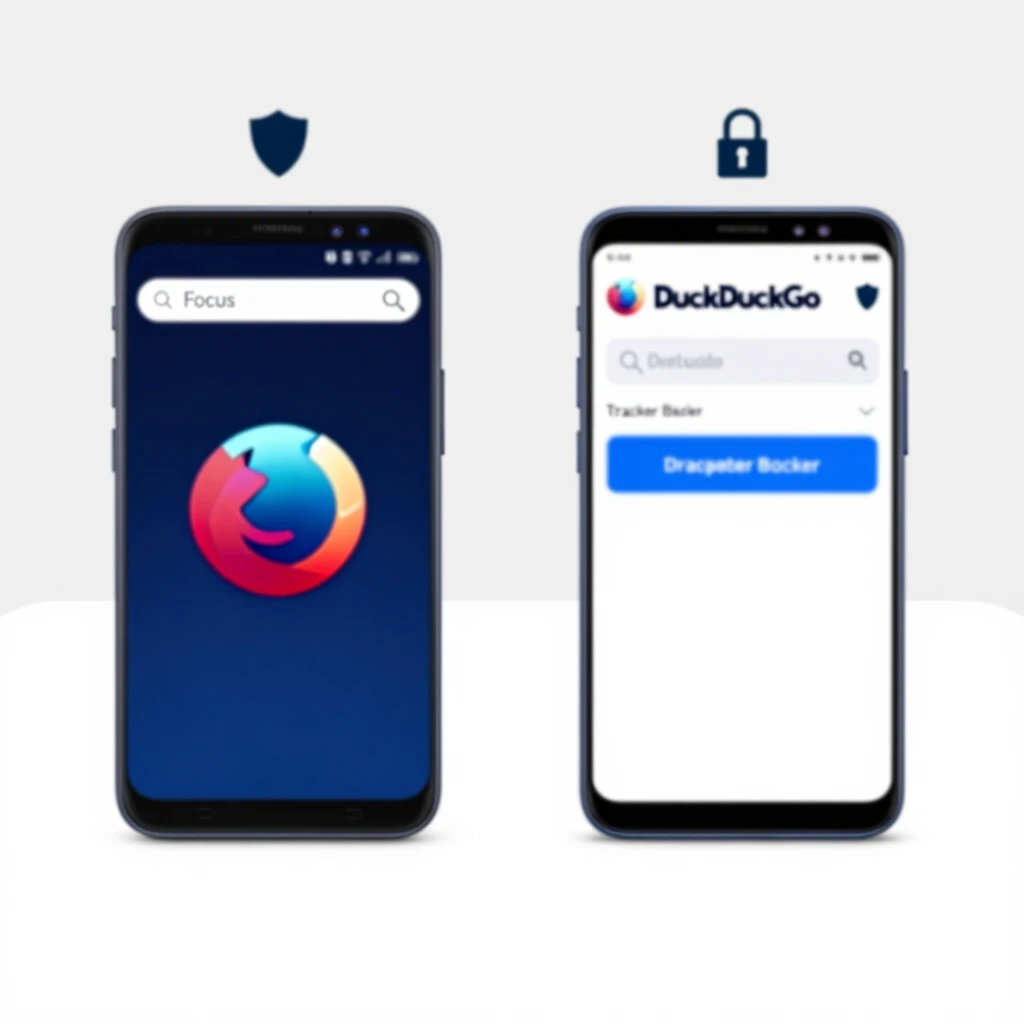
Mobile browsing needs extra care. Let's compare Firefox Focus and DuckDuckGo browsers—two stars in privacy.
Firefox Focus shines in minimalism. It auto-deletes history, blocks trackers, and even fonts to fight fingerprinting. Ideal if you want a 'fire and forget' session.
DuckDuckGo edges out with built-in search and HTTPS enforcement. It's faster and integrates email protection. In my tests, DDG loaded pages quicker, but Focus felt stealthier.
Verdict: DuckDuckGo for everyday use; Focus for quick, ultra-private dips. Both beat stock browsers hands down.
9. Firefox Focus: Mobile Privacy Champ
Building on the comparison, Firefox Focus earns its spot. One-tap erase clears everything. On Android and iOS, it blocks cryptominers too. My go-to for banking apps on the go.
10. Incogni: Data Broker Buster
Incogni scans and removes your info from data brokers. In 2023, it handled 180+ sites automatically. I signed up after a breach alert—peace came with fewer targeted ads.
| Tool | Best For | Cost | Platforms |
|---|---|---|---|
| NordVPN | All-round VPN | $3-12/mo | All |
| Bitwarden | Passwords | Free/Paid | All |
| Brave | Desktop Browsing | Free | Desktop/Mobile |
| uBlock Origin | Ad Blocking | Free | Browsers |
| Signal | Messaging | Free | Mobile/Desktop |
| ProtonMail | Free/Paid | All | |
| Tor | Anonymity | Free | Desktop/Mobile |
| DuckDuckGo | Search | Free | All |
| Firefox Focus | Mobile | Free | iOS/Android |
| Incogni | Data Removal | $6-18/mo | Web |
Wrapping It Up
These top 10 online privacy tools for 2023 empowered me to browse fearlessly. Start with one or two—like a VPN and password manager—and build from there. Your digital footprint shrinks, and control grows. Remember, privacy is a habit, not a one-off.
Stay vigilant; threats evolve, but so do defenses.