Tuta Mail: How to Encrypt Your Emails
Overview
In today's digital world, keeping your emails private matters more than ever. Tuta Mail: How to Encrypt Your Emails - https://tuta.com/blog/email-encryption-guide-how-send-encrypted-email offers a simple way to add end-to-end encryption without hassle. This article walks you through the process, shares real tips, and explains why it's a game-changer for online privacy.
The Rise of Secure Communication Tools
People worry about data breaches and snooping eyes online. That's why tools like Tuta Mail are gaining fans fast. Just a few years ago, most folks sent emails without a second thought. Now, with news of hacks everywhere, secure options shine.
I remember my first scare—a friend's account got hit, and sensitive info leaked. It pushed me to seek better ways. The rise of secure communication tools reflects this shift. Services promise strong protection without tech headaches. Tuta leads by making encryption default and free.
These tools fit our busy lives. They guard chats, files, and more. As privacy laws tighten, companies step up. But not all deliver. Tuta stands out with its focus on user control. No ads, no tracking—just clean, safe email.
Why Online Privacy Tools Are Essential
Online privacy isn't just buzz. It's about controlling your story. Emails hold personal details—bank info, health notes, family plans. Without guards, anyone could peek.
Think about it: Big tech scans your inbox for ads. Governments demand access. Hackers wait for slips. Online privacy tools like Tuta block these risks. They use encryption to scramble data. Only you and your recipient hold the key.
From my view, switching boosted peace. No more fretting over shared links. These tools empower you. They remind us: Your data, your rules. Start small—pick one habit, like encrypted sends. Soon, it feels normal. And that's the win.
What Makes Tuta Mail Special?
Tuta Mail, once called Tutanota, launched in 2011 from Germany. It prioritizes privacy from day one. Unlike Gmail or Outlook, Tuta encrypts everything end-to-end by default. No setup needed.
Key perks include: - Free basic plan: 1 GB storage, one calendar. - Quantum-safe tech: Guards against future threats. - No tracking: Zero ads or data sales. - Apps for all: Web, phone, desktop.
Users love its speed and ease. Over 10 million trust it worldwide. For businesses, paid plans add teams and more space. It's open-source too, so experts check the code.
In short, Tuta fits anyone wanting secure email without fuss.
Tuta Email: How to Use End-to-End Encryption
Ready to try? Let's break it down. End-to-end encryption means your message stays locked until the receiver opens it. Tuta handles this automatically.
Step 1: Sign Up for Tuta Mail
Head to app.tuta.com/signup. Pick a username like [email protected]. Set a strong password. Boom—you have an encrypted inbox.
It takes two minutes. No credit card asked for free tier.
Step 2: Sending to Another Tuta User
This is the easiest. Invite friends to join—it's free. 1. Log in to your Tuta account. 2. Click 'New email'. 3. Type the recipient's @tuta.com address. 4. Write your note. 5. Hit 'Send'.
Done! Encryption kicks in. Future replies stay protected.
Step 3: Sending to Non-Tuta Users
What about Gmail pals? Use a shared password. 1. Start a new email. 2. Enter their address. 3. Tuta prompts for a password—create one. 4. Share it safely (more on that later). 5. Compose and send.
The receiver gets a link. They enter the password to read and reply securely. Even they get a free Tuta inbox for it.
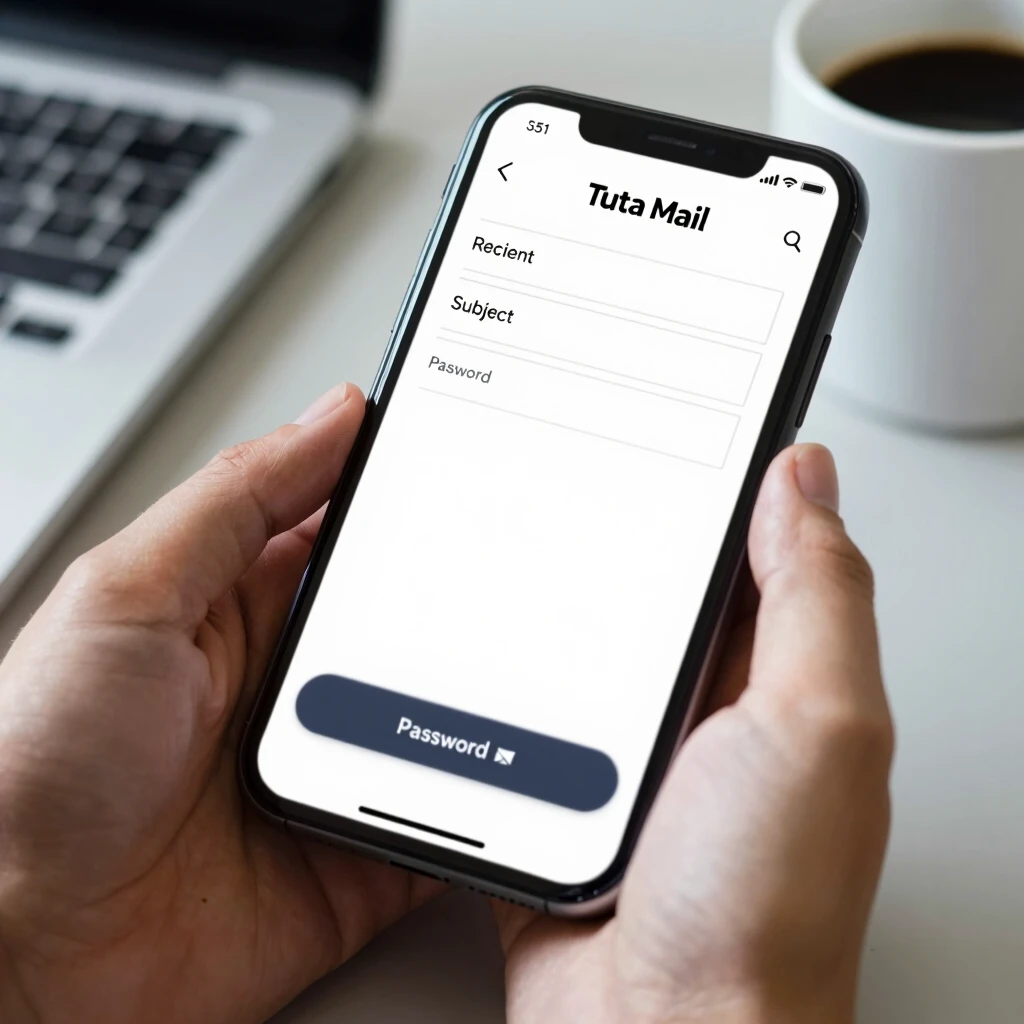
Pro tip: Use Tuta's apps for on-the-go sends. They sync fast across devices.
| Encryption Type | Best For | Setup Needed |
|---|---|---|
| To Tuta User | Seamless chats | None |
| To External | One-off secures | Shared password |
| PGP/S-MIME | Tech pros | Complex keys |
Tuta beats old methods. No key swaps or plugins.
My Hands-On Experience with Tuta
I switched last year after a work leak. At first, I missed Gmail's polish. But Tuta won me over quick.
Sending feels natural. No 'encrypt now?' pop-ups. One thread with my boss? Password shared via call—reply chain locked tight. No leaks since.
Calendar encryption? Gold for shared events. Contacts stay private too. Battery drain? Minimal on my Android.
Downside? Free storage fills fast with attachments. I upgraded for $1/month—worth it. Overall, it rebuilt trust in email. You feel in charge, not watched.
Comparing Tuta to Other Options
Gmail and Outlook lag here. Gmail uses TLS—good for transit, but not end-to-end. Outlook's 'Encrypt' needs paid subs and isn't true E2E; Microsoft sees content.
ProtonMail rivals Tuta, but Tuta's quantum-proof edge shines. Both free, but Tuta's interface feels lighter.
For depth, check EFF's email guide. It backs why defaults matter.
Tuta wins for simplicity. No PhD required.
Tips to Boost Your Online Privacy
Layer up your defenses: - Share passwords smart: Face-to-face or apps like Signal. Avoid texts. - Audit contacts: Invite key folks to Tuta. - Enable 2FA: Tuta supports hardware keys for extra lock. - Scan attachments: Built-in tools flag risks, but double-check. - Go zero-knowledge: Tuta's model means even they can't read your stuff.
Start with one change. Track how it feels. Privacy builds habits.
Wrapping It Up
Tuta Mail turns email woes into wins. With easy end-to-end encryption, it guards your world without sweat. From quick sends to deep protects, it's your privacy ally.
Dive in today. Sign up free and test a secure note. Your future self thanks you. For more, explore these reads below.