Top Privacy-Enhancing Technologies for 2025
In today's digital world, protecting your privacy is more important than ever. With data breaches and online tracking on the rise, it's crucial to use the right tools and techniques to keep your personal information safe. This article explores the top privacy-enhancing technologies for 2025, offering practical advice and insights to help you lock down your online privacy.
Top Privacy-Enhancing Technologies for 2025
As we move into 2025, several cutting-edge technologies are set to revolutionize how we protect our privacy online. These tools not only help safeguard your data but also give you greater control over your digital footprint.
1. Zero-Knowledge Proofs
Zero-knowledge proofs (ZKPs) are a cryptographic method that allows one party to prove to another that they know a value without revealing the value itself. This technology is particularly useful for authentication and verification processes, as it ensures that sensitive information remains private.
For example, when logging into a website, ZKPs can verify your identity without transmitting your password or other personal details. This significantly reduces the risk of data breaches and unauthorized access.
2. Homomorphic Encryption
Homomorphic encryption is another powerful tool for privacy protection. It allows computations to be performed on encrypted data without decrypting it first. This means that even if your data is stored on a third-party server, it remains secure and private.
Imagine being able to analyze large datasets without ever exposing the raw data. Homomorphic encryption makes this possible, offering a new level of security for sensitive information.
3. Decentralized Identity Systems
Decentralized identity systems, often built on blockchain technology, give users control over their own identity data. Instead of relying on centralized authorities like governments or corporations, these systems allow individuals to manage and share their identity information securely.
With decentralized identity, you can choose what information to share and with whom, reducing the risk of identity theft and unauthorized data collection.
4. Privacy-Focused Browsers and Search Engines
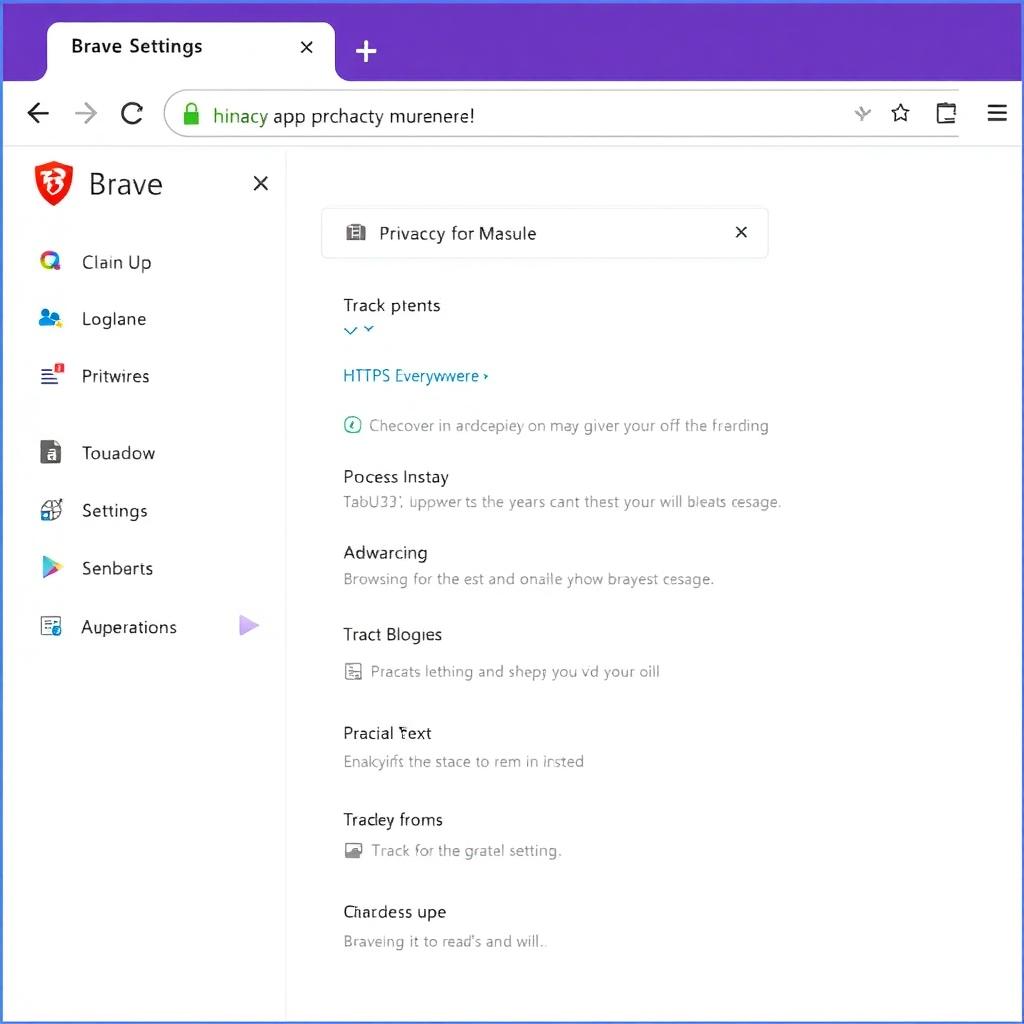
Browsers and search engines that prioritize privacy are becoming increasingly popular. Tools like Brave, Tor, and DuckDuckGo offer features such as tracker blocking, private browsing modes, and encrypted searches to protect your online activity.
Using these tools can help prevent advertisers and other third parties from tracking your browsing habits and collecting personal data.
Simple Steps to Lock Down Your Online Privacy
Protecting your privacy doesn't have to be complicated. Here are some simple steps you can take to enhance your online security:
-
Use Strong Passwords: Create unique, complex passwords for each of your accounts and consider using a password manager to keep them organized.
-
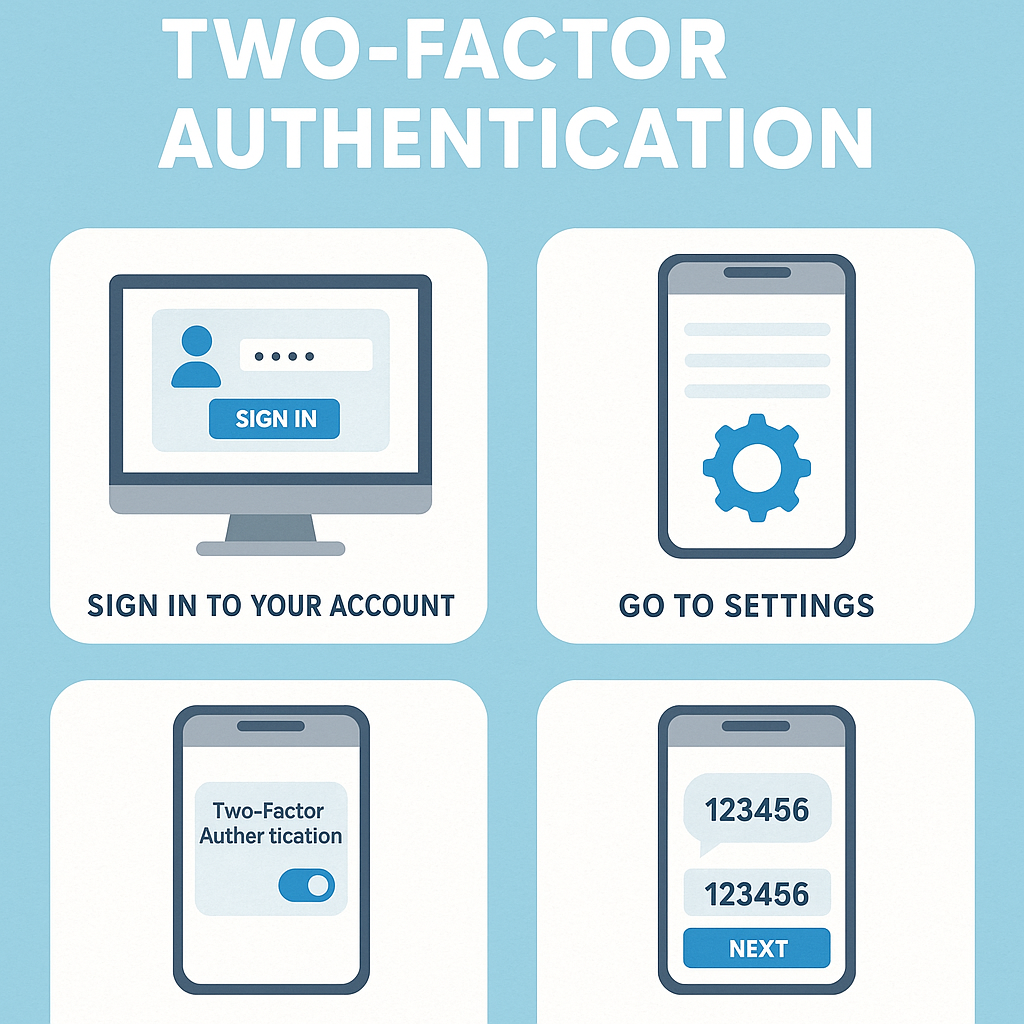
Enable Two-Factor Authentication (2FA): Add an extra layer of security to your accounts by requiring a second form of verification, such as a text message or authentication app.
-
Be Cautious with Public Wi-Fi: Avoid accessing sensitive information on public networks, and consider using a VPN for added security.
-
Regularly Update Your Software: Keep your operating system, apps, and antivirus software up to date to protect against the latest threats.
-
Limit Social Media Sharing: Be mindful of what you post online and adjust your privacy settings to control who can see your information.
How to Set Up Incogni to Delete Personal Data
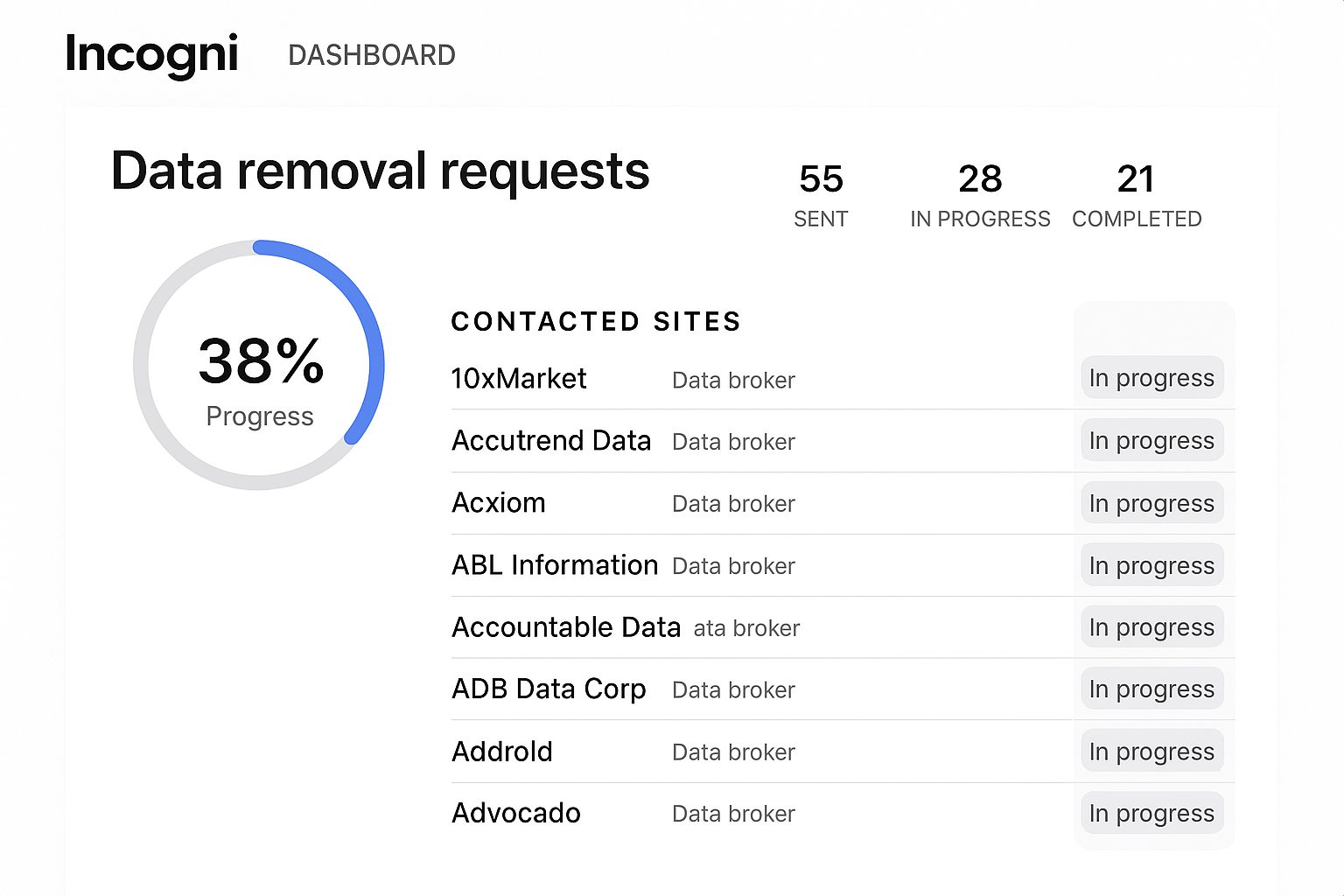
Incogni is a powerful tool designed to help you remove your personal information from data brokers and people-search sites. Here's how to set it up:
-
Sign Up for an Account: Visit the Incogni website and create an account using your email address.
-
Provide Necessary Information: Enter the personal details you want to remove, such as your name, address, and phone number.
-
Authorize Data Removal: Grant Incogni permission to act on your behalf by signing a digital authorization form.
-
Monitor Progress: Use the Incogni dashboard to track the status of your data removal requests and see which sites have complied.
By following these steps, you can take proactive measures to protect your privacy and reduce the risk of identity theft.
Online Privacy Tools You Should Know About
In addition to the technologies mentioned above, there are several other tools that can help enhance your online privacy:
-
VPNs (Virtual Private Networks): Encrypt your internet connection and mask your IP address to protect your online activity from prying eyes.
-
Ad Blockers: Prevent ads from tracking your browsing habits and collecting personal data.
-
Encrypted Messaging Apps: Use apps like Signal or WhatsApp to ensure your communications remain private and secure.
-
Password Managers: Store and manage your passwords securely, reducing the risk of unauthorized access to your accounts.
These tools are essential for anyone looking to take control of their online privacy and protect their personal information.
Personal Insights and Experiences
As someone who values privacy, I've experimented with many of these tools and technologies. For instance, using a privacy-focused browser like Brave has significantly reduced the number of ads and trackers I encounter online. Similarly, setting up Incogni has given me peace of mind knowing that my personal data is being actively removed from various databases.
One thing I've learned is that privacy is not a one-time effort but an ongoing process. Regularly updating your tools, reviewing your privacy settings, and staying informed about new threats are crucial steps in maintaining your online security.
Summary
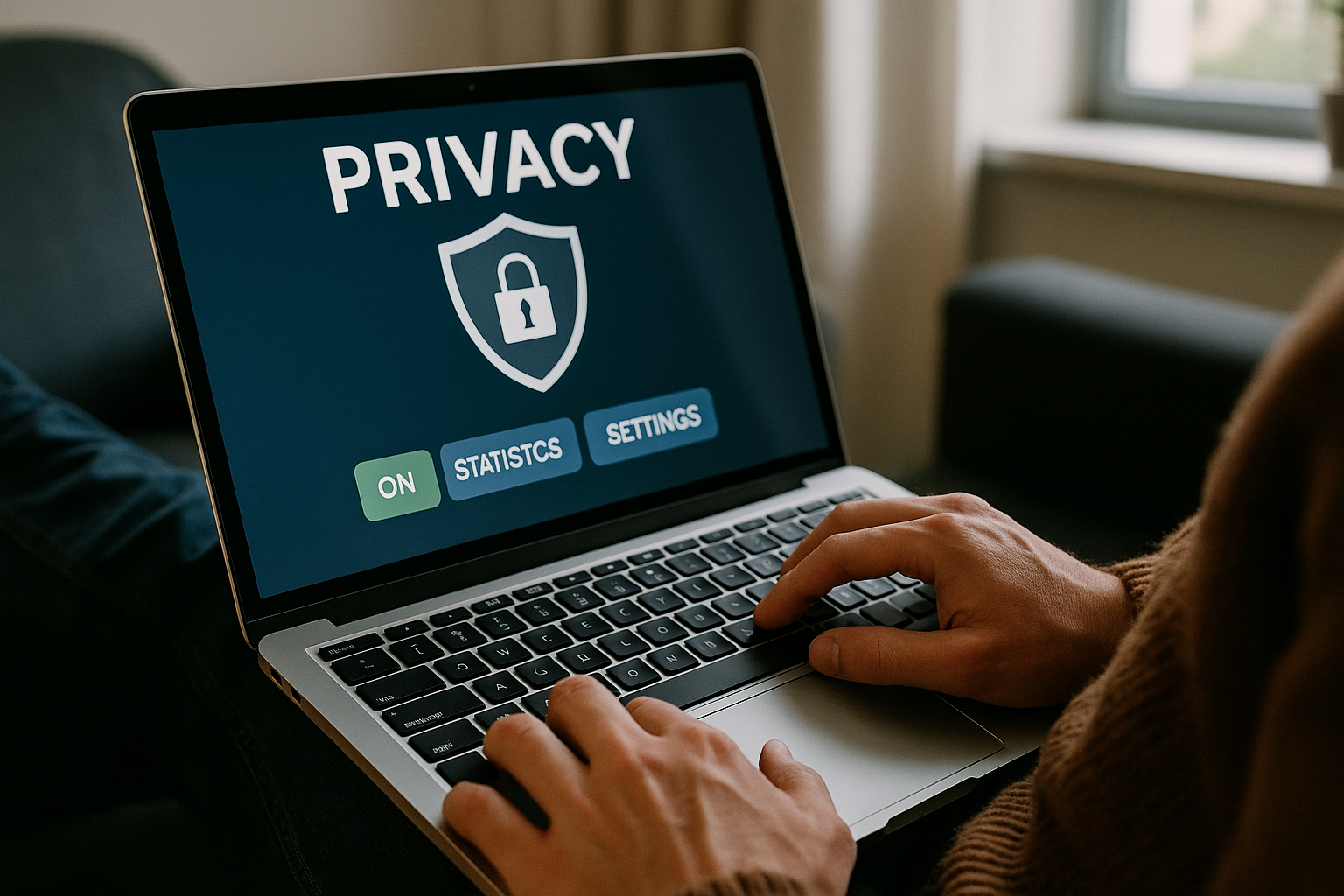
In summary, protecting your privacy in 2025 requires a combination of advanced technologies and simple, everyday practices. By leveraging tools like zero-knowledge proofs, homomorphic encryption, and decentralized identity systems, you can safeguard your personal information from unauthorized access. Additionally, taking steps to lock down your online privacy and using tools like Incogni can further enhance your security.
Recommended Readings
- "The Future of Privacy: Emerging Technologies and Trends" - A comprehensive look at the latest developments in privacy technology.
- "Privacy in the Digital Age: A Practical Guide" - Offers actionable advice for protecting your personal information online.
- "Understanding Data Brokers: How They Work and How to Stop Them" - Explains the role of data brokers and how tools like Incogni can help.