The Hidden Eyes of Search Engines: How Your Online Searches Might Be Spying on You
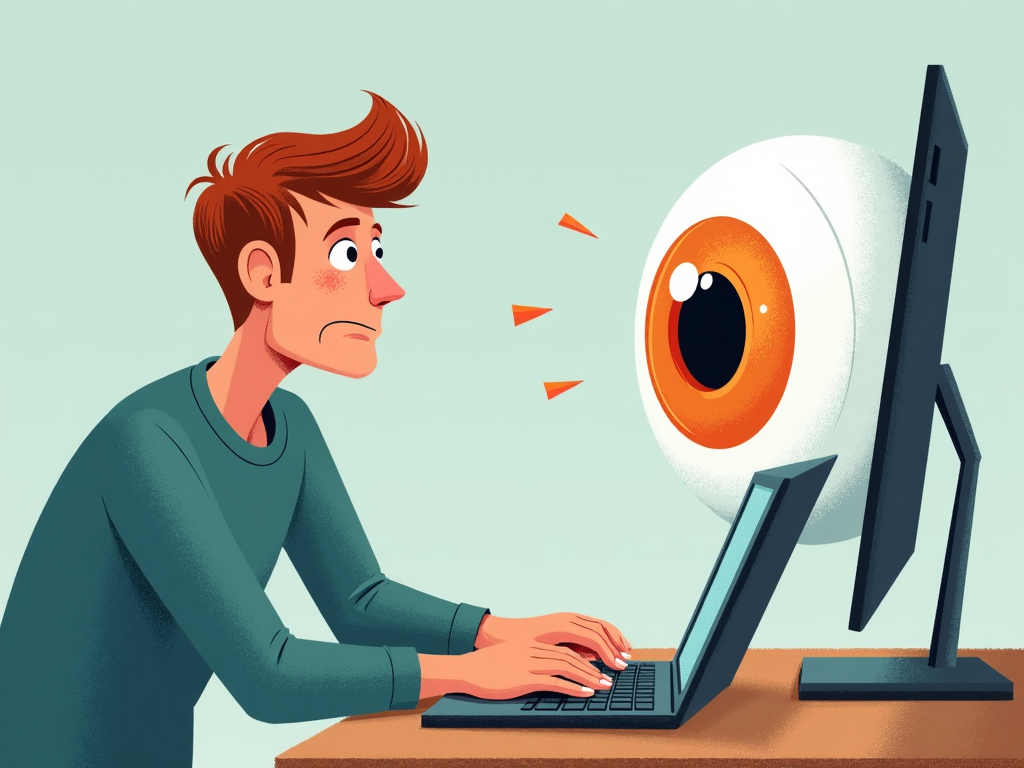
Search engines are everywhere. We use them to find answers, shop, or plan our day. But there’s a catch: they might be watching you. Why Your Search Engine Might Be Spying on You isn’t just a catchy phrase—it’s a real concern. This article dives into how search engines gather your data, why it matters, and what you can do about it. From targeted ads to privacy tools, we’ll cover it all in simple terms.
What’s Happening Behind Your Searches?
Every time you type a question or a keyword into a search engine, it’s not just giving you results—it’s collecting info about you. Here’s what they track:
- What You Search: Every word you type gets saved.
- Where You Are: Your location can be pinned down using your IP address.
- Your Device: They know if you’re on a phone, laptop, or tablet.
- What You Click: Every link you visit helps them learn more about you.
This data builds a picture of who you are. It’s why you might search for a new jacket and suddenly see jacket ads everywhere. It’s handy, sure, but it can also feel like someone’s peeking over your shoulder.

Why Do They Do This?
Search engines don’t charge you money to use them. So how do they stay in business? Ads. The more they know about you, the better they can sell ad space to companies. It’s a big machine: your searches feed their system, and advertisers pay to reach you. For example, Google made over $200 billion from ads in 2022 alone (source).
But it’s not just ads. Your data might get shared with other companies or used to improve their tech. Even if it’s ‘anonymous,’ there’s a chance someone could figure out it’s you.

My Own Wake-Up Call
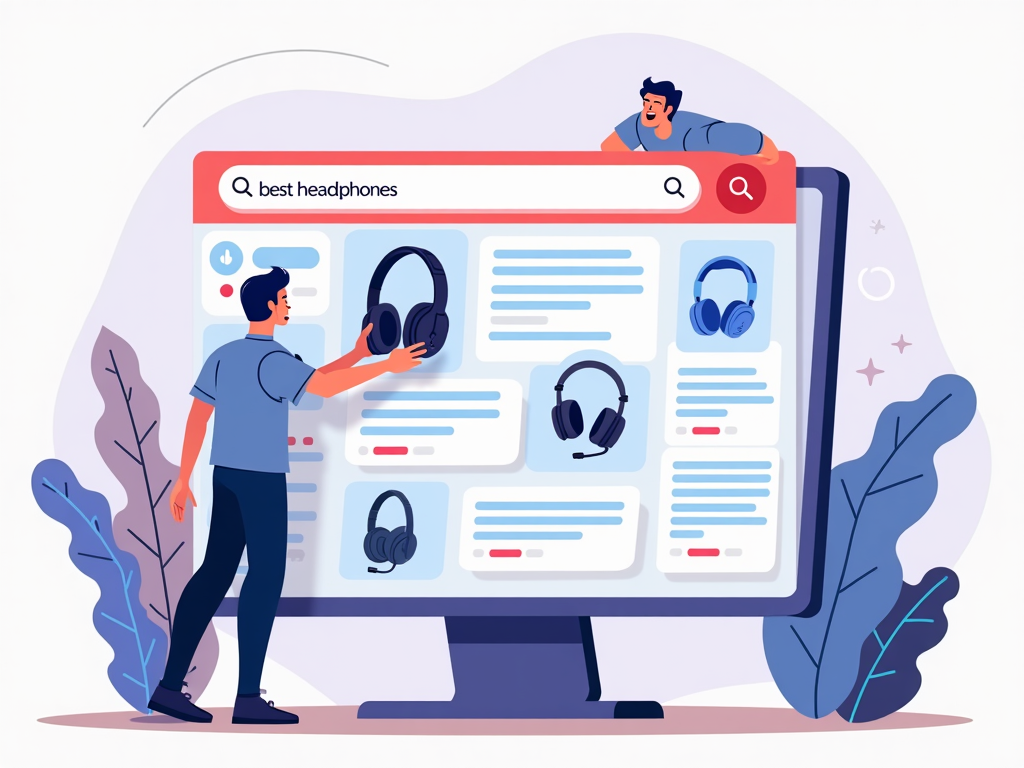
A while back, I was searching for a gift—wireless headphones for my brother’s birthday. I didn’t tell anyone, but the next day, my brother texted me about an ad for headphones he saw online. Coincidence? Maybe not. It hit me: my searches weren’t private. The search engine had shared enough to target him with ads, probably because we’re on the same Wi-Fi. It felt creepy, like my plans weren’t mine anymore.
Have you ever noticed something like this? It’s a small thing, but it shows how much they know.
Firefox Focus vs DuckDuckGo: Which Mobile Browser Is More Private?
If this spying vibe bothers you, there are options. Two big names in privacy are Firefox Focus and DuckDuckGo. Let’s break them down:
| Feature | Firefox Focus | DuckDuckGo |
|---|---|---|
| Tracking Protection | Blocks trackers and ads | Blocks trackers |
| Search Privacy | Uses your default search | No search tracking |
| History | Deletes everything on close | Keeps history private |
Firefox Focus is like a super-clean browser—it wipes your slate every time you’re done. DuckDuckGo focuses on keeping your searches secret and has its own search engine. I’ve tried both: Firefox feels snappier for browsing, but DuckDuckGo’s search privacy wins for me. Which one fits you best?

Online Privacy Tools You Can Use
You don’t have to feel stuck. Here are some easy ways to take back control:
- Get a VPN: It hides your location and scrambles your connection.
- Go Incognito: Private browsing mode skips saving your history.
- Tweak Settings: Turn off personalized ads in your search engine.
- Clear Stuff Out: Delete cookies and cache every so often.
- Switch It Up: Use DuckDuckGo instead of Google for sensitive stuff.
I started using a VPN last year, and it’s a game-changer. Ads don’t seem to follow me as much. Small steps like these can make a big difference.

Where’s This All Heading?
People are waking up to online privacy worries. Laws like Europe’s GDPR are forcing companies to be clearer about what they collect (source). Some search engines might even start putting privacy first to keep users happy. Imagine a world where you control your data—not them.
Until then, it’s on us to stay smart. Tools and tricks can help, but knowing what’s up is half the battle.
Wrapping It Up
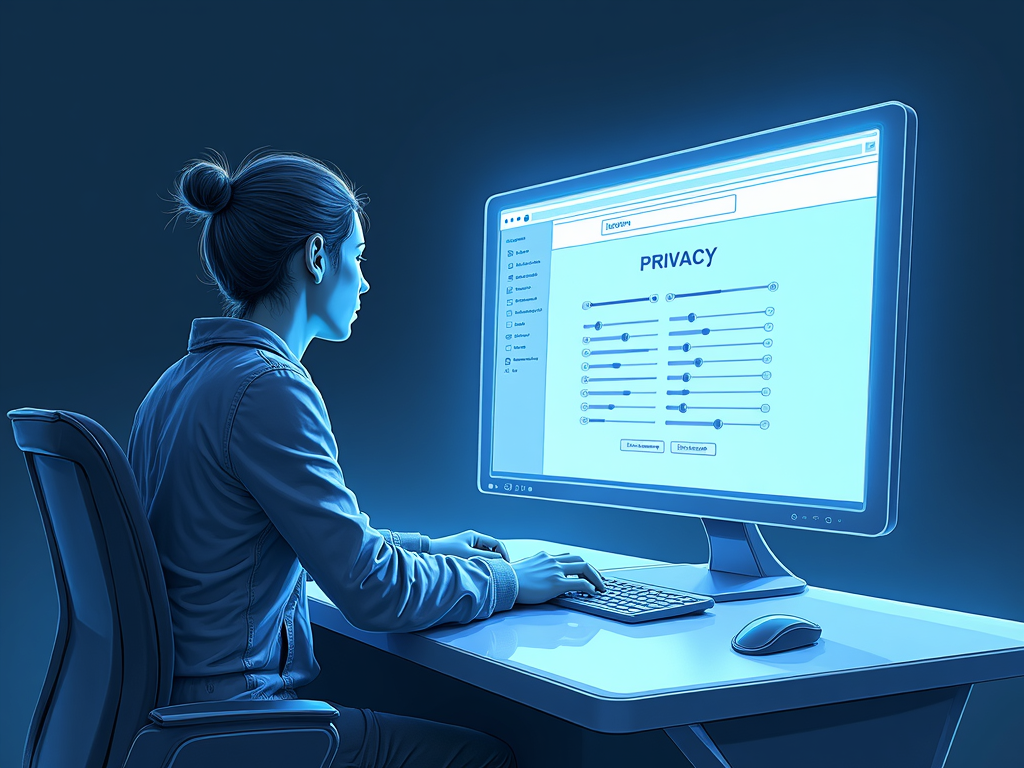
Search engines make life easier, but they’re not free—they trade on your data. From tracking your searches to feeding ads, they build a profile of you that can feel like spying. You can fight back with tools like Firefox Focus, DuckDuckGo, or a VPN. Online privacy matters, and you’ve got the power to protect it. Stay curious, stay safe.