Why Data Breaches Keep Happening—and How to Stay Safe
Quick Overview
Data breaches continue to rise in 2025, exposing billions of personal records. Human errors, weak passwords, and supply chain attacks drive most incidents. But you can fight back with smart habits and online privacy tools to keep your information safe.
The Alarming Reality of Data Breaches in 2025
Data breaches feel like they happen every week—and they almost do. In the first half of 2025 alone, thousands of incidents exposed millions of records. The average cost of a breach hit around $4.44 million, showing how serious this problem has become.
I remember getting that dreaded email: "Your information may have been exposed." It happened after a major retailer breach. Suddenly, I worried about identity theft and fraudulent charges. Many people share this experience today.
According to reports like the Verizon Data Breach Investigations Report, most breaches stem from a few key causes. Human error plays a huge role, often around 60% of cases. Employees click bad links or use weak passwords without thinking twice.
Main Reasons Why Data Breaches Keep Happening
Here are the top reasons breaches persist, based on recent data:
- Stolen Credentials: Hackers use passwords from old breaches to access new accounts.
- Phishing Attacks: Tricky emails fool people into giving away info.
- Supply Chain Vulnerabilities: One weak vendor can expose many companies.
- Unpatched Software: Old systems with known flaws stay open to attacks.
- Cloud Misconfigurations: Publicly exposed storage buckets leak data by accident.
These issues repeat because companies rush to collect data without strong protection. Attackers evolve fast, using AI tools in some cases. Meanwhile, too many people reuse passwords across sites—making one breach dangerous for many accounts.
The Importance of Online Privacy
Online privacy isn't just about hiding—it's about control. When companies and hackers collect your data without permission, you lose power over your life. Good online privacy keeps your habits, location, and details safe from misuse.
Strong online privacy tools help you browse without constant tracking. They reduce risks from breaches and targeted ads that feel creepy. In 2025, protecting privacy means staying one step ahead of threats.
Practical Steps to Stay Safe from Data Breaches
You don't need to be a tech expert to protect yourself. Start with these simple actions:
- Use strong, unique passwords for every account.
- Turn on two-factor authentication (2FA) everywhere possible.
- Keep software and apps updated.
- Avoid clicking suspicious links—double-check emails.
- Use a password manager to handle credentials securely.
Also, freeze your credit reports to block new fraudulent accounts. Monitor bank statements and set up alerts for unusual activity. These steps cut risks dramatically.
Top Online Privacy Tools to Use Today
Good online privacy tools make protection easier. Consider these:
- VPNs to hide your IP and encrypt connections.
- Ad and tracker blockers to stop invisible data collection.
- Secure browsers for private mobile surfing.
A strong password manager and encrypted email service add extra layers.
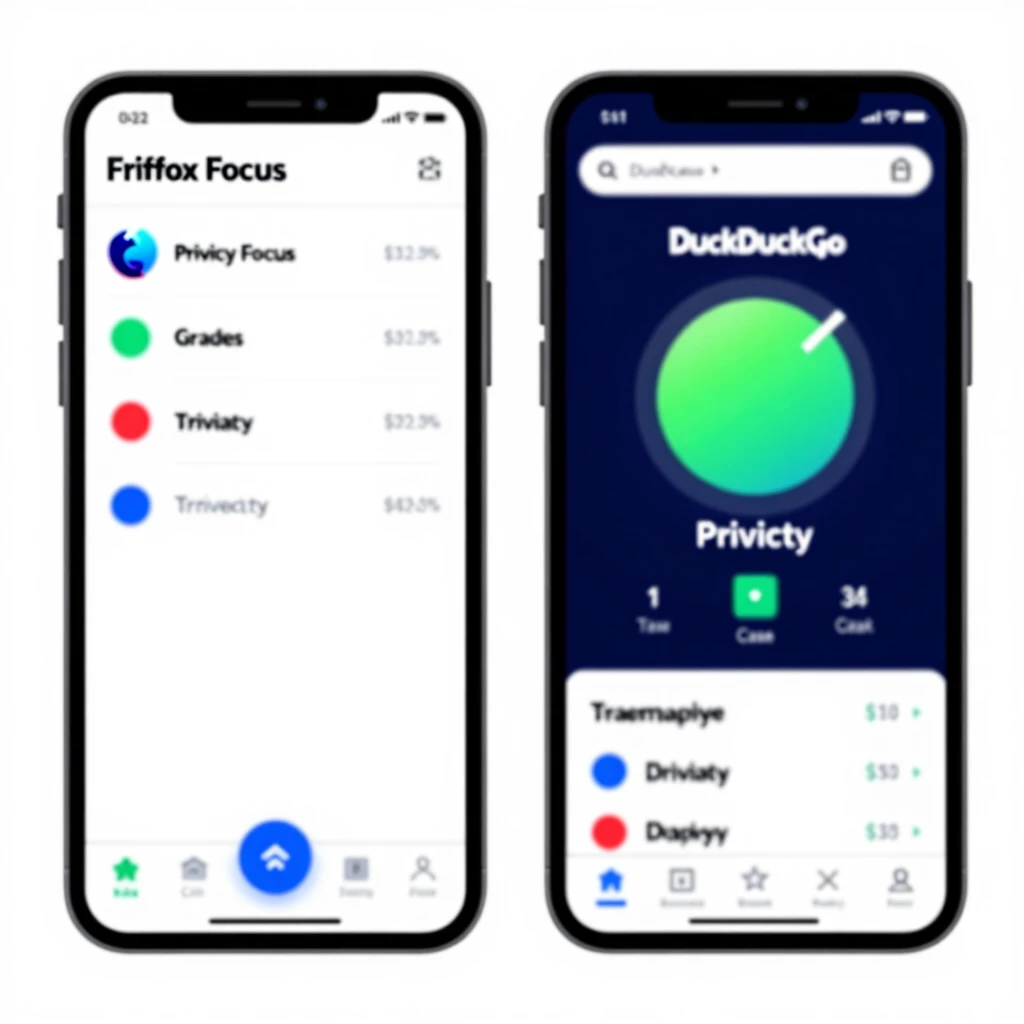
Firefox Focus vs DuckDuckGo: Which Mobile Browser Is More Private?
For mobile users, choosing the right browser matters a lot. Both Firefox Focus and DuckDuckGo focus on privacy, but they work differently.
Firefox Focus shines with automatic tracking protection. It blocks ads and trackers, then erases your history when you close it. It's simple and distraction-free.
DuckDuckGo offers more features like forced encryption, email protection, and a private search engine built-in. It gives detailed privacy grades for sites and works well for everyday use.
Many experts say DuckDuckGo provides a fuller privacy suite, especially with extras like VPN options. But Firefox Focus wins for pure minimalism. Try both—they're free—and see what fits your needs best.
Building Better Habits for Long-Term Safety
Protection takes ongoing effort. Review privacy settings on social media and apps regularly. Limit what you share online. Use breach notification services to know when your info appears in leaks.
I've found that small changes—like switching to privacy-focused tools—make a big difference. You feel more in control, and risks drop noticeably.
Final Thoughts
Data breaches keep happening because of human mistakes, outdated systems, and clever attackers. But you hold real power to stay safe. Focus on strong habits, use reliable online privacy tools, and prioritize your data protection. Your online privacy matters—guard it well.