Why VPNs Matter for Online Privacy
Overview
Every day, millions of people go online without realizing how much of their personal information gets exposed. From browsing habits to location data, companies and governments collect it all. This article explains why VPNs matter for online privacy and shares simple ways to take control. (38 words)

You might think your online life is private, but it's not. Your internet service provider (ISP) sees everything you do online. They know which sites you visit, what you search for, and even when you're active.
According to the Electronic Frontier Foundation (EFF), ISPs can collect and sell this data without your full consent in many places. This tracking happens because your data travels openly from your device to websites.
Governments and corporations track us more than ever. The American Civil Liberties Union (ACLU) highlights how new technologies make it easy to learn details about our lives online. Outdated laws fail to protect us fully.
I remember a time when I traveled abroad and used public Wi-Fi. Without protection, anyone could have snooped on my emails or banking. That's when I realized how vulnerable we are.
The Biggest Threats to Online Privacy
Here are common ways your privacy gets invaded:
- ISP Monitoring: Your provider logs your activity and may share it.
- Public Wi-Fi Risks: Hackers intercept data on unsecured networks.
- Advertiser Tracking: Companies build profiles to target you.
- Government Surveillance: Requests for data are common.
The EFF's guide on choosing a VPN explains how your IP address reveals your location and identity, making masking it crucial.
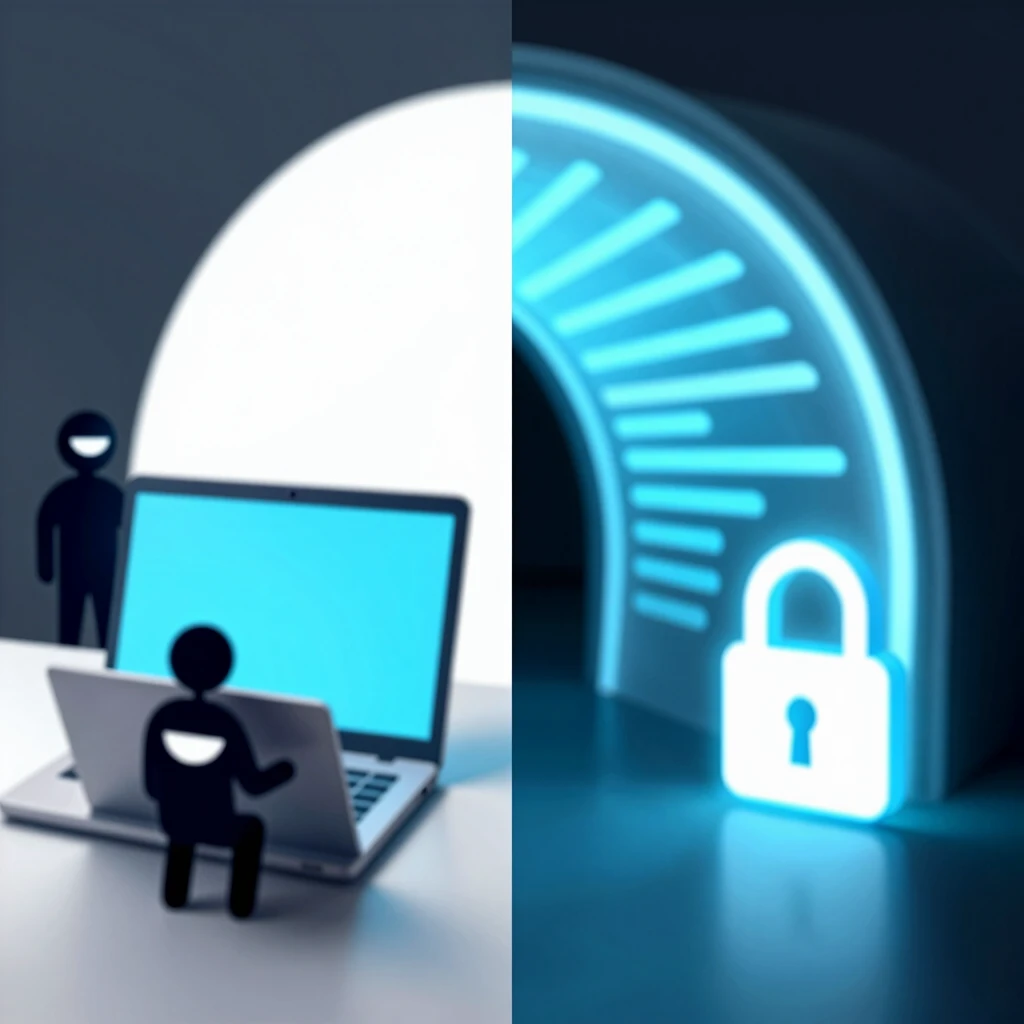
Why VPNs Matter for Online Privacy
A VPN, or Virtual Private Network, creates a secure tunnel for your data. It encrypts everything you send and receive, hiding it from prying eyes.
As the EFF notes in their Surveillance Self-Defense guide, VPNs mask your IP address. This stops your ISP from seeing what you do and protects you on public networks.
VPNs are especially vital today. With more remote work and travel, we connect from everywhere. A good VPN prevents man-in-the-middle attacks where someone steals your info.
In my experience, switching on a VPN gave me peace of mind. No more worrying about cafe Wi-Fi or hotel connections. It also lets you access content safely without revealing your real location.
But VPNs aren't perfect. Choose reputable ones with no-log policies. The EFF warns that some providers overpromise, so research carefully.
VPNs block ISP tracking effectively. One EFF article details how providers like Verizon have injected trackers in the past. A VPN routes your traffic through their servers, so your ISP only sees encrypted data to the VPN.
Benefits of Using a VPN
| Benefit | How It Helps Privacy |
|---|---|
| Encrypts Data | Hides content from ISPs and hackers |
| Masks IP Address | Prevents location tracking |
| Secure Public Wi-Fi | Protects on cafes, airports |
| Bypasses Censorship | Access info freely in restricted areas |
These features make VPNs a top choice among online privacy tools.
Steps to Lock Down Your Digital Life
Protecting your online privacy takes a few habits. Start with these actionable steps:
- Get a Reliable VPN: Pick one recommended by experts like the EFF.
- Use Strong Passwords: Combine with a manager.
- Enable Two-Factor Authentication: Adds extra security.
- Update Software Regularly: Patches fix vulnerabilities.
- Be Mindful of Sharing: Think before posting personal info.
I follow these and feel much safer online.
How to Use BleachBit to Clean Your Computer for Privacy
Over time, your computer stores traces of your activity: browsing history, temporary files, and more. These can reveal a lot if someone accesses your device.
BleachBit is a free, open-source tool that securely deletes this data. Here's how to use it:
- Download from the official site.
- Run as administrator.
- Select categories like browser cache, cookies, and system temp files.
- Preview, then clean.
It overwrites data so it can't be recovered. I run it weekly to wipe unnecessary traces. Combine with other online privacy tools for best results.
More Online Privacy Tools to Consider
- HTTPS Everywhere: Forces secure connections (from EFF).
- Privacy Badger: Blocks hidden trackers.
- Tor Browser: For anonymous browsing.
- Signal: Encrypted messaging.
These are free and easy to add to your routine.
Online privacy isn't optional—it's essential. We've covered why VPNs matter for online privacy: they encrypt data, hide your IP, and shield you from trackers.
Taking control feels empowering. Start with a VPN and build from there. Your digital life deserves protection.
For deeper reading, check these authoritative sources: