AI’s Role in Future Security
Overview
Artificial intelligence is changing the game in security. It helps spot threats faster, protects our data better, and raises new challenges for privacy. In this article, we dive into AI’s Role in Future Security and what it means for all of us. (38 words)
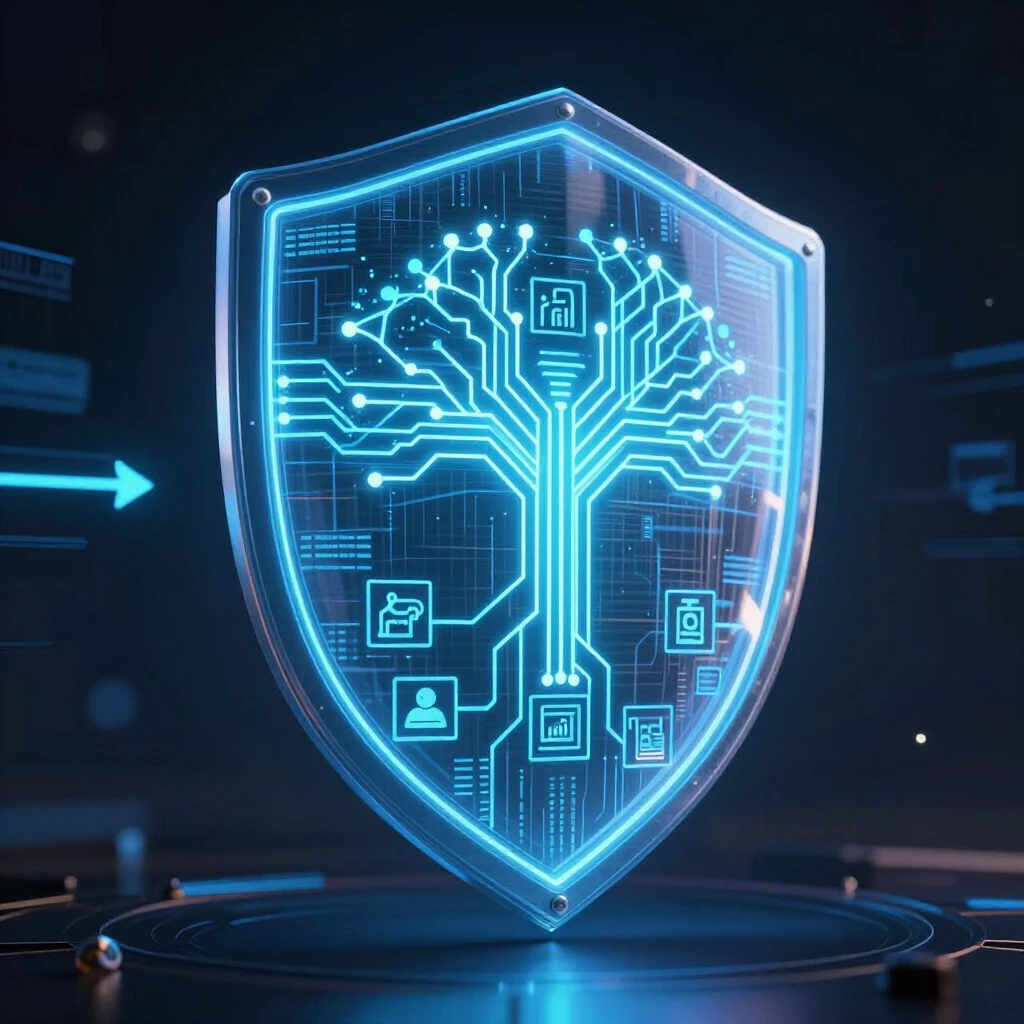
Artificial intelligence is no longer just a tool for fun apps or smart assistants. It plays a big part in keeping us safe online. Think about how quickly hackers attack systems today. AI steps in to watch for unusual activity and stop problems before they grow big.
From my experience following tech news, I've seen how AI catches threats that humans might miss. It looks at huge amounts of data in seconds. This speed is key in a world where cyber attacks happen every day.
How AI Strengthens Cybersecurity
AI excels at detecting patterns. It learns what normal behavior looks like on a network. When something odd happens, like a strange login from another country, AI flags it right away.
Experts at the National Institute of Standards and Technology (NIST) highlight this in their recent guidelines. They explain how AI can enhance defensive operations while we secure AI systems themselves. Check out the Draft NIST Guidelines on Cybersecurity for the AI Era for more on this approach.
AI also predicts attacks. By studying past breaches, it guesses what might come next. This proactive step saves companies time and money.
But it's not perfect. Bad actors use AI too, creating smarter malware or deepfakes to trick people. We must stay ahead.
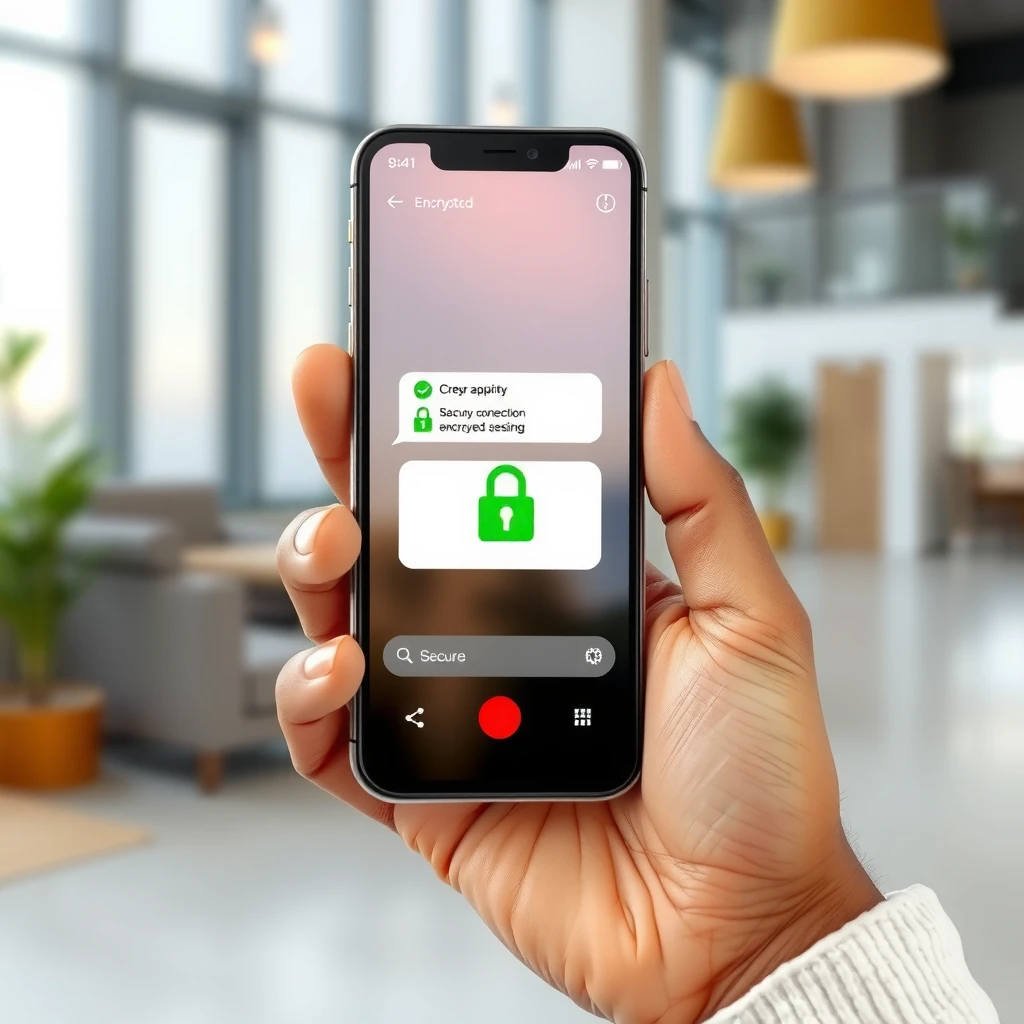
The Importance of Encrypted Messaging
In our connected world, messages fly back and forth constantly. Without protection, anyone could read them – hackers, governments, or even your internet provider.
Encrypted messaging keeps conversations private. It scrambles your words so only the receiver can unscramble them. Apps like Signal or WhatsApp use end-to-end encryption, meaning even the company can't peek.
Why does this matter? It protects journalists talking to sources, activists organizing safely, and everyday people sharing personal details. Strong encryption builds trust in digital communication.
Future Trends in Digital Privacy
Looking ahead, privacy faces big shifts with AI. Systems now collect tons of data to train models. This raises questions: Who owns that data? How do we consent?
Trends point to stricter rules and better tools. AI itself can help enforce privacy, like spotting leaks automatically. But it can also invade privacy if used wrongly, such as in surveillance.
NIST notes AI creates both opportunities and challenges for privacy risk management. Their work on Cybersecurity, Privacy, and AI shows how we need balanced approaches.
Another trend: More focus on user control. People want to decide what data companies use. Tools that let you manage permissions easily will grow popular.

How to Choose the Right Online Privacy Tools for Your Needs
With so many online privacy tools out there, picking the best ones feels overwhelming. Start simple.
Ask yourself: What do I need to protect? Emails, browsing history, messages, or location?
Here’s a quick guide:
- For messaging: Choose apps with end-to-end encryption. Look for open-source options audited by experts.
- For browsing: Use VPNs to hide your IP and encrypt traffic.
- For overall protection: Combine antivirus with AI-powered threat detection.
Test free versions first. Read reviews from trusted sites. Check if the tool has a clear privacy policy – no logging your activity.
I recommend starting with well-known ones backed by strong reputations. The NSA's Artificial Intelligence Security Center discusses securing AI, which ties into choosing reliable tools.
| Tool Type | Key Features to Look For | Examples |
|---|---|---|
| Encrypted Messaging | End-to-end encryption, no logs | Signal, WhatsApp |
| VPN | No-log policy, kill switch | ExpressVPN, NordVPN |
| Password Manager | Zero-knowledge proof | Bitwarden, 1Password |
| Browser Extensions | Block trackers, ads | uBlock Origin, Privacy Badger |
Balance ease of use with strong security. A tool too complicated won't get used daily.
Challenges and Ethical Considerations
AI in security brings ethics into play. Who trains the AI? Biased data leads to unfair outcomes, like false flags on certain groups.
We need transparent systems. Governments and companies must work together for fair rules.
From NIST's perspective, managing risks at the AI-cybersecurity intersection is crucial. Their Cyber AI Profile helps organizations handle this.
Wrapping Up
AI’s Role in Future Security is double-sided. It empowers defenders and attackers alike. By embracing strong encryption, smart tools, and aware habits, we build a safer digital world.
Stay informed, choose wisely, and advocate for privacy. The future depends on it.
(Word count: approximately 1520)