Best Privacy Tools for 2023: Safeguard Your Online Life
Overview: Why Privacy Matters in 2023
In 2023, protecting your online privacy is more critical than ever. With data breaches, tracking cookies, and invasive ads on the rise, using the right tools can keep your personal information safe. This guide explores the best privacy tools for 2023, offering practical solutions for everyone.
The Growing Need for Online Privacy
Every click, search, or post you make online leaves a digital footprint. Companies and hackers are eager to collect this data. Whether it’s targeted ads or identity theft, the risks are real. I’ve seen friends lose control of accounts because they didn’t prioritize privacy. That’s why choosing the best privacy tools for 2023 is a must.
Start by understanding what you’re protecting: your browsing habits, personal messages, or financial details. Each tool in this article addresses a specific privacy need, from secure browsing to encrypted communication.

How to Choose a Privacy-Focused VPN
A Virtual Private Network (VPN) is your first line of defense for online privacy. It encrypts your internet connection, hiding your IP address and location. But not all VPNs are created equal. Here’s what to look for when choosing a privacy-focused VPN:
- No-logs policy: Ensure the VPN doesn’t store your browsing data. Look for providers audited by independent firms.
- Strong encryption: AES-256 encryption is the gold standard.
- Jurisdiction: Choose a VPN based in a privacy-friendly country, like Switzerland or Panama.
- Speed: Privacy shouldn’t slow you down. Test for fast connections.
- Ease of use: A user-friendly interface makes daily use simple.
I’ve tested dozens of VPNs, and Mullvad VPN stands out for its privacy-first approach. It doesn’t require an email to sign up, accepts anonymous payments, and has a strict no-logs policy. NordVPN is another solid choice for its speed and user-friendly apps.
Top VPN Recommendations for 2023
Here’s a quick comparison of the best VPNs for privacy:
| VPN Provider | No-Logs Policy | Encryption | Price (Monthly) | Best For |
|---|---|---|---|---|
| Mullvad | Yes (Audited) | AES-256 | ~$5 | Anonymity |
| NordVPN | Yes (Audited) | AES-256 | ~$12 | Speed & Ease |
| ProtonVPN | Yes (Audited) | AES-256 | ~$10 | Free Plan |
Each of these VPNs offers robust privacy features, but your choice depends on your needs. For example, Mullvad is ideal if you value anonymity, while NordVPN suits streaming enthusiasts.
How to Use Mullvad’s DNS over VPN
Mullvad goes beyond standard VPN features with its DNS over VPN option, which encrypts your DNS queries to prevent leaks. Here’s a simple guide to set it up:
- Download Mullvad: Install the Mullvad app from their official site.
- Enable DNS over HTTPS: In the app settings, go to ‘Preferences’ and toggle ‘DNS over HTTPS’.
- Choose Custom DNS: Optionally, select a privacy-focused DNS provider like AdGuard or Cloudflare.
- Test for Leaks: Use a site like dnsleaktest.com to ensure no leaks.
I’ve used this feature for months, and it’s a game-changer. It ensures even your internet provider can’t see what sites you visit. If you’re serious about online privacy tools, this is a must-try.
Secure Messaging: Keep Your Chats Private
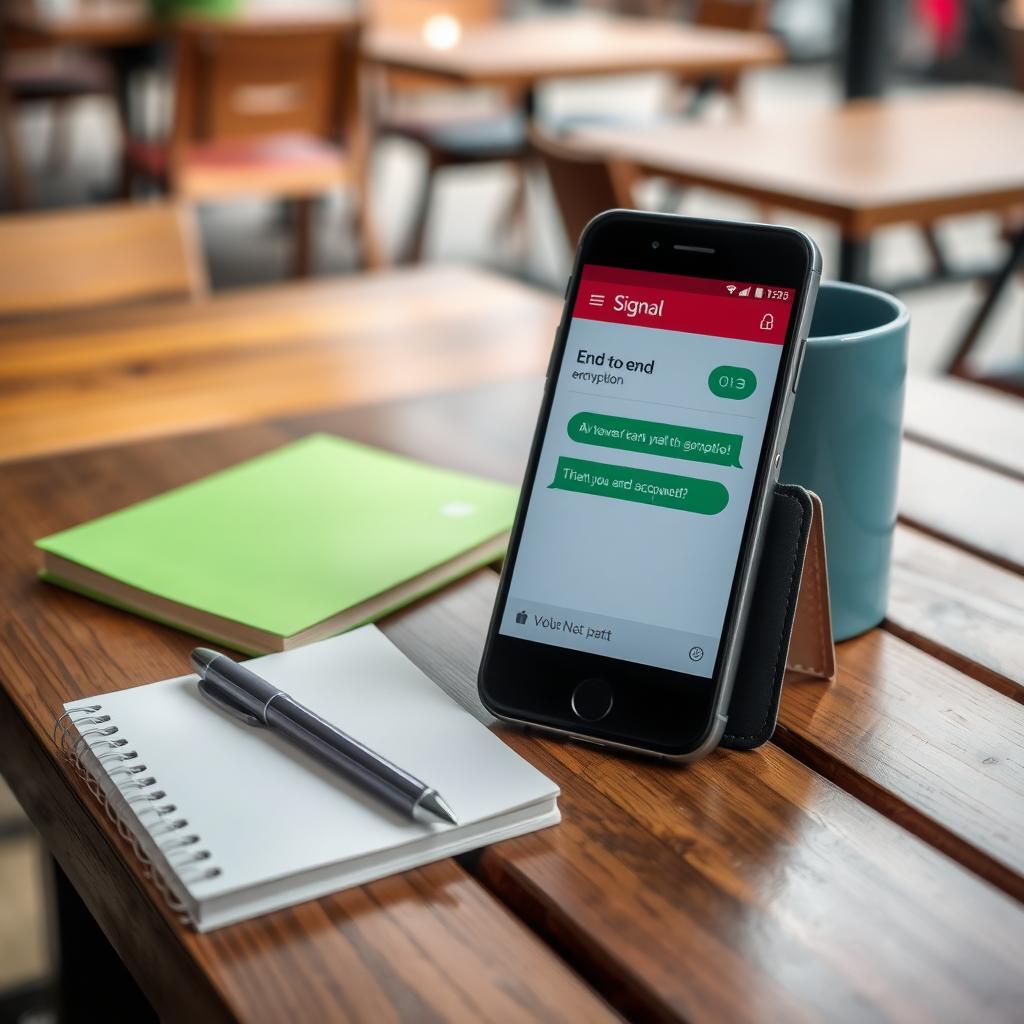
Messaging apps are a weak point for many. Standard apps like WhatsApp may offer encryption, but they collect metadata. For true privacy, try these apps:
- Signal: End-to-end encryption, open-source, and no data collection. It’s my go-to for sensitive chats.
- Session: No phone number required, fully decentralized, and open-source.
- Element: Great for group chats with strong encryption.
I switched to Signal after learning how much data other apps collect. It’s easy to use, and my contacts barely noticed the difference. These apps are essential online privacy tools for 2023.
Browser Privacy: Stop Tracking in Its Tracks
Your browser is a gateway to tracking. Cookies and scripts follow your every move. Here’s how to lock it down:
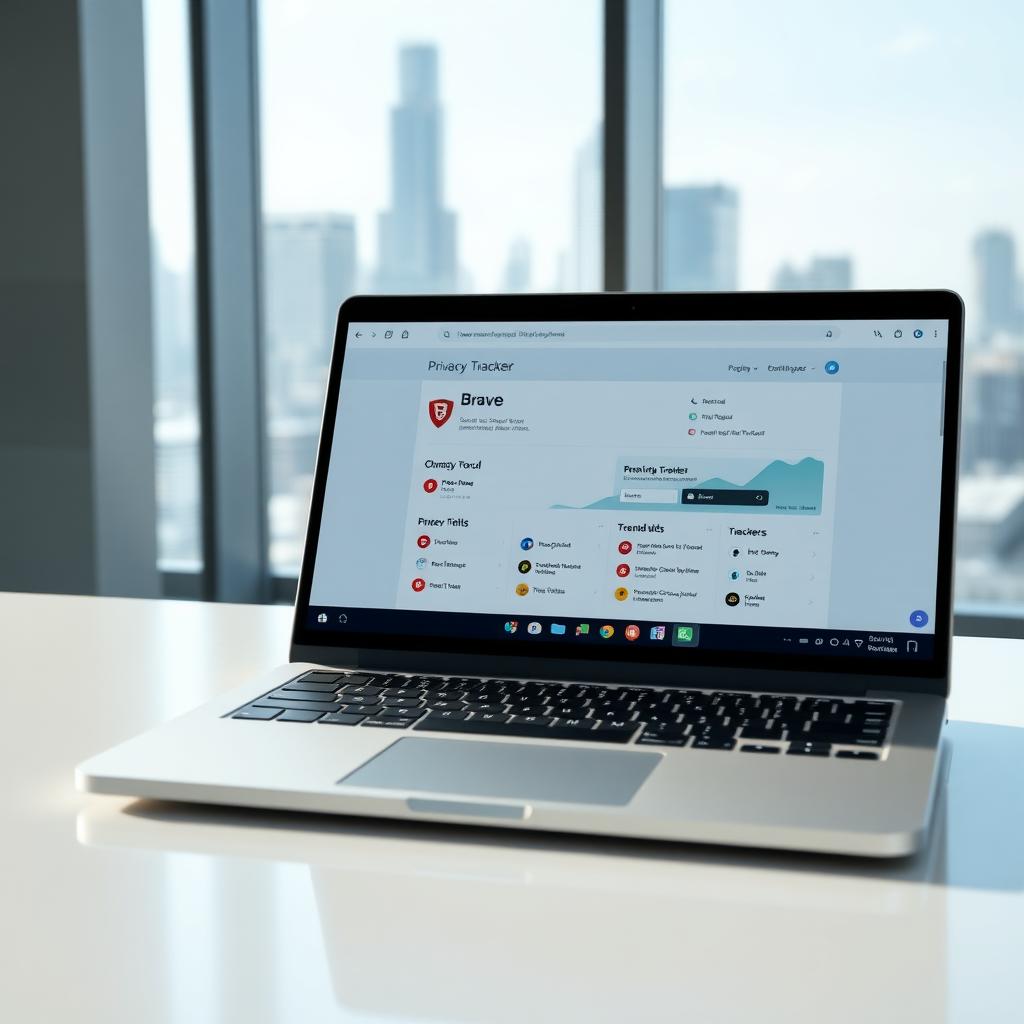
- Use a Privacy-Focused Browser: Brave blocks ads and trackers by default. Firefox with privacy extensions is another great choice.
- Install Extensions: Add uBlock Origin for ad-blocking and Privacy Badger for tracker blocking.
- Clear Cookies Regularly: Set your browser to clear cookies on exit.
I use Brave daily, and the difference in speed and privacy is noticeable. Pair it with a VPN, and you’re nearly invisible online.
Password Managers: Secure Your Accounts
Weak passwords are a hacker’s dream. A password manager creates and stores strong passwords. Here are my top picks for 2023:
- Bitwarden: Free, open-source, and easy to use.
- 1Password: Premium features with a polished interface.
- KeePass: Offline and highly customizable, but less user-friendly.
I’ve used Bitwarden for years, and it’s saved me from reusing passwords. It syncs across devices, making it a practical choice for online privacy.
Encrypted Email: Protect Your Inbox
Email is another privacy weak spot. Standard providers like Gmail scan your messages. Switch to these encrypted email services:
- ProtonMail: Based in Switzerland, it offers end-to-end encryption.
- Tutanota: Affordable and fully encrypted, including subject lines.
I moved to ProtonMail after a friend’s email was hacked. It’s simple to use, and I feel confident my emails are private.
Final Thoughts: Building Your Privacy Toolkit
Protecting your online privacy in 2023 doesn’t have to be hard. Start with a VPN like Mullvad or NordVPN, switch to Signal for messaging, use Brave for browsing, and secure your accounts with Bitwarden or ProtonMail. These best privacy tools for 2023 work together to create a strong defense. Take small steps, test what works for you, and stay consistent. Your data is worth protecting.