Mastering Your Privacy: Exploring the State Privacy Law Tracker on iapp.org
Overview: Navigating Privacy in 2025
In an era where personal data is a hot commodity, staying on top of privacy laws is crucial. The State U.S. Privacy Legislation Tracker on iapp.org is a powerful tool for understanding the ever-changing landscape of U.S. state privacy laws. This guide dives into how this tracker works, why it matters for 2025, and how you can protect your personal information with practical steps and tools like Incogni.
Why State Privacy Laws Matter in 2025
Every day, companies collect, store, and sometimes sell your personal data—often without you realizing it. From your browsing habits to your address, this information can end up in the hands of data brokers or advertisers. In 2025, the U.S. continues to lack a comprehensive federal privacy law, leaving states to fill the gap. This creates a patchwork of regulations, with each state setting its own rules for consumer protections.
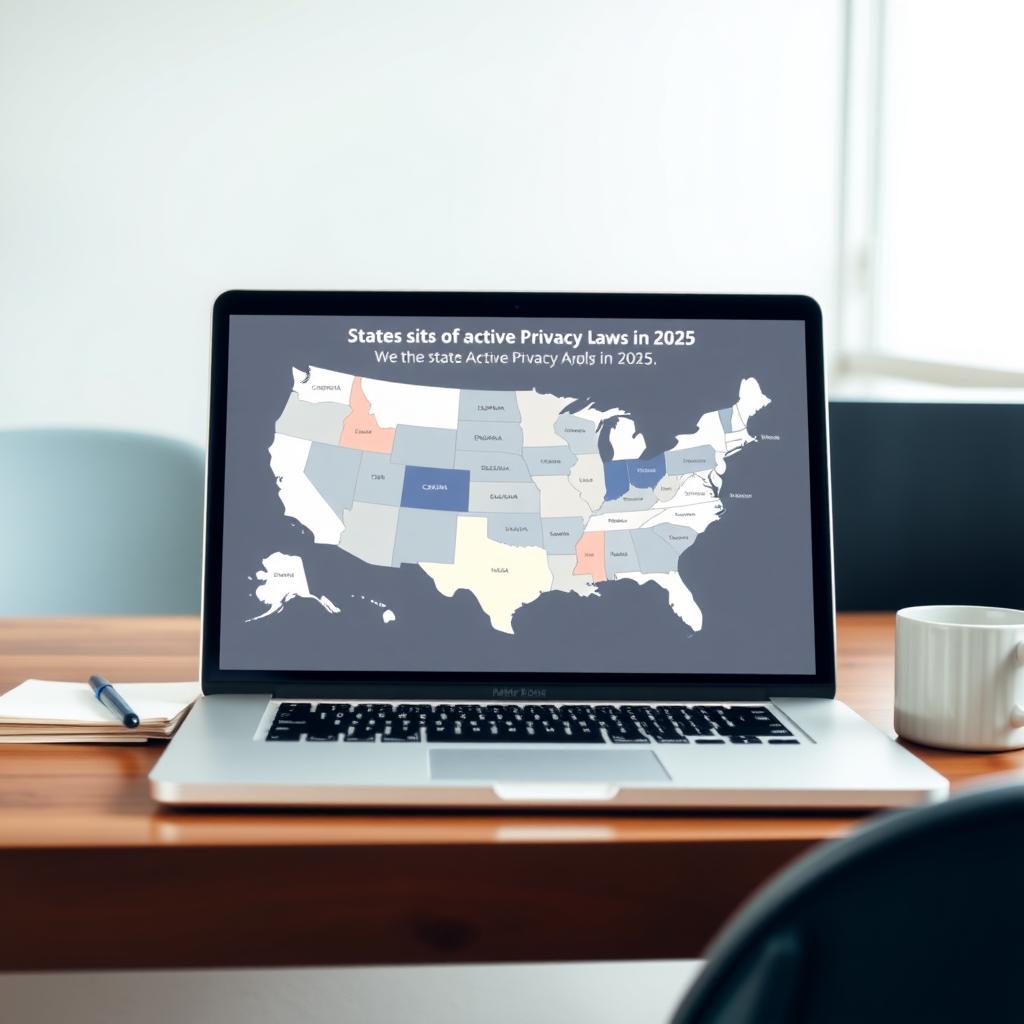
The State Privacy Law Tracker on iapp.org, maintained by the International Association of Privacy Professionals (IAPP), is a lifeline for anyone trying to keep up. It tracks comprehensive state privacy bills, offering clarity on what’s changing and when. For example, in 2025, eight new state privacy laws come into effect, including Delaware, Iowa, and Maryland. These laws grant consumers rights like opting out of targeted advertising or requesting data deletion, but they vary widely in scope and enforcement.
I’ve spent hours digging into privacy policies, and trust me, it’s overwhelming. The tracker simplifies this by summarizing key details—like which states require businesses to disclose data collection practices or offer opt-out mechanisms. For instance, Delaware’s law stands out by including nonprofits, while Nebraska has no small business exemptions. This kind of insight is gold for anyone who wants to know their rights or ensure their business complies.
How the State Privacy Law Tracker Works
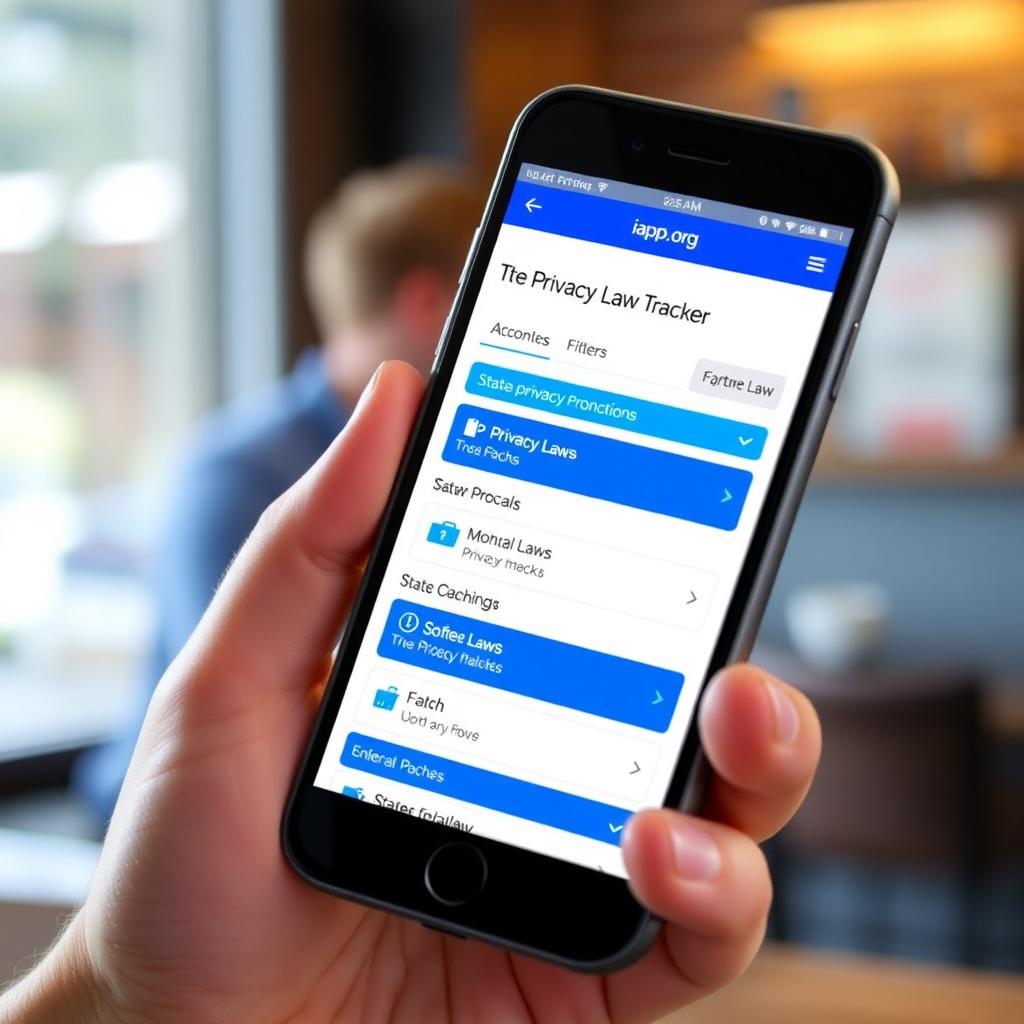
The State Privacy Law Tracker on iapp.org is designed to be user-friendly, even if you’re not a privacy expert. It’s a regularly updated resource that lists proposed and enacted state privacy laws, their effective dates, and key provisions. You can filter by state or topic, like consumer rights or data protection assessments. For example, I checked the tracker recently and found that Minnesota’s Consumer Data Privacy Act, effective July 31, 2025, lets consumers challenge automated decisions made through profiling—a unique feature compared to other states.
The tracker also highlights enforcement dates and compliance requirements. For instance, California’s Privacy Protection Agency can now enforce updated regulations from the California Consumer Privacy Act (CCPA), which is stricter than most. If you’re a business owner, this tool helps you stay ahead of deadlines. If you’re a consumer, it shows what protections you’re entitled to, like the right to delete your data or opt out of its sale.
2025 Privacy Laws and Consumer Protections Guide
The 2025 privacy laws and consumer protections guide embedded in the tracker is a goldmine. It breaks down each state’s law into digestible pieces, covering:
- Applicability: Who the law applies to (e.g., businesses processing data of 35,000+ Delaware residents).
- Consumer Rights: Rights to access, correct, or delete personal data.
- Sensitive Data: Special protections for data like health records or religious beliefs.
- Enforcement: Who enforces the law (usually state attorneys general) and potential penalties.
For example, Maryland’s Online Data Privacy Act, effective October 1, 2025, requires businesses to conduct regular privacy impact assessments for algorithms—a step most states don’t mandate. Meanwhile, Iowa’s law, effective January 1, 2025, is more business-friendly, lacking rights to delete or correct data. Knowing these differences helps you understand what protections you have based on where you live.
As someone who’s tried to navigate privacy laws without a guide, I can say the tracker is a game-changer. It’s like having a map in a maze. You don’t need to read every piece of legislation—just check the tracker for a clear snapshot. It’s especially helpful for comparing states. For instance, California’s CCPA lets you limit the use of sensitive data, while most other states don’t. This kind of detail empowers you to take control of your data.
Simple Steps to Lock Down Your Online Privacy
Understanding state laws is just the start. Protecting your privacy requires action. Here are simple steps to lock down your online privacy based on what I’ve learned from using tools like the IAPP tracker and experimenting with privacy solutions:
- Know Your Rights: Use the State Privacy Law Tracker on iapp.org to check what protections your state offers. For example, if you’re in California, you can request companies to stop selling your data.
- Limit Data Sharing: Opt out of targeted advertising where possible. Many state laws, like Colorado’s, require businesses to honor opt-out preference signals.
- Use Privacy Tools: Tools like VPNs, private browsers, and data removal services can reduce your digital footprint.
- Review Privacy Policies: Check how companies handle your data. The tracker can point you to states with strict disclosure requirements.
- Stay Informed: Subscribe to IAPP’s U.S. Privacy Digest newsletter for updates on new laws and enforcement actions.
I started doing this a year ago, and it’s made a huge difference. My inbox used to be flooded with spam, and I worried about data breaches. Now, I check the tracker regularly to know my rights and use tools to keep my data private. It’s not perfect, but it’s empowering.
How to Set Up Incogni to Delete Personal Data
One of the best online privacy tools I’ve come across is Incogni, a service that automates the removal of your personal data from data brokers. Here’s how to set up Incogni to delete personal data:
- Sign Up: Visit incogni.com and create an account. You’ll need to provide your name, email, address, and optionally, past addresses or phone numbers.
- Authorize Removal: Sign an online authorization form to let Incogni act on your behalf. This gives them legal power to demand data removal.
- Let Incogni Work: Incogni scans over 270 data brokers and people search sites, sending opt-out requests. Some brokers comply within hours, others take up to 45 days.
- Monitor Progress: You’ll get regular privacy reports showing which brokers have removed your data. If a broker refuses, Incogni escalates to privacy agencies.
- Handle Emails: You might get emails from data brokers confirming removal. If [email protected] is included, ignore them—Incogni handles it. Otherwise, forward them to Incogni.
I’ve been using Incogni for six months, and it’s cut down on spam calls and emails significantly. It’s not a one-time fix—data brokers keep collecting—but Incogni’s regular scans keep them at bay. It’s like hiring a lawyer to fight for your privacy without the hefty bill.

Why Online Privacy Tools Are Essential
The State Privacy Law Tracker shows how fast privacy laws are evolving, but laws alone can’t protect you. Online privacy tools like Incogni, VPNs, or encrypted messaging apps fill the gap. For example, state laws might give you the right to delete data, but you still need to submit requests. Tools like Incogni automate this, saving you time and hassle.
I’ve learned that combining knowledge from the tracker with proactive tools is the best approach. The tracker tells you what’s possible—like opting out of data sales in New Jersey—while tools make it happen. It’s a one-two punch for keeping your data safe.
Summary: Take Control of Your Privacy
The State Privacy Law Tracker on iapp.org is your go-to resource for navigating 2025’s complex privacy landscape. It breaks down state laws, highlights your rights, and helps businesses stay compliant. Pair this knowledge with simple steps to lock down your online privacy and tools like Incogni to delete personal data, and you’re well on your way to protecting your digital life. Privacy isn’t automatic—it takes effort, but with the right resources, it’s manageable.