Blockchain and the Art Market: A New Era
Blockchain technology is revolutionizing the art market by providing a secure and transparent way to buy, sell, and authenticate art. This new era promises to empower artists and collectors alike, opening up unprecedented opportunities for creativity and investment.
For centuries, the art market has grappled with issues that undermine trust and accessibility. Provenance—the documented history of an artwork’s ownership—is often incomplete or falsified, leading to forgeries that can fool even seasoned collectors. High-profile cases, like the 2011 Knoedler Gallery scandal, where fake paintings were sold for millions, highlight the need for better authentication methods. Additionally, the art market has traditionally been exclusive, with high entry costs and opaque pricing structures that favor wealthy insiders. Emerging artists, especially those working in digital mediums, have struggled to gain recognition and fair compensation in this system.
Enter blockchain technology. By providing a decentralized, immutable ledger, blockchain offers solutions to these long-standing issues. It’s not just a buzzword; it’s a tool that’s already changing how art is created, sold, and owned.
Blockchain ensures the authenticity of art pieces through unique digital signatures, making it nearly impossible to forge. This is a game-changer for the art market, which has long struggled with issues of provenance and authenticity.
Another transformative feature is the capability of blockchain to enable fractional ownership, allowing multiple people to own a piece of art. This democratizes art investment, making it accessible to a broader audience. Where once you needed hundreds of thousands or millions of dollars to collect art, now with blockchain, you can own a fraction of a piece for a much smaller amount.

The rise of NFTs (Non-Fungible Tokens) is also a vital part of this new era. NFTs are unique digital assets stored on the blockchain that have opened up new avenues for digital artists to monetize their work and for collectors to own one-of-a-kind digital pieces. The ability to buy, sell, and trade digital art securely through NFTs has transformed the landscape for digital artists.
Privacy is another concern that blockchain addresses. By providing a secure and private way to transfer ownership without revealing personal information, blockchain enhances privacy in art transactions. This is crucial for artists and collectors who may not want their personal data exposed in every transaction.
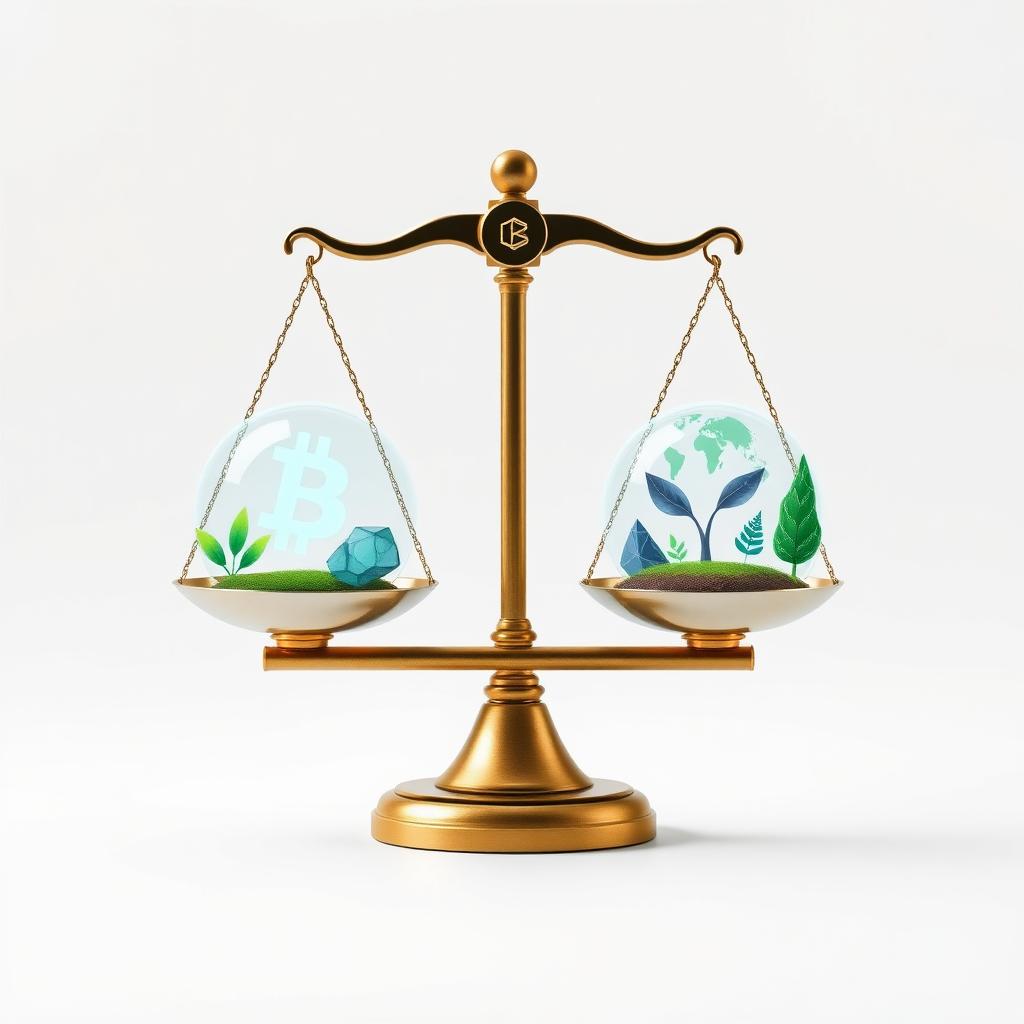
As we move into this new era, challenges like environmental impact and legal uncertainties remain, but the benefits—greater transparency, security, and accessibility—are undeniable. The integration of blockchain technology into the art market is not just a trend but a sweeping change that enhances the entire ecosystem.
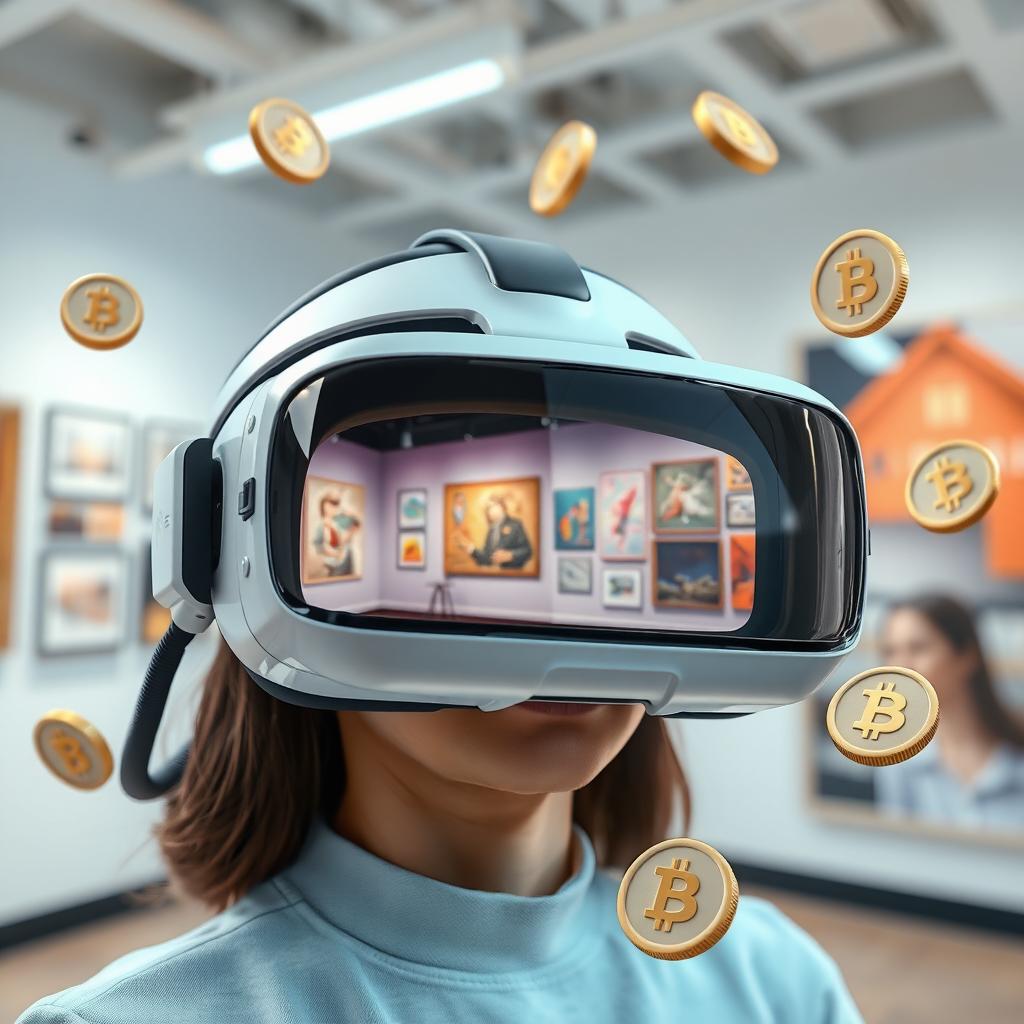
In summary, blockchain technology is transforming the art market by ensuring authenticity, enabling fractional ownership, and empowering digital artists through NFTs. While challenges persist, the reforms and innovations blockchain introduces promise a more inclusive and innovative art world.
Recommended Readings
-
The Future of Digital Art: Trends and Predictions - A comprehensive look at the trajectory of digital art and blockchain's role in it.
-
Creative Tools for Digital Artists - Insights into the tools available for digital artists to innovate.
-
Firefox Focus vs DuckDuckGo: which mobile browser is more private? - A discussion on privacy tools that could complement privacy in art transactions.
-
Online Privacy Tools - Essential tools for maintaining privacy online.
-
Blockchain and the Art Market: A New Era - An article delving deeper into blockchain's impact on the art world.