The Impact of Automation on the Workforce: Opportunities, Challenges, and the Role of Secure Cloud Storage
Overview: The Automation Revolution and Its Workforce Implications
Automation is transforming how we work, bringing efficiency and innovation but also uncertainty for employees. From factories to offices, The Impact of Automation on the Workforce is profound, raising questions about job security, skill demands, and data privacy. Secure cloud storage solutions like Internxt and Mega play a vital role in this shift, ensuring sensitive workplace data remains protected.
What Is Automation and Why Does It Matter?
Automation refers to technology performing tasks with minimal human input. Think of robots assembling cars or software handling customer inquiries. It’s not new—think of the Industrial Revolution—but today’s automation, powered by artificial intelligence (AI) and machine learning, is faster and smarter. A McKinsey report estimates that up to 30% of the global workforce could be displaced by automation by 2030, while new roles will emerge, demanding fresh skills. This dual nature—displacement and opportunity—defines The Future of Automation.
I’ve seen this firsthand in my interactions with businesses adopting automation. A friend who manages a small retail chain shared how automated inventory systems cut costs but left some employees worried about their roles. It’s a common story: automation boosts productivity but sparks fear. The key is understanding both sides to prepare effectively.
The Benefits of Automation for Workers and Businesses
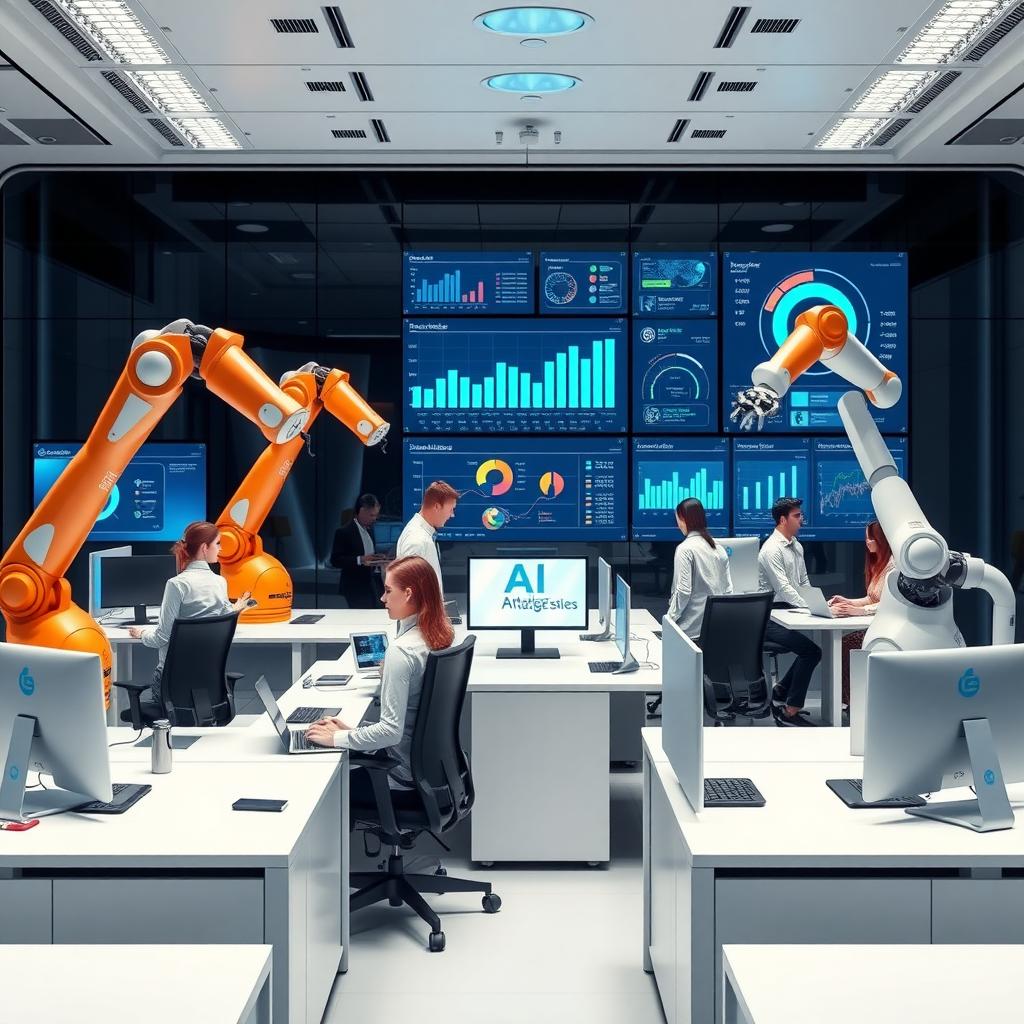
Automation isn’t just about replacing jobs—it’s about enhancing them. Here are some key benefits:
- Increased Efficiency: Automated systems handle repetitive tasks like data entry, freeing workers for creative or strategic roles.
- Cost Savings: Businesses save on operational costs, which can be reinvested in employee training or innovation.
- Improved Accuracy: Machines reduce human error, especially in data-heavy tasks like financial reporting.
- New Opportunities: Automation creates demand for roles in AI development, cybersecurity, and tech support.
For example, a Deloitte study highlights that 30% of tech leaders report rapid AI adoption, driving demand for skilled workers. This shift can empower employees to focus on meaningful work, provided they adapt.
The Challenges Automation Brings to the Workforce
Despite its benefits, automation poses challenges:
- Job Displacement: Routine roles like assembly line work or basic customer service are at risk. McKinsey predicts 400 million workers could be displaced globally by 2030.
- Skill Gaps: Workers need to learn new skills, like coding or AI management, which can be daunting.
- Employee Resistance: As noted in an Internxt blog, teams may fear job loss, slowing adoption.
- Economic Inequality: High-skill workers benefit more, potentially widening income gaps.
I recall a conversation with a factory worker who felt automation made his job feel less secure. His story underscores the need for reskilling programs to bridge these gaps.
Navigating the Future of Automation: Strategies for Workers
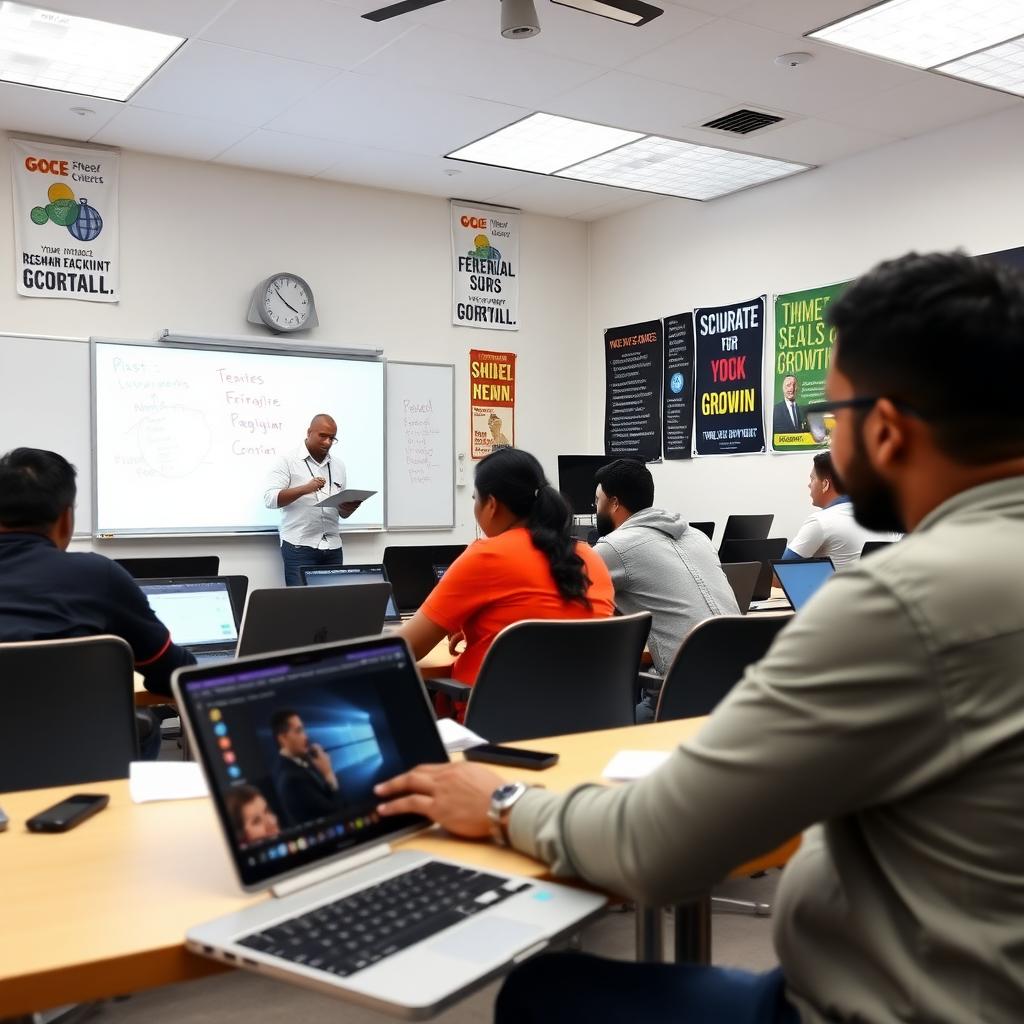
To thrive in an automated world, workers and businesses must adapt. Here’s how:
- Upskilling: Learn in-demand skills like data analysis or cloud management. Online platforms like Coursera offer accessible courses.
- Embrace Collaboration: Work alongside automation tools, not against them. For instance, use AI to enhance decision-making.
- Advocate for Training: Push employers to invest in reskilling programs. A Rockwell Automation report emphasizes workforce development as critical.
- Focus on Soft Skills: Creativity and emotional intelligence remain human strengths automation can’t replicate.
I’ve advised friends to explore free coding bootcamps or AI workshops, which helped them pivot to new roles. It’s about staying proactive.
The Role of Secure Cloud Storage in Automation
Automation relies on data, and protecting that data is crucial. Online privacy is a growing concern as businesses store sensitive employee and customer information in the cloud. This is where secure cloud storage providers like Internxt and Mega come in. Both offer robust solutions, but how do they compare?
| Feature | Internxt | Mega |
|---|---|---|
| Encryption | End-to-end, post-quantum | End-to-end, zero-knowledge |
| Free Storage | 1GB | 20GB |
| Open-Source | Yes, on GitHub | No |
| Pricing | €7/TB/month | Higher, varies by plan |
| Speed | Fast, optimized | Slower for large files |
| Sustainability | 92% renewable energy | Not emphasized |
Internxt vs Mega: comparison of secure cloud storage shows Internxt’s edge in transparency and eco-friendliness, while Mega offers more free storage. For businesses adopting automation, choosing a provider with strong online privacy tools ensures compliance with regulations like GDPR. Internxt’s open-source code and post-quantum encryption make it a forward-thinking choice, as noted in a Cloudwards review.
Why Online Privacy Matters in an Automated World
Automation systems collect vast amounts of data—employee schedules, customer preferences, and more. Without proper safeguards, this data is vulnerable to breaches. Online privacy tools like zero-knowledge encryption ensure only authorized users access sensitive information. For example, Internxt’s decentralized model scatters data across nodes, reducing breach risks. Mega, while secure, has faced criticism for slower speeds and past privacy concerns. Choosing the right provider protects both businesses and workers, fostering trust in automated systems.

Preparing for the Future of Work
The Future of Automation is bright but requires preparation. Businesses should invest in training and transparent communication to ease employee concerns. Workers must embrace lifelong learning to stay relevant. Secure cloud storage, like Internxt or Mega, supports this transition by safeguarding data, enabling seamless automation. By balancing technology with human ingenuity, we can create a workplace where automation empowers, not replaces, people.
Summary: Embracing Automation with Confidence
Automation is reshaping the workforce, offering efficiency and new opportunities while posing challenges like job displacement and skill gaps. Secure cloud storage solutions like Internxt and Mega ensure data privacy, a critical component of automation. By upskilling, collaborating, and prioritizing online privacy, workers and businesses can navigate this transformation successfully.