The Future of Digital Art: Trends and Predictions
Digital art is evolving rapidly, driven by technological advancements and changing artistic expressions. This article explores current trends and future predictions in digital art, offering insights into how artists and the art world are adapting to these changes.
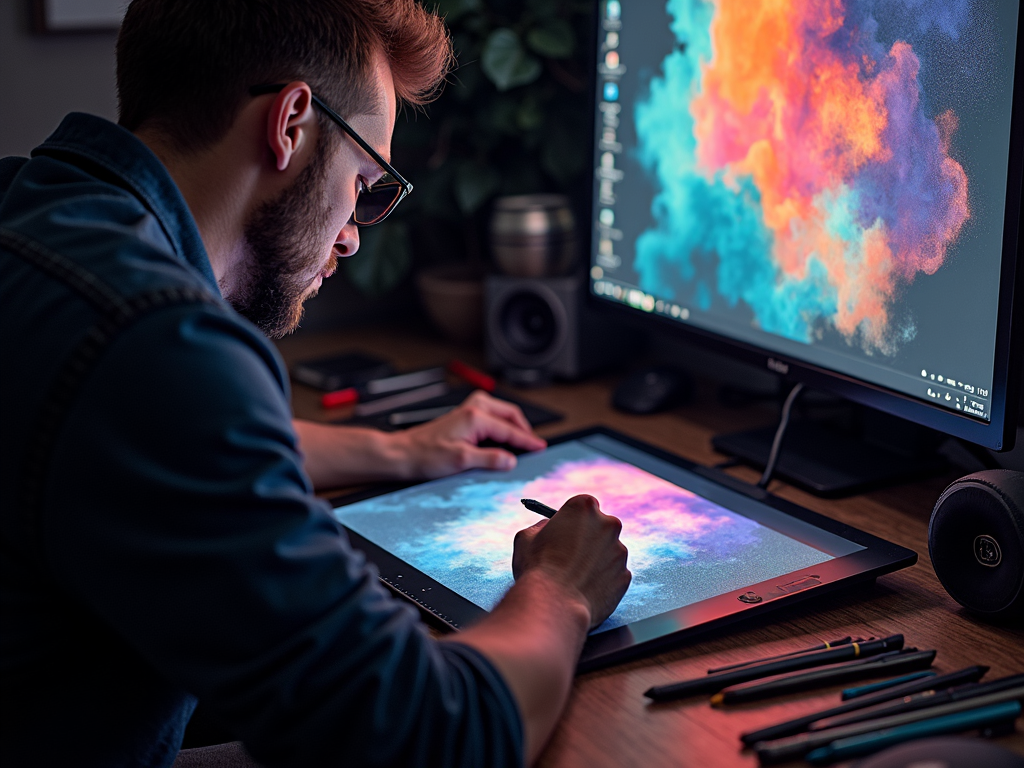
Digital art has transcended its niche status to become a mainstream form of creative expression. Artists today leverage cutting-edge tools and software to produce works that push the boundaries of imagination. Resources like Creative Tools for Digital Artists highlight the latest innovations in software and hardware, from sophisticated drawing tablets to programs that mimic traditional painting techniques. These tools empower artists to experiment with new styles and techniques, making digital art more accessible and versatile than ever before.
One of the most significant trends is the rise of AI-generated art. Artists are increasingly using artificial intelligence to create pieces that were once unimaginable. AI allows for the generation of dynamic, ever-evolving artworks that adapt based on algorithms, adding a new layer of complexity and interactivity to digital art. This trend is not just about automation; it’s about expanding the creative possibilities of what art can be.
Virtual and augmented reality (VR and AR) are also transforming the digital art landscape. Artists are creating immersive experiences that invite viewers to step into their creations, blurring the lines between the physical and digital worlds. These technologies enable a level of engagement that traditional art forms cannot match, offering viewers a chance to interact with art in ways that feel personal and profound.
Social media platforms have become the new galleries for digital artists, providing a global stage to showcase their work. This shift has democratized the art world, allowing artists to gain recognition and build audiences without relying on traditional gallery representation. Platforms like Instagram and TikTok are not just tools for sharing; they are integral to how digital art is consumed and appreciated today.
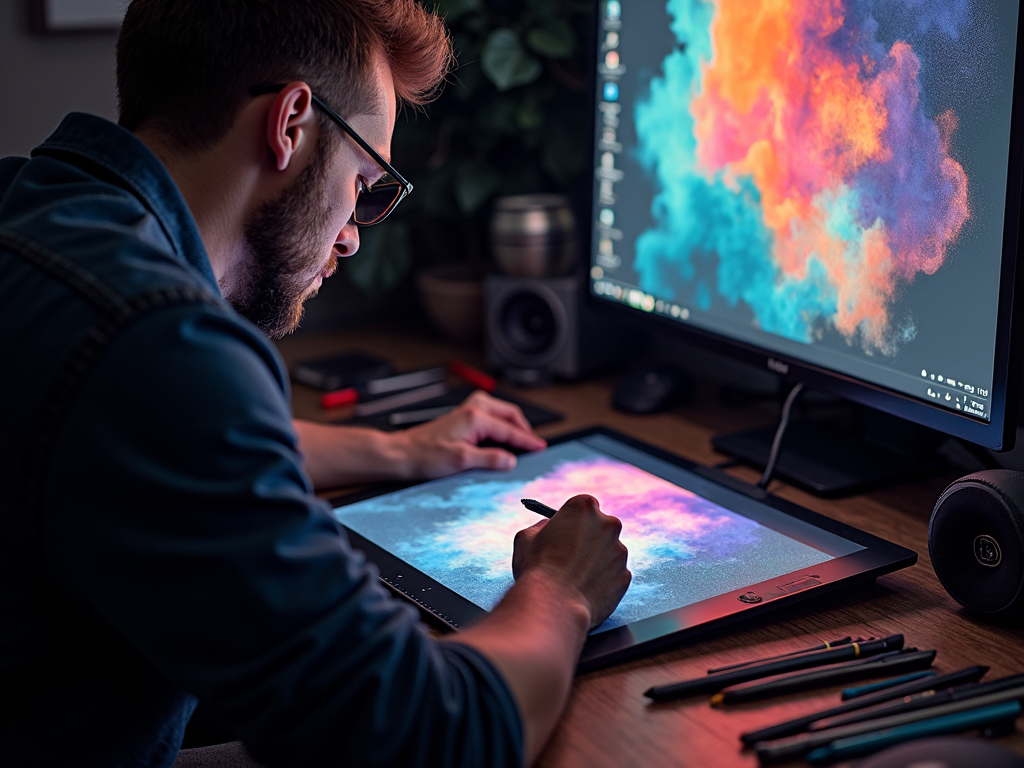
Looking ahead, the future of digital art promises even more innovation. AI and machine learning will likely play an even larger role, not just as tools for creation but as collaborators in the artistic process. Artists may soon work alongside AI to produce hybrid works that blend human creativity with machine intelligence, leading to entirely new forms of art.
Blockchain technology and non-fungible tokens (NFTs) are set to revolutionize how digital art is bought, sold, and owned. These technologies address long-standing issues of copyright and ownership in the digital realm by providing a secure way to authenticate and trade digital artworks. As a result, digital art could become a more viable investment, with artists gaining greater control over their work’s value and distribution.
Artistic styles and techniques will continue to evolve as new tools emerge. We may see a fusion of traditional and digital methods, resulting in unique hybrid art forms that combine the tactile appeal of physical media with the flexibility of digital creation. This blending could lead to a renaissance of sorts, where the boundaries between different art forms become increasingly fluid.
The way we experience digital art is also poised for change. With advancements in VR and AR, future art exhibitions could be entirely virtual, accessible to anyone with an internet connection. This shift would make art more inclusive, allowing people from all over the world to engage with works they might never have seen otherwise.
In the digital age, privacy is a critical concern for artists who share their work online. Protecting personal information and the integrity of their creations is paramount. Tools like Firefox Focus vs DuckDuckGo: which mobile browser is more private? help artists maintain their privacy while browsing and sharing their work. These browsers offer enhanced privacy features, such as blocking trackers and encrypting data, which are essential for safeguarding sensitive information.
Online privacy tools are indispensable for artists looking to protect their creations from unauthorized access or misuse. These tools can prevent data breaches and ensure that artists’ work remains their own. As digital art becomes more prominent, the need for robust privacy measures will only grow.
The digital art community is increasingly vocal about online privacy issues. Artists are advocating for better protections and educating themselves on how to secure their work and personal data. This awareness is crucial in an era where digital theft and privacy violations are all too common.
The future of digital art looks incredible, with better tools, AI helpers, and new ways to see and own art. Privacy is key, though—artists need to protect their work and info as they share it online.
- "Digital Art Revolution: How Technology is Changing the Art World" - A deep dive into how technology is reshaping art.
- "AI and Art: A New Frontier" - Exploring the intersection of AI and artistic creation.
- "Privacy in the Digital Age: A Guide for Artists" - Practical tips for artists to protect their privacy online.