Understanding Data Brokers and Your Privacy: Take Control of Your Data
Overview
Every time you browse online, shop, or sign up for a service, your personal data is likely being collected and sold by data brokers. These companies create detailed profiles about you, often without your knowledge. This article dives into Understanding Data Brokers and Your Privacy, offering practical steps to reclaim control over your data.
What Are Data Brokers?
Data brokers are companies that gather, analyze, and sell your personal information. From your name and address to your browsing habits and purchase history, they collect it all. Imagine a giant database piecing together your life—down to your favorite coffee shop or recent vacation. It’s unsettling, but it’s happening daily.
These brokers pull data from public records, social media, loyalty programs, and even apps you use. For example, I once noticed ads for a product I’d only mentioned in a private email. That’s no coincidence—it’s the work of data brokers selling my info to advertisers. Their goal? Help businesses target you with ads or assess risks for things like insurance or loans.
Why Data Brokers Are a Privacy Problem
The biggest issue is consent—or the lack of it. Most people don’t know their data is being sold, let alone to whom. This lack of transparency can lead to risks like identity theft, unwanted marketing, or even discrimination. For instance, a data breach at a broker could expose your address or financial details, leaving you vulnerable.
In 2024 alone, over 1 billion sensitive data points were leaked due to breaches, many tied to data brokers. Without strong regulations, these companies operate in a gray area, prioritizing profit over privacy. It’s why Understanding Data Brokers and Your Privacy is critical for anyone online.

How to Shrink Your Digital Footprint
Reducing your exposure starts with awareness. How to Shrink Your Digital Footprint isn’t about going off the grid—it’s about being smart with your data. Here are practical steps I’ve used to limit what brokers can access:
- Limit App Permissions: Check your phone’s app settings. If a weather app wants your location 24/7, say no. I once caught a game app tracking my location for no reason—turned it off immediately.
- Use Private Browsing: Browsers like Firefox or Brave block trackers by default. Switching to these cut down on creepy ads following me online.
- Opt Out of Data Sharing: Many websites let you opt out of data collection in their privacy settings. It’s tedious, but I’ve done it for major platforms like retail sites and social media.
You can also request data brokers to remove your information. Sites like PrivacyHawk or DeleteMe make this easier by contacting brokers on your behalf. It’s not foolproof, but it’s a start. I tried this with a few brokers and saw fewer spam emails within weeks.
Top Online Privacy Tools You Should Be Using
Protecting your privacy doesn’t mean you need to be a tech expert. There are user-friendly tools designed to keep your data safe. Here are my top picks for Top Online Privacy Tools You Should Be Using:
| Tool | What It Does | Why I Like It |
|---|---|---|
| Incogni | Requests data removal from brokers | Automates the process, saving time |
| Privacy Badger | Blocks trackers automatically | Works quietly in the background |
| NordVPN | Encrypts your internet connection | Great for public Wi-Fi safety |
| uBlock Origin | Blocks ads and trackers | Lightweight and customizable |
These online privacy tools are game-changers. For example, I use NordVPN when traveling to keep my data secure on hotel Wi-Fi. Privacy Badger has also stopped countless trackers without me lifting a finger. Combining these tools creates a strong defense against data brokers.
How to Set Up Incogni to Delete Personal Data
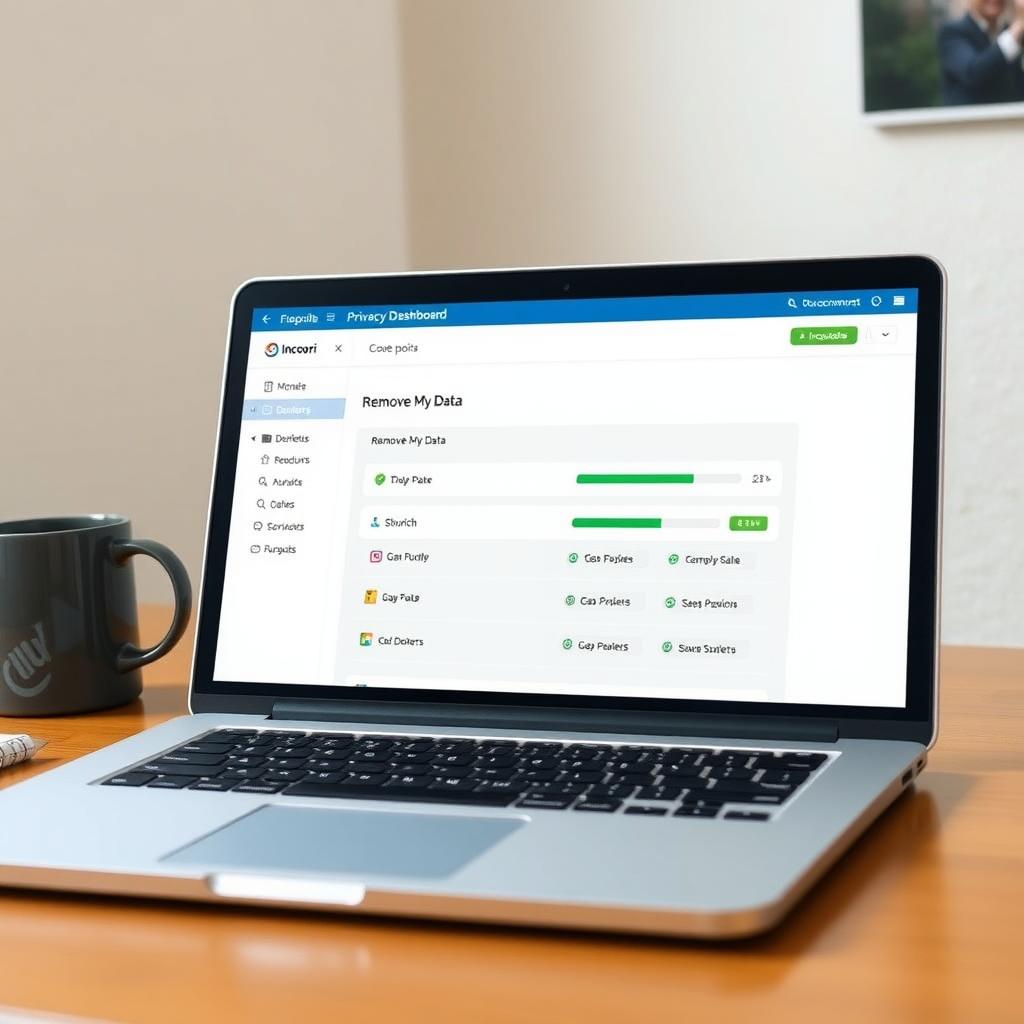
Incogni is one of the easiest tools to reduce your digital footprint. Here’s a step-by-step guide on How to Set Up Incogni to Delete Personal Data, based on my own experience:
- Sign Up: Visit Incogni’s website and create an account. You’ll need to provide basic info like your name and email—ironic, I know, but they need it to find your data.
- Authorize Data Removal: Incogni asks for permission to contact brokers on your behalf. You’ll fill out a form with details like your address to help them locate your profiles.
- Let It Run: Incogni scans hundreds of brokers and sends opt-out requests. It took about a week for me to see progress, with regular updates on which brokers responded.
- Monitor Progress: Check Incogni’s dashboard for status updates. They’ll tell you which brokers have removed your data and which ones are pending.
I was surprised at how many brokers had my info—over 50 in my case! Incogni doesn’t catch every single one, but it significantly reduced my exposure. It’s like hiring a lawyer to deal with the paperwork for you.
The Bigger Picture: Why Privacy Matters
Data brokers aren’t just about annoying ads. They can influence major life decisions—think job applications, loan approvals, or even insurance rates. I once read about someone denied a loan because a broker’s profile flagged them as high-risk, based on shaky data. That’s the real-world impact of unchecked data collection.
The good news? Awareness is growing. Recent laws, like the California Consumer Privacy Act (CCPA), give you more control over your data. Enforcement actions against brokers are also picking up, with some fined for mishandling geolocation data. But until federal privacy laws catch up, it’s on us to protect ourselves.
Practical Tips for Ongoing Protection
Privacy isn’t a one-and-done task. Here are habits I’ve built to stay in control: - Check Privacy Policies: Before signing up for anything, skim the fine print. Look for terms like “third-party sharing.” - Use Disposable Emails: Services like Temp-Mail give you temporary email addresses for one-off sign-ups. - Freeze Your Credit: If you’re worried about identity theft, freezing your credit with agencies like Equifax is a solid move. I did this after a breach scare and it’s free.
These steps take effort, but they’re worth it. I’ve noticed fewer spam calls and targeted ads since being proactive. It’s empowering to know I’m not just a data point in someone’s database.
Summary
Data brokers operate in the shadows, collecting and selling your personal information without your consent. By Understanding Data Brokers and Your Privacy, you can take back control. Use tools like Incogni, adopt habits to Shrink Your Digital Footprint, and leverage Top Online Privacy Tools You Should Be Using. Privacy is a right—start protecting it today.