Unlocking Online Privacy: The Power of Cryptocurrencies
In a world where online privacy feels more vulnerable every day, cryptocurrencies shine as a promising solution. This article dives into how these digital currencies protect your personal data and reshape the way we handle transactions online.
What Are Cryptocurrencies?
Cryptocurrencies are digital currencies that rely on cryptography to stay secure. They run on decentralized networks, thanks to blockchain technology, meaning no banks or governments control them. This setup is a game-changer for online privacy because it cuts out middlemen who might track your every move.
Take Bitcoin, the original cryptocurrency. It lets you send money without sharing your name—just a string of letters and numbers tied to your wallet. That’s pseudonymous, not fully anonymous. For tighter privacy, coins like Monero and Zcash step it up with features that hide who’s sending what to whom.

Why Cryptocurrencies Matter for Online Privacy
Online privacy matters because our data is constantly at risk—think hackers, trackers, or even companies selling your info. Cryptocurrencies tackle this by letting you transact anonymously. Need to buy something without a paper trail? Want to donate to a cause without anyone knowing it’s you? Cryptocurrencies make it possible.
Picture this: a friend of mine once donated to a group fighting for free speech in a country where that’s risky. Using Monero, they kept their identity safe. That’s the kind of real-world power privacy-focused cryptocurrencies offer.
Here’s what they bring to the table: - No Identity Linked: Shop or send money without exposing who you are. - Safe Giving: Support causes privately. - Control: Skip the banks and keep your data yours.
How Blockchain Keeps Things Private
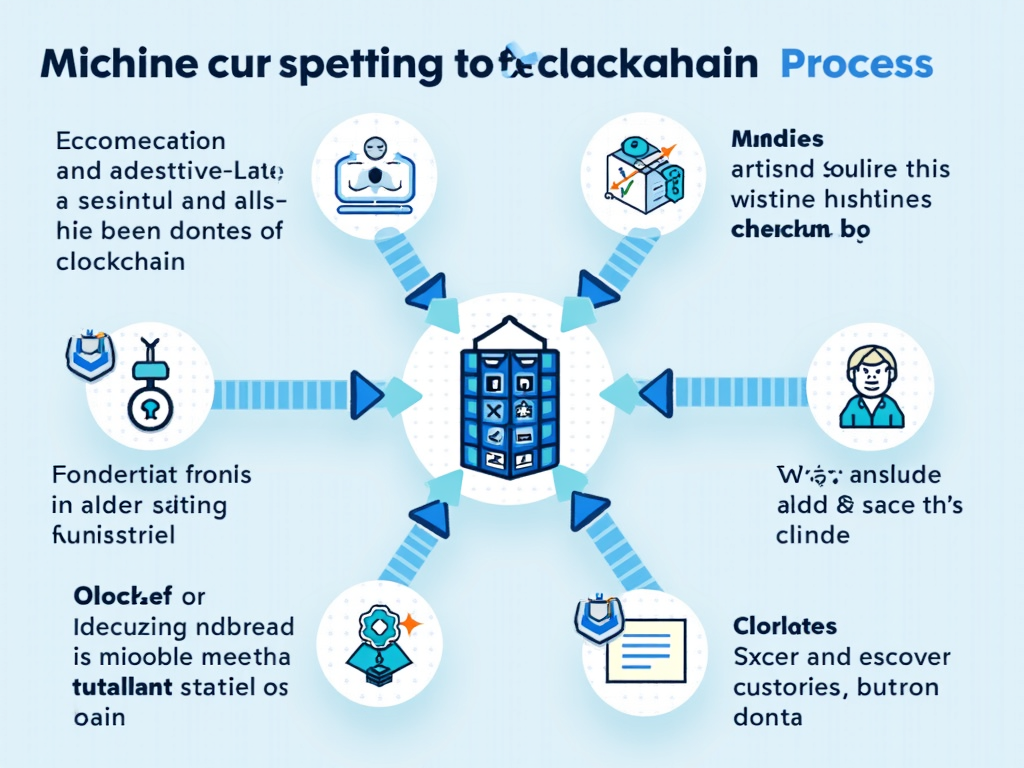
Blockchain is the tech behind cryptocurrencies. It’s like a public notebook that logs every transaction, but with a twist—everything’s encrypted. No one can see your name or details unless you want them to. This setup makes transactions secure and private.
For a deeper look, check out this explanation of blockchain from MIT. Bitcoin’s blockchain shows every deal, but not who’s behind it. Monero takes it further, scrambling details so even the amounts stay secret. That’s why understanding cryptocurrencies and their role in online privacy starts with grasping blockchain.
Comparing Privacy Coins
Not all cryptocurrencies protect privacy the same way. Here’s a quick rundown:
| Coin | Key Privacy Feature | Privacy Strength |
|---|---|---|
| Bitcoin | Pseudonymous addresses | Medium |
| Monero | Ring signatures | Very High |
| Zcash | Zero-knowledge proofs | Very High |
| Dash | Optional privacy mixing | Medium |
Monero and Zcash lead the pack for anyone serious about staying hidden online. Bitcoin’s more open, which can be fine for some but not for all.
Busting Myths About Crypto Privacy
People often think all cryptocurrencies hide everything. Not true. Bitcoin’s transactions are out there for anyone to see—you just don’t know who’s who unless you dig deep. Monero? Good luck figuring anything out. Another myth is that crypto’s only for shady stuff. Sure, some misuse it, but most folks use it to protect their privacy legally—like my friend’s donation.
The Electronic Frontier Foundation has great insights on why privacy tools like these matter for everyone.

Boosting Privacy with Crypto and More
Cryptocurrencies alone don’t solve everything. Pair them with other online privacy tools for the best defense. A VPN hides where you are, while a browser like LibreWolf stops trackers cold. I’ve used this combo myself—Monero for payments, a VPN for browsing—and it feels like locking the door and setting the alarm.
Try these: - VPNs: Mask your location. - Privacy Browsers: Block trackers. - Encrypted Apps: Keep chats private with tools like Signal.
What’s Next for Crypto and Privacy
The push for online privacy isn’t slowing down. With data breaches making headlines, cryptocurrencies could become a go-to shield. But watch out—governments might crack down, worried about losing control. The U.S. Treasury’s take on crypto hints at tighter rules ahead. Picking the right coin and staying sharp will keep your privacy intact.

Wrapping It Up
Cryptocurrencies aren’t just about money—they’re about taking back your online privacy. They let you shop, give, and move funds without leaving footprints for anyone to follow. Pair them with tools like VPNs, and you’ve got a solid plan to stay private. As the digital world shifts, knowing how to use these tools will keep you one step ahead.