2025 Privacy Laws and Consumer Protections Guide: Safeguarding Your Data
Overview
In 2025, protecting your personal data is more critical than ever. With eight new U.S. state privacy laws taking effect and global regulations tightening, consumers face both opportunities and challenges. This 2025 privacy laws and consumer protections guide offers clear steps to secure your online presence, including how to use tools like Incogni to delete personal data. Let’s dive into what these laws mean for you and how to stay safe online.
Why Privacy Laws Matter in 2025
Data breaches, identity theft, and invasive tracking are daily realities. Last year, over 2.6 billion personal records were exposed globally, according to Harvard University’s cybersecurity research. As someone who’s had their email spammed after a data leak, I know the frustration of losing control over personal information. The good news? New privacy laws in 2025 empower you to take back that control.
States like Delaware, Iowa, and Maryland are rolling out comprehensive privacy laws, joining pioneers like California. These laws give you rights to access, correct, and delete your data. They also require businesses to be transparent about data collection. But with great power comes responsibility—you need to know your rights and how to act on them.

Key 2025 Privacy Laws in the U.S.
The U.S. lacks a federal privacy law, so states are stepping up. In 2025, eight states—Delaware, Iowa, Nebraska, New Hampshire, New Jersey, Tennessee, Minnesota, and Maryland—enacted new privacy laws, covering about 43% of Americans, per Bloomberg Law. Here’s a quick look at some highlights:
| State | Effective Date | Key Features |
|---|---|---|
| Delaware | January 1, 2025 | Low threshold: applies to businesses processing data of 10,000+ consumers if 20% of revenue comes from data sales. |
| Iowa | January 1, 2025 | Limited rights: only opt-out of data sales, no profiling protections. |
| Maryland | October 1, 2025 | Strong focus on transparency and opt-out mechanisms. |
| New Jersey | January 15, 2025 | Unique opt-out for profiling with significant legal effects. |
These laws share common threads: you can request access to your data, correct inaccuracies, and opt out of targeted advertising. Some, like Minnesota, even let you see which third parties got your data. But each state has quirks, so check your local regulations.
Simple Steps to Lock Down Your Online Privacy
You don’t need to be a tech wizard to protect your data. Here are simple steps to lock down your online privacy that I’ve used myself:
- Review Privacy Settings: Check settings on social media, apps, and browsers. Turn off unnecessary data sharing, like location tracking on your phone.
- Use Strong Passwords: Create unique passwords with at least 12 characters. I use a password manager to keep track of mine securely.
- Enable Two-Factor Authentication (2FA): Add an extra layer of security to your accounts. It’s saved me from unauthorized logins more than once.
- Opt Out of Data Sharing: Use opt-out signals like Global Privacy Control (GPC), supported by states like California and Delaware.
- Limit Third-Party Cookies: In your browser settings, block third-party cookies to reduce tracking.
These steps take minutes but make a big difference. For example, after enabling GPC, I noticed fewer creepy ads following me around the web.

How to Set Up Incogni to Delete Personal Data
One of the best online privacy tools is Incogni, a service that automates the removal of your personal data from data brokers. Data brokers collect and sell your info—think addresses, phone numbers, even shopping habits. Incogni helped me scrub my info from dozens of sites. Here’s how to set up Incogni to delete personal data:
- Sign Up: Visit Incogni’s official site and create an account. It’s straightforward, just needing your email and payment details.
- Provide Info: Enter basic details like your name, address, and phone number. Incogni uses this to find where your data appears online.
- Authorize Requests: Incogni sends opt-out requests to data brokers on your behalf. You’ll need to authorize these via email.
- Track Progress: Use Incogni’s dashboard to monitor which brokers have removed your data. It’s satisfying to see the list shrink!
I was shocked to learn my info was on over 50 data broker sites. Within weeks, Incogni reduced that number significantly. It’s not free, but the peace of mind is worth it.
Top Online Privacy Tools for 2025
Beyond Incogni, other online privacy tools can keep your data safe. Here’s a curated list:
- NordVPN: Encrypts your internet connection to hide your activity from ISPs and hackers. I use it when browsing on public Wi-Fi.
- Privacy Badger: A browser extension that blocks trackers automatically. It’s free and easy to install.
- Signal: A secure messaging app with end-to-end encryption. Perfect for private chats.
- ProtonMail: An encrypted email service that doesn’t scan your emails for ads.
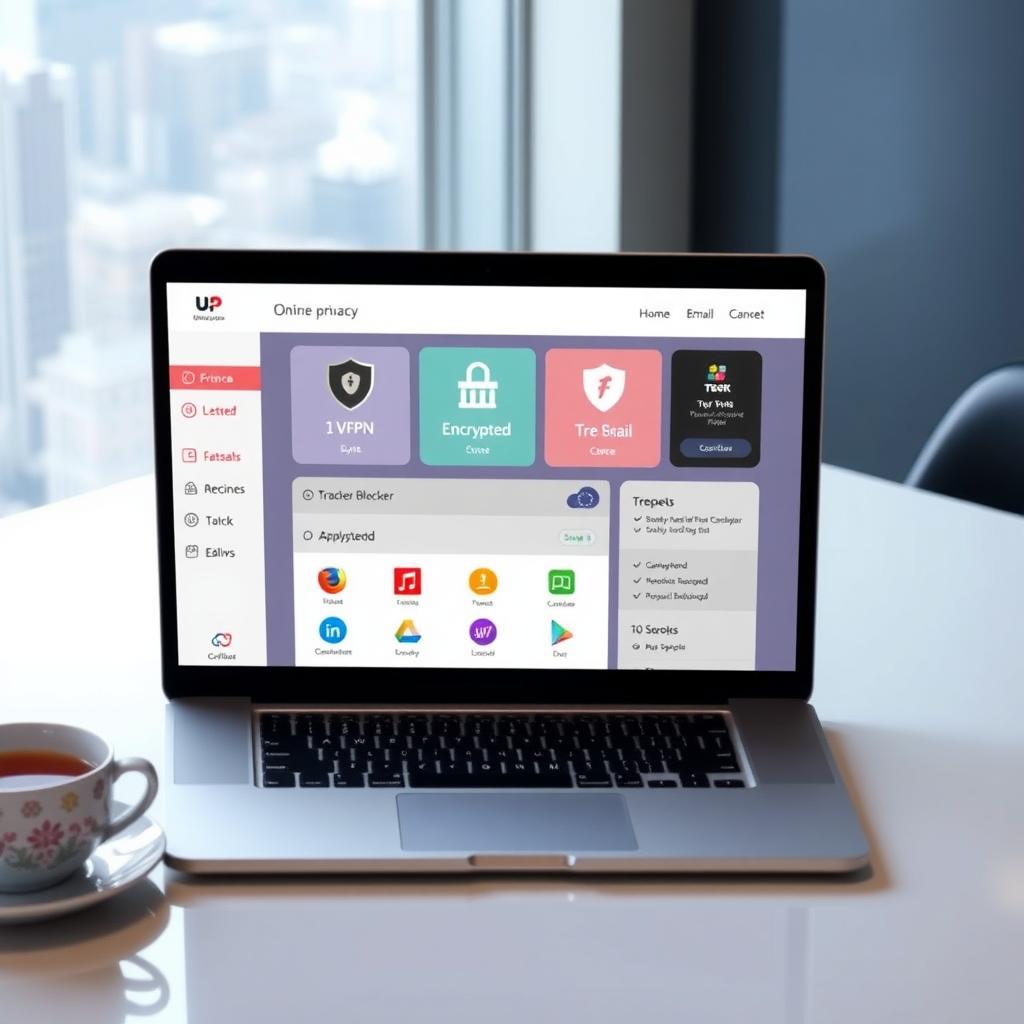
Each tool serves a purpose. For instance, Privacy Badger cut down on pop-up ads for me, while NordVPN ensures my data stays private on coffee shop Wi-Fi. Explore these tools to find what fits your needs.
Challenges and Tips for Staying Compliant
Businesses face a tough road with 2025’s privacy laws. If you run a small business, like my friend’s online store, you’ll need to update privacy policies and honor opt-out requests. Non-compliance can mean fines up to $10,000 per violation in states like Delaware, per Osano’s 2025 privacy guide. For consumers, the challenge is staying proactive. Set calendar reminders to review your data rights annually, and don’t hesitate to file complaints with state attorneys general if a company ignores your requests.
My tip? Start small. Pick one tool or step each month to boost your online privacy. Over time, these habits build a fortress around your data.
Summary
The 2025 privacy laws and consumer protections guide shows a shifting landscape where you have more control over your data than ever. By understanding new state laws, taking simple steps to lock down your online privacy, and using tools like Incogni, you can stay ahead of risks. Whether it’s opting out of data sales or encrypting your communications, every action counts. Stay informed, stay proactive, and keep your data yours.