The Importance of Regular Software Updates for a Secure Digital Life
Overview
Keeping your software updated is one of the simplest yet most effective ways to protect your digital life. Regular updates fix security flaws, improve performance, and safeguard your personal data. This article explores why updates matter, how to lock down your digital life, and practical tools like BleachBit to boost privacy.
Why Software Updates Are Non-Negotiable
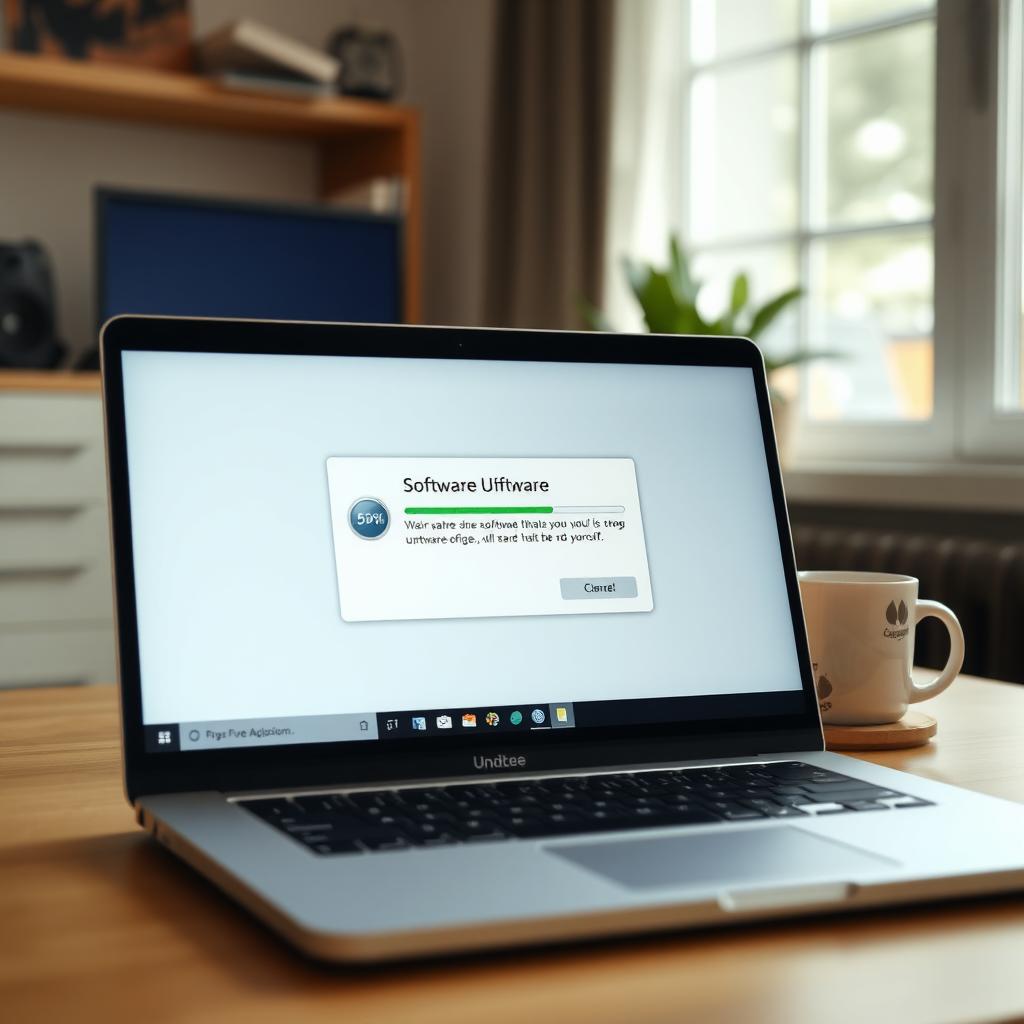
Imagine your computer or phone as a house. Every day, hackers try to find unlocked doors or broken windows to sneak in. Software updates are like fixing those weak spots before trouble strikes. They patch vulnerabilities that cybercriminals exploit to steal data or install malware. According to a 2023 cybersecurity report from NIST, unpatched software is a leading cause of data breaches, accounting for nearly 60% of successful cyberattacks. Ignoring updates is like leaving your front door wide open.
I learned this lesson the hard way. A few years ago, I delayed updating my laptop’s operating system because I didn’t want to deal with the restart. One day, I clicked a suspicious link, and my system got hit with ransomware. It was a wake-up call. Since then, I’ve made updates a priority, and I haven’t had a similar scare. The Importance of Regular Software Updates isn’t just a tech buzzword—it’s a real defense against chaos.
How Updates Protect Your Privacy
Updates do more than fix bugs. They often include security patches that protect your personal information. For example, browsers like Chrome or Firefox release updates to block trackers that follow your online activity. These trackers, used by advertisers or worse, can build detailed profiles of your habits. A study by the Electronic Frontier Foundation highlights how unpatched browsers can leak data to third parties without your knowledge. By keeping your software current, you’re taking a stand for online privacy.
Beyond browsers, apps like messaging platforms or banking tools also need updates. I once noticed my banking app behaving oddly—slow logins and random crashes. After updating, the issues vanished, and I later learned the update fixed a flaw that could’ve let hackers intercept my login details. It’s a small effort for a big payoff.
Two-Factor Authentication Made Simple
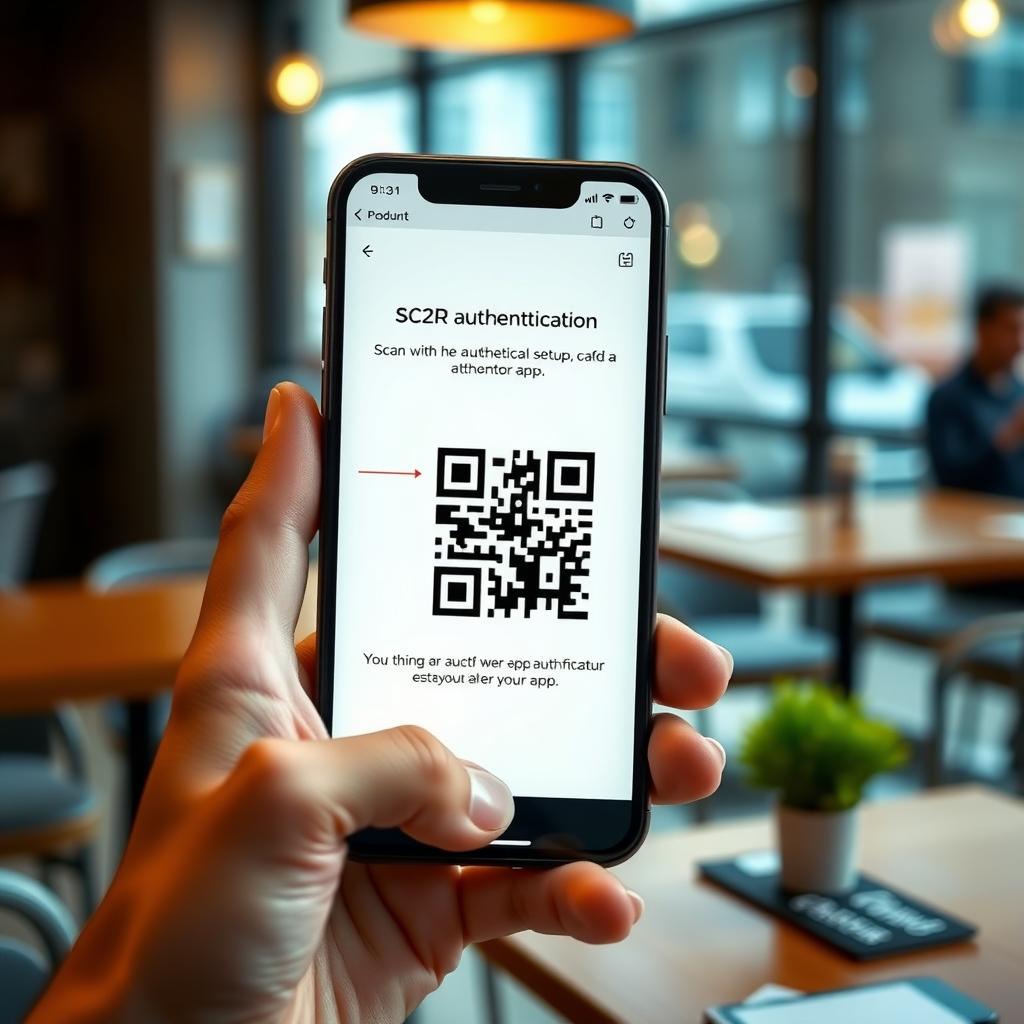
Updates alone aren’t enough. Pair them with Two-Factor Authentication Made Simple to add an extra layer of security. Two-factor authentication (2FA) requires two forms of verification—like a password and a code sent to your phone—before granting access to your accounts. It’s like locking your door and adding a deadbolt. According to Google’s Safety Center, enabling 2FA reduces the risk of account hacks by over 90%.
Setting up 2FA is easier than you think. Here’s how to do it:
- Check your account settings: Most services like Gmail, Facebook, or banking apps have a security section where you can enable 2FA.
- Choose a second factor: Opt for a text message code, an authenticator app like Google Authenticator, or a hardware key for maximum security.
- Follow the prompts: Scan a QR code or enter your phone number, then save your backup codes in a safe place.
- Test it: Log out and back in to ensure it works.
I use 2FA on all my critical accounts. Once, a hacker tried to access my email, but the 2FA code stopped them cold. It’s a small step that feels like a superpower.
Steps to Lock Down Your Digital Life
Securing your digital life goes beyond updates and 2FA. Here are practical Steps to Lock Down Your Digital Life that anyone can follow:
- Use strong, unique passwords: Avoid reusing passwords. A password manager like LastPass can generate and store them securely.
- Enable automatic updates: Set your devices to update automatically so you never miss a patch.
- Be cautious with public Wi-Fi: Use a VPN to encrypt your connection on public networks.
- Limit app permissions: Review which apps access your camera, location, or microphone and revoke unnecessary ones.
- Back up your data: Regular backups to an external drive or cloud service protect against data loss from attacks.
I follow these steps religiously. After my ransomware scare, I started using a VPN and noticed fewer creepy targeted ads. It’s empowering to know I’m in control.
How to Use BleachBit to Clean Your Computer for Privacy
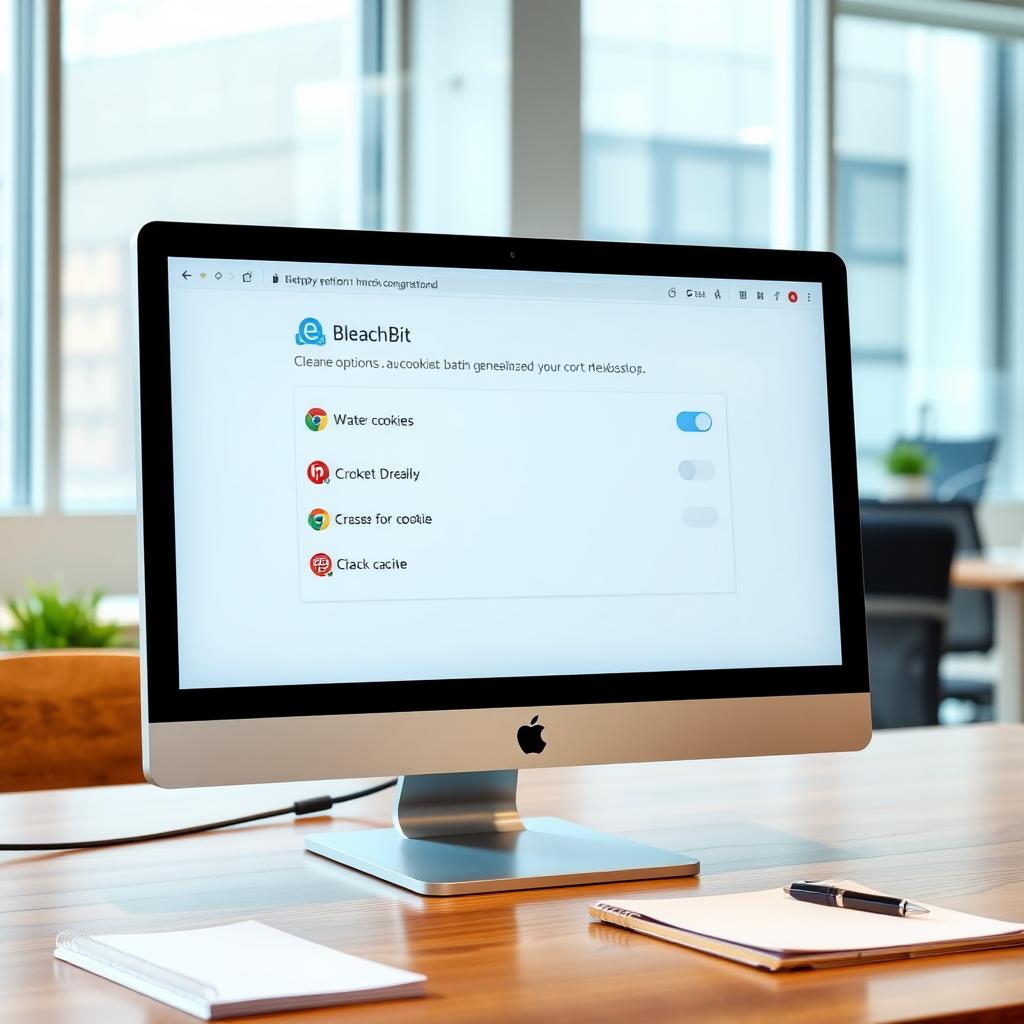
One of my favorite online privacy tools is BleachBit, a free, open-source program that cleans your computer by removing unnecessary files, cookies, and temporary data that could expose your activity. How to Use BleachBit to Clean Your Computer for Privacy is straightforward and effective for boosting privacy.
Here’s a step-by-step guide:
- Download BleachBit: Get it from the official BleachBit website to ensure you’re using a trusted source.
- Install and open: Follow the installation prompts and launch the program.
- Select cleaning options: Check boxes for items like browser cookies, cache, or temporary files. Be cautious with advanced options to avoid deleting critical data.
- Run the cleaner: Click ‘Clean’ and let BleachBit wipe the selected data.
- Review results: BleachBit shows how much space was freed and what was deleted.
I run BleachBit monthly, and it’s like giving my computer a digital detox. It clears out trackers and frees up space, making my system faster and more private.
Other Online Privacy Tools to Consider
BleachBit isn’t the only tool in the toolbox. Here are other online privacy tools worth exploring:
| Tool | Purpose | Why It Helps |
|---|---|---|
| Tor Browser | Anonymous browsing | Hides your IP address and blocks trackers |
| Signal | Encrypted messaging | Keeps your texts and calls private |
| ProtonVPN | Secure internet connection | Encrypts your data on public Wi-Fi |
| DuckDuckGo | Privacy-focused search | Doesn’t track your search history |
I’ve used Signal for years to chat with friends who value privacy. It’s reassuring to know our conversations stay between us. Combining these tools with regular updates creates a fortress around your digital life.
The Bigger Picture: Why It All Matters
Regular software updates, 2FA, and tools like BleachBit aren’t just tech chores—they’re about taking control in a world where data is currency. Cyberattacks are rising, with IBM’s 2024 report noting a 10% increase in data breach costs year-over-year. By staying proactive, you’re not just protecting your devices but also your peace of mind.
I’ve seen friends lose money and memories to hacks that could’ve been prevented. It’s not about being paranoid; it’s about being prepared. Small habits like updating your software or running BleachBit can make a huge difference.
Summary
The Importance of Regular Software Updates cannot be overstated—they’re your first line of defense against cyber threats. Pair them with Two-Factor Authentication Made Simple, follow Steps to Lock Down Your Digital Life, and use tools like BleachBit to clean your computer for privacy. Together, these practices create a secure, private digital life. Stay vigilant, keep learning, and protect what matters most.