Best Resources for Online Privacy Tools in 2025: Protect Your Digital Life
Overview
In 2025, keeping your personal information safe online is more important than ever. With data breaches and trackers lurking everywhere, using the best resources for online privacy tools in 2025 can make a huge difference. This guide dives into practical tools and steps to protect your digital life, including how to set up Incogni to delete personal data. Let’s explore how to stay secure with simple, effective solutions.
Why Online Privacy Matters
Every click, search, or post you make online leaves a digital footprint. Companies collect this data to target ads, but hackers can exploit it too. In 2025, over 2.6 billion personal records were exposed globally, according to recent reports. That’s why online privacy isn’t just a buzzword—it’s a necessity. Protecting your data means controlling who sees it and how it’s used.
The good news? You don’t need to be a tech expert to stay safe. With the right tools, you can shield your information from prying eyes. Whether it’s browsing privately, securing your emails, or removing your data from shady websites, this article covers the best resources for online privacy tools in 2025.

Top Online Privacy Tools for 2025
Let’s break down the best tools to keep your data secure. These are user-friendly, effective, and widely trusted based on my experience and research.
1. Virtual Private Networks (VPNs)
A VPN hides your internet activity by encrypting your connection. It’s like a secret tunnel for your data. I’ve used several VPNs, and they’re a game-changer for browsing safely, especially on public Wi-Fi.
Best VPNs for 2025: - NordVPN: Fast, secure, and great for streaming. It has over 5,000 servers worldwide. - ProtonVPN: Offers a free plan with strong privacy features, perfect for beginners. - Surfshark: Budget-friendly with unlimited device connections.
Tip: Choose a VPN with a no-logs policy to ensure your data isn’t stored. Check their privacy policy for transparency.
2. Password Managers
Weak passwords are an open door for hackers. A password manager creates and stores strong passwords for you. I started using one a few years ago, and it’s saved me from the headache of remembering dozens of logins.
Top Picks: - LastPass: Easy to use with a free tier. - 1Password: Great for families with secure sharing features. - Bitwarden: Open-source and free, with premium options for extra features.
Pro Tip: Enable two-factor authentication (2FA) for extra security wherever possible.
3. Data Removal Services
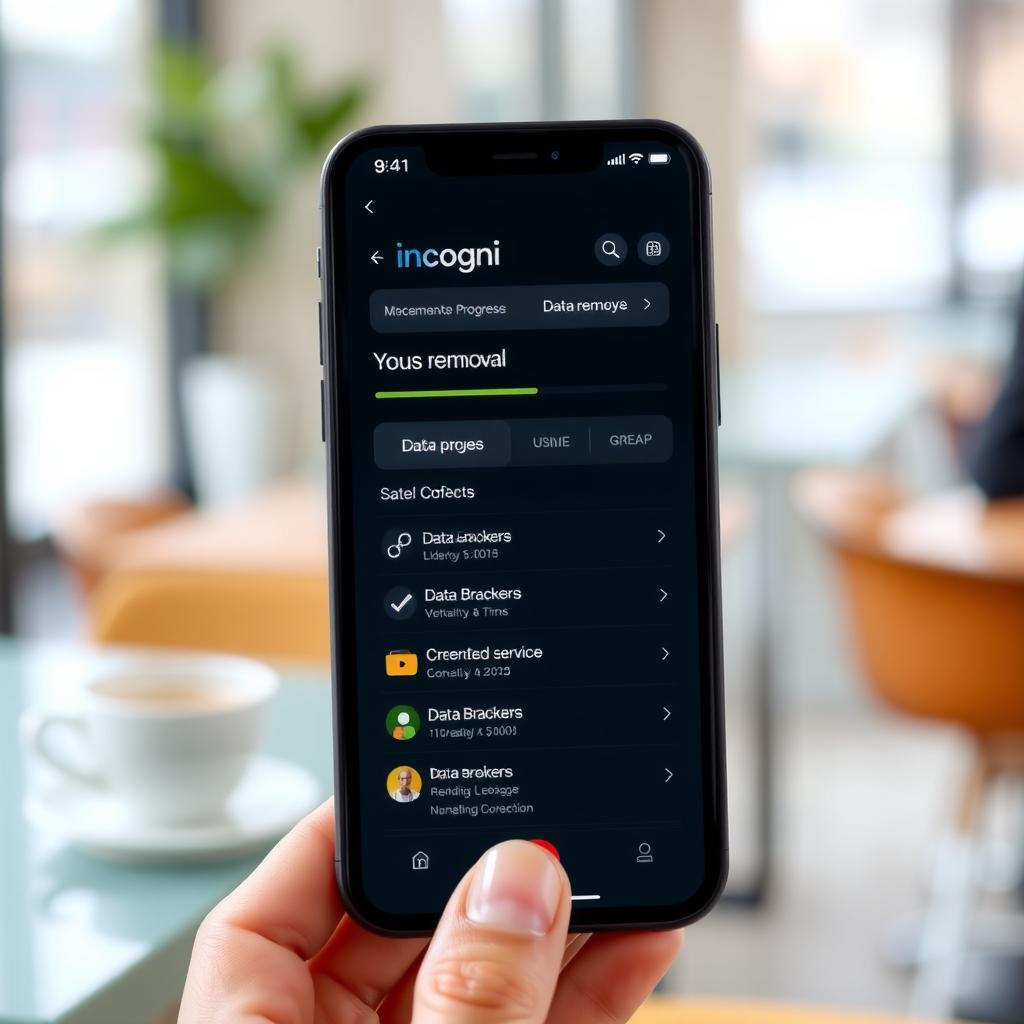
Your personal info—like your name, address, or phone number—might be floating around on data broker sites. Services like Incogni help remove it. I tried Incogni last year, and it was surprisingly simple to use. It scans the web for your data and requests its removal from sketchy databases.
How to Set Up Incogni to Delete Personal Data: 1. Sign Up: Visit Incogni’s website and create an account. 2. Provide Info: Enter basic details like your name and address securely. 3. Authorize Removal: Incogni identifies data brokers holding your info and sends removal requests. 4. Track Progress: Check the dashboard for updates on removal requests.
Incogni does the heavy lifting, but it’s not a one-time fix. Data brokers often repopulate, so ongoing monitoring is key.
Simple Steps to Lock Down Your Online Privacy
You don’t need to overhaul your digital life to stay safe. Here are practical steps I’ve used to secure my online presence:
- Use a VPN Daily: Turn it on before browsing, especially on public networks.
- Update Software Regularly: Hackers exploit outdated apps. Keep your phone and computer updated.
- Limit Social Media Sharing: Avoid posting sensitive details like your address or travel plans.
- Enable 2FA: Add this extra layer to your accounts, like email and banking.
- Check Privacy Settings: Review app permissions on your phone and revoke unnecessary access.
These steps take minutes but can save you from major headaches. I learned this the hard way after an app I used leaked my location data.
Browser Extensions for Extra Protection
Your browser can be a weak link if not secured. Extensions can block trackers and ads that collect your data. Here are my go-to picks:
- uBlock Origin: Blocks ads and trackers without slowing your browser.
- Privacy Badger: Automatically stops trackers that violate privacy.
- HTTPS Everywhere: Forces websites to use secure connections.
I noticed faster browsing and fewer creepy ads after installing these. They’re free and easy to set up.
Secure Communication Tools
Emails and chats can expose your data if not encrypted. For private conversations, I rely on these tools:
- Signal: End-to-end encrypted messaging, perfect for sensitive chats.
- ProtonMail: Secure email with a user-friendly interface.
- Tutamail: Another great encrypted email option with a focus on privacy.
Switching to Signal for family chats gave me peace of mind, knowing our messages were safe.
Choosing the Right Tools for You
Not every tool fits every lifestyle. If you’re a casual user, a free VPN like ProtonVPN and a password manager like Bitwarden are enough. For those handling sensitive work, like freelancers or remote employees, investing in premium tools like NordVPN or Incogni is worth it. I mix free and paid tools to balance cost and security.
When picking tools, check reviews from trusted sources like TechRadar or PCMag. Avoid flashy apps with vague privacy policies—they’re often more about marketing than protection.
Common Mistakes to Avoid
Even with the best tools, mistakes can expose you. Here’s what to watch out for:
| Mistake | Why It’s Risky | How to Fix It |
|---|---|---|
| Reusing passwords | Easy for hackers to crack | Use a password manager |
| Ignoring app permissions | Apps may access your camera or location | Review and limit permissions |
| Clicking suspicious links | Can install malware | Verify links before clicking |
I once clicked a phishing email by mistake, and it was a wake-up call to double-check everything.
Summary
Protecting your online privacy in 2025 doesn’t have to be overwhelming. By using the best resources for online privacy tools in 2025—like VPNs, password managers, and data removal services like Incogni—you can take control of your data. Start with simple steps to lock down your online privacy, like enabling 2FA and limiting what you share. With the right tools and habits, you’ll browse, chat, and shop with confidence.