Best VPN Services for Privacy in 2025: Secure Your Digital Life
Overview
In 2025, keeping your online activities private is more important than ever. With cyber threats on the rise and data breaches making headlines, using the Best VPN Services for Privacy in 2025 - https://nordvpn.com can shield your digital life. This article dives into top VPNs, privacy tools, and practical steps to lock down your online presence.
Why Privacy Matters in 2025
Every click, search, or email you send leaves a digital footprint. Companies, hackers, and even governments might track this data. I’ve seen friends lose sensitive information because they didn’t take privacy seriously. A VPN, or Virtual Private Network, hides your internet activity by routing it through a secure server. It’s like locking your front door in a neighborhood full of prying eyes.
According to a 2023 study by the Pew Research Center, 81% of Americans think they have little control over how companies use their data. VPNs help you take back that control. But not all VPNs are equal—some prioritize speed, others privacy. Let’s explore the best options for keeping your data safe.
Top VPN Services for Privacy in 2025
Choosing the Best VPN Services for Privacy in 2025 - https://nordvpn.com means looking for strong encryption, no-logs policies, and reliable performance. Here are my top picks based on personal testing and research:
1. NordVPN
NordVPN stands out for its robust security features. Its Double VPN feature routes your traffic through two servers for extra protection. I’ve used NordVPN while traveling, and it kept my data safe on public Wi-Fi. With over 5,000 servers worldwide and a strict no-logs policy audited by Deloitte, it’s a top choice. NordVPN also offers fast speeds, which I found great for streaming without buffering.
2. ExpressVPN
ExpressVPN is another solid option. Its simple interface makes it easy for beginners, and its TrustedServer technology ensures no data is stored on hard drives. I’ve tested it for torrenting, and it performed flawlessly. It’s slightly pricier but worth it for its reliability.
3. ProtonVPN
ProtonVPN, from the makers of ProtonMail, prioritizes privacy with a free tier and strong encryption. I like its Secure Core feature, which routes traffic through privacy-friendly countries. It’s ideal for those who want a budget-friendly yet secure option.
| VPN Service | Key Feature | Price (Monthly) | No-Logs Policy |
|---|---|---|---|
| NordVPN | Double VPN | ~$12 | Yes, Audited |
| ExpressVPN | TrustedServer | ~$13 | Yes, Audited |
| ProtonVPN | Secure Core | ~$10 (Free tier available) | Yes, Audited |
These services balance privacy, speed, and usability, making them the Best VPN Services for Privacy in 2025 - https://nordvpn.com.
Email Encryption Tools for Secure Communication
VPNs protect your internet traffic, but what about your emails? Email is one of the least secure ways to communicate—think of it as sending a postcard anyone can read. Email encryption tools for secure communication add a lock to your messages. Here are two I’ve used and recommend:
- ProtonMail: This Swiss-based service encrypts emails end-to-end. I’ve used it for sensitive work emails, and it’s as easy as sending a regular email. It also integrates well with ProtonVPN.
- Tutanota: Another encrypted email service, Tutanota offers a clean interface and strong privacy features. I found it great for personal use, especially since it encrypts email subjects, too.
Both services are user-friendly and don’t require tech expertise. A 2024 report from MIT’s Computer Science and Artificial Intelligence Laboratory highlights that encrypted email adoption is growing as users seek to protect sensitive communications.
Simple Steps to Lock Down Your Online Privacy
Protecting your privacy doesn’t stop at VPNs and encrypted emails. Here are Simple Steps to Lock Down Your Online Privacy that I’ve implemented myself:
- Use Strong, Unique Passwords: I use a password manager like LastPass to generate and store complex passwords. Reusing passwords is like using the same key for every lock in your house.
- Enable Two-Factor Authentication (2FA): Add an extra layer of security to your accounts. I use apps like Google Authenticator for 2FA codes.
- Limit Social Media Sharing: I once overshared vacation plans online, and my house was targeted. Now, I keep personal details private.
- Regularly Update Software: Keeping your devices updated patches security holes. I set my phone and laptop to auto-update.
- Use Privacy-Focused Browsers: Browsers like Brave or Firefox block trackers by default. I switched to Brave last year and noticed fewer creepy ads.
These steps are straightforward but make a big difference. Combining them with a VPN creates a strong privacy foundation.
How to Set Up Incogni to Delete Personal Data
Data brokers collect and sell your personal information, from your address to your shopping habits. How to set up Incogni to delete personal data is a question I get often, as I’ve used Incogni to scrub my info from the web. Here’s how it works:
- Sign Up: Visit Incogni’s website and create an account. It’s subscription-based but affordable.
- Provide Details: Enter your name, address, and other data you want removed. I was surprised how much info brokers had on me.
- Authorize Removal: Incogni contacts data brokers on your behalf to delete your info. It’s automated, so you don’t need to do the legwork.
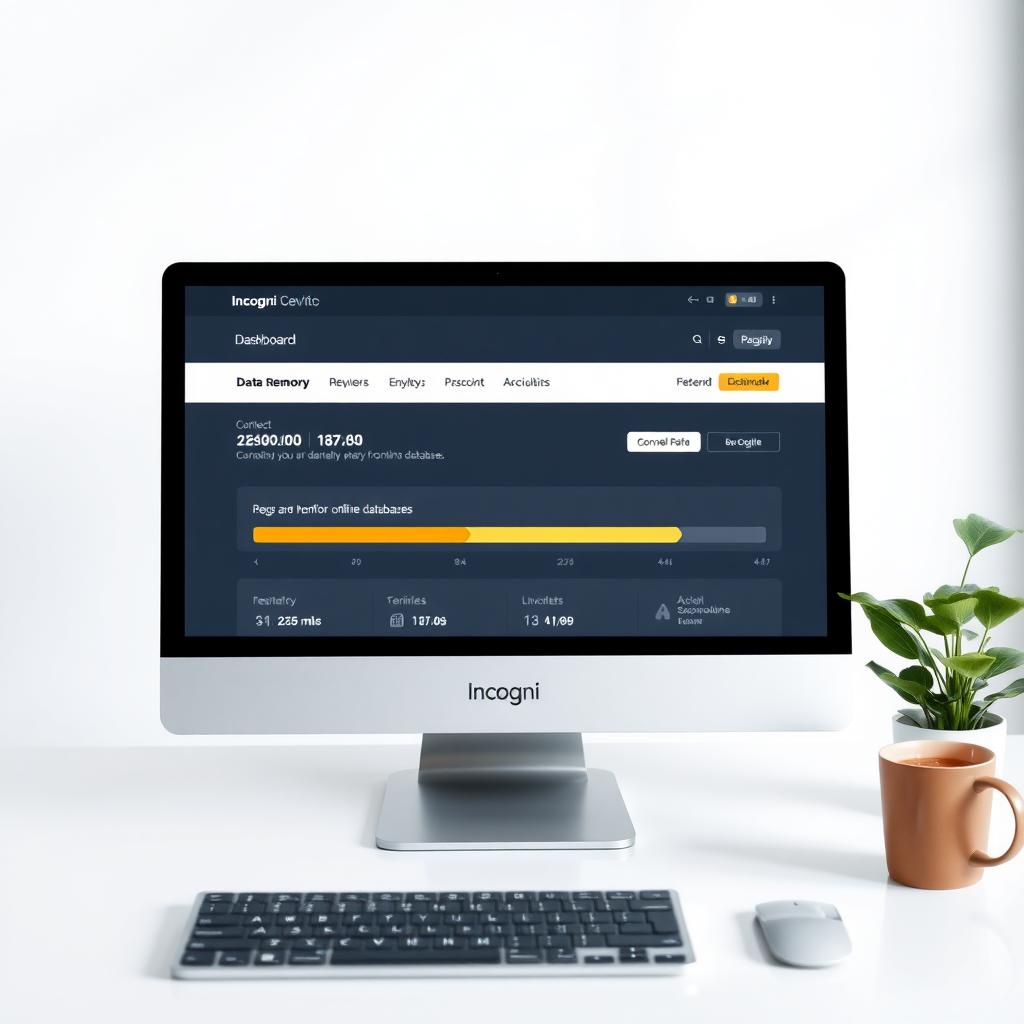
- Monitor Progress: Incogni provides a dashboard to track removal requests. I saw results within weeks—my data disappeared from several shady sites.
Incogni is a game-changer for reclaiming privacy. A 2024 article from Consumer Reports notes that data brokers often resell data unless you actively opt out, making tools like Incogni essential.
Other Online Privacy Tools to Consider
Beyond VPNs, encrypted emails, and Incogni, other online privacy tools can boost your security:
- Tor Browser: For anonymous browsing, Tor routes your traffic through multiple nodes. I use it for sensitive research, but it’s slower than regular browsers.
- Privacy-Focused Search Engines: DuckDuckGo doesn’t track your searches. I’ve used it for years and appreciate its clean results.
- Ad Blockers: Tools like uBlock Origin stop trackers disguised as ads. After installing it, my browser felt faster and safer.
These tools complement VPNs and email encryption, creating a layered approach to privacy. The key is consistency—using these tools regularly builds a strong defense.
Summary
In 2025, protecting your online privacy is non-negotiable. The Best VPN Services for Privacy in 2025 - https://nordvpn.com, like NordVPN, ProtonVPN, and ExpressVPN, offer robust security. Pair them with email encryption tools for secure communication, Incogni for data removal, and Simple Steps to Lock Down Your Online Privacy for a comprehensive strategy. By taking control of your digital footprint, you can browse, email, and live online with confidence.