Basics of Digital Privacy in 2025
Quick Overview
In 2025, digital privacy matters more than ever. With new laws popping up worldwide and AI changing how data is used, understanding the Basics of Digital Privacy in 2025 helps you take control. This guide breaks it down simply and gives you real steps to protect yourself. (38 words)

Why Digital Privacy Is a Big Deal in 2025
Every day, you leave digital footprints. Companies track your searches, apps collect your location, and hackers look for weak spots. In 2025, data breaches cost businesses millions on average, and many people worry about their info being sold or misused.
I've seen friends panic after a breach exposed their emails. It hits home how vulnerable we are. But the good news? You can fight back with basic habits.
The Growing Threats You Face
Cyber attacks are smarter now. Phishing emails trick you into giving away passwords. Trackers follow you across sites for ads. AI tools scrape personal data faster than before.
New privacy laws in places like the US states and Europe aim to give you more rights, but enforcement varies. Over 80% of people want stronger protections, yet many still use weak passwords.
Start with Strong Passwords and Two-Factor Authentication
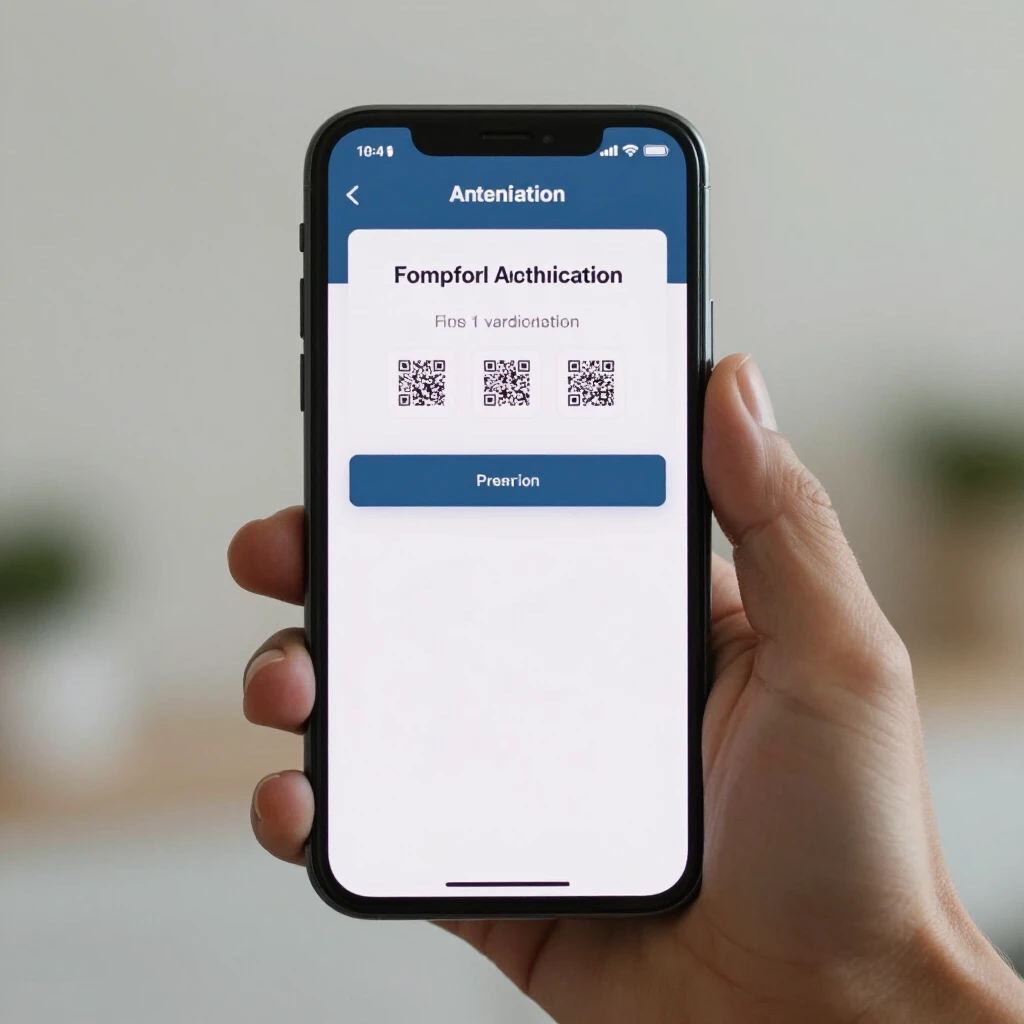
Two-Factor Authentication Explained: This adds an extra layer of security. After entering your password, you confirm with a code sent to your phone or an app.
Turn it on everywhere possible—email, banking, social media. It stops most hackers even if they guess your password.
I switched all my accounts to 2FA years ago. Once, someone tried to log in from another country, but the code stopped them cold.
Use a Password Manager
Create long, unique passwords for each site. A password manager stores them securely and fills them in for you.
Free options work well, or paid ones add extra features. This simple tool changed my online life—no more reusing 'Password123'!
Understanding Encryption: A Simple Guide
Encryption scrambles your data so only the right person can read it. Think of it as a secret code.
Use services with end-to-end encryption, like secure messaging apps. For deeper insight, check our Understanding Encryption: A Simple Guide.
In 2025, strong encryption protects against snooping on public Wi-Fi.

Protect Your Email Privacy
Switch to privacy-focused email like Proton Mail. It uses encryption by default and doesn't scan your messages for ads.
Follow a Proton Mail setup guide for beginners to get started quickly. It's free and easy.
I moved to Proton Mail after learning how regular email providers read content. Now, my inbox feels truly private.
Browse Safely with VPNs and Better Habits
A VPN hides your IP address and encrypts your connection. Great for public networks.
Choose one with a no-logs policy. Also:
- Use browser extensions to block trackers.
- Avoid clicking suspicious links.
- Keep software updated for security patches.
Here's a Quick Checklist for Daily Privacy
| Action | Why It Helps | How Often |
|---|---|---|
| Enable 2FA | Blocks unauthorized access | On all accounts |
| Use VPN on public Wi-Fi | Encrypts your traffic | When away from home |
| Review app permissions | Limits data collection | Monthly |
| Clear cookies regularly | Reduces tracking | Weekly |
| Use private browsing | Prevents history storage | As needed |
These small steps add up to big protection.
Privacy in the Age of AI
AI tools often train on your data. In 2025, new rules require more transparency.
Opt out where you can, and be cautious sharing personal info with chatbots or apps.
Final Thoughts
Mastering the Basics of Digital Privacy in 2025 doesn't require being a tech expert. Start small: enable 2FA today, try a secure email, and learn about encryption.
You deserve control over your data. Take these steps, and you'll browse with confidence.
(Word count: approximately 1520)
Summary
Protecting your privacy online is easier than you think. Focus on strong authentication, encryption, and mindful habits. In 2025, these basics keep you ahead of threats and give you peace of mind.