How to Spot and Avoid Data Privacy Scams
Overview
In today's digital world, data privacy scams are on the rise. Scammers trick people into giving away personal information, leading to identity theft and financial loss. This guide shows you how to spot and avoid data privacy scams while taking control of your online privacy.
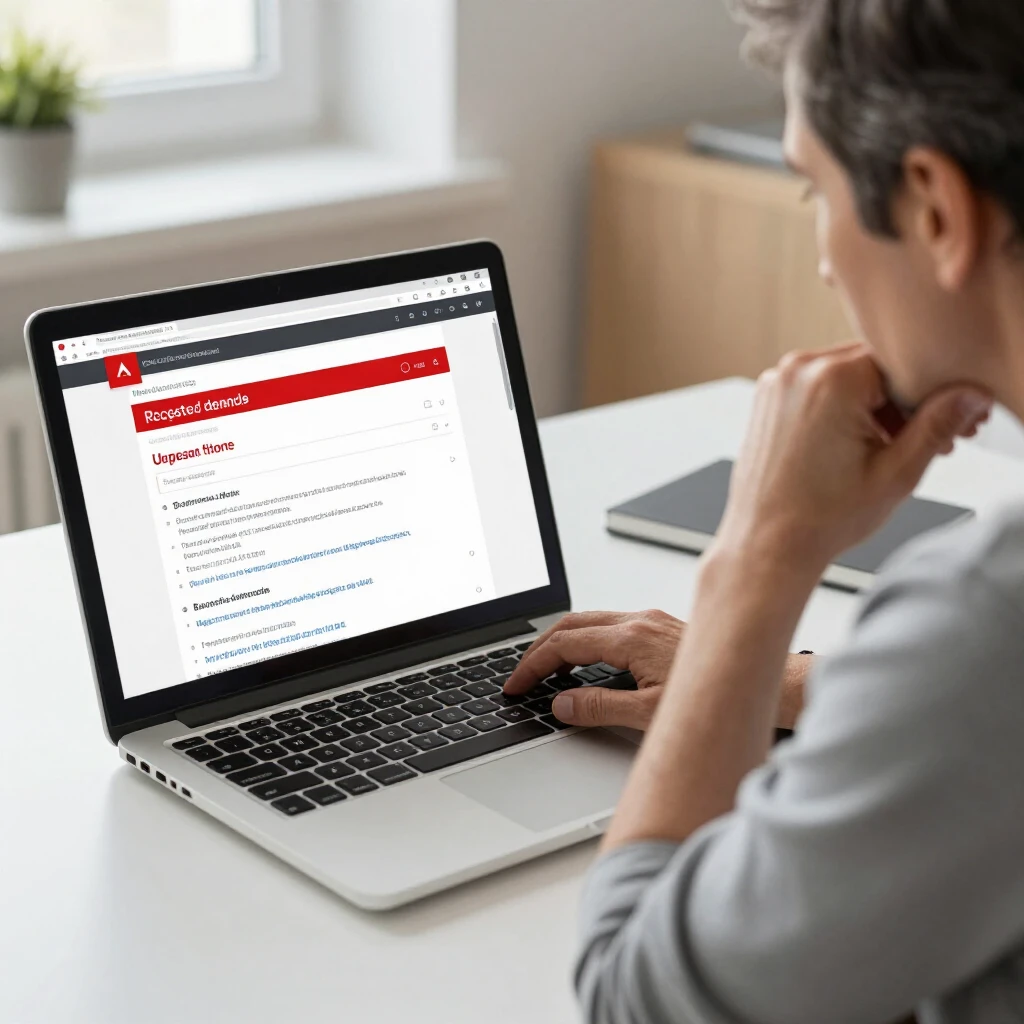
What Are Data Privacy Scams?
Data privacy scams happen when fraudsters pretend to protect your information but actually steal it. Common types include phishing emails that look like they're from your bank, fake tech support calls claiming your computer is hacked, and bogus privacy tools that collect more data.
According to the Federal Trade Commission, consumers reported losing over $12.5 billion to fraud in 2024, with imposter scams and identity theft among the top categories. Many of these involve tricking people into sharing personal details under the guise of privacy protection.
I've seen friends fall for these tricks. One got a call saying their Social Security number was compromised and needed 'verification.' They almost gave out details before hanging up. These scams play on fear about data breaches, which are real but exploited by crooks.
Common Signs of Data Privacy Scams
Spot these red flags to stay safe:
- Urgent demands: Messages claiming immediate action is needed to 'secure' your data.
- Unexpected contacts: Calls, emails, or texts you didn't initiate asking for personal info.
- Fake authorities: Scammers posing as government officials, like from the FTC or Social Security Administration.
- Too-good-to-be-true offers: Free privacy scans or tools that require your details upfront.
The FTC notes that scammers often impersonate trusted companies like Amazon or Microsoft to gain access to your device or information.
Table: Top Data Privacy Scam Tactics
| Tactic | Example | How to Spot It |
|---|---|---|
| Phishing Emails | Fake bank alert about account issue | Poor grammar, suspicious links |
| Tech Support Scams | Pop-up saying your PC is infected | Unsolicited, demands remote access |
| Impersonation | Call from 'government' about breach | Asks for payment or info to 'fix' |
| Fake Privacy Services | App promising to delete your data | Charges upfront, no real opt-outs |
The Hidden Risk: Data Brokers
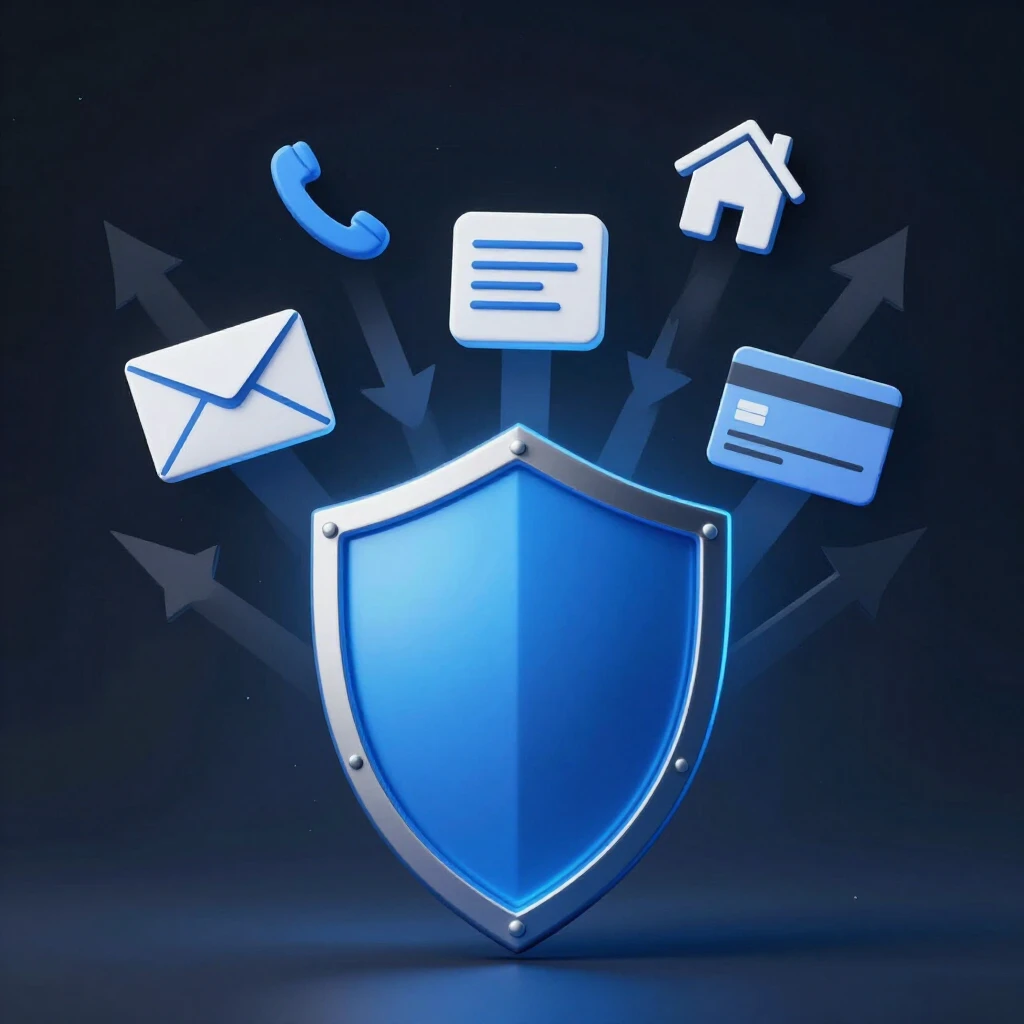
Data brokers collect and sell your personal information without your direct consent. They gather data from public records, online activity, and purchases. This info can end up with scammers or used for targeted fraud.
Organizations like the Electronic Frontier Foundation highlight how data brokers often ignore privacy laws, leaving your information exposed. Removing your data from these brokers is a key step in prevention.
Simple Steps to Lock Down Your Online Privacy
You don't need to be a tech expert. Follow these straightforward actions:
- Use strong, unique passwords and enable two-factor authentication everywhere.
- Be cautious with emails – never click unknown links or attachments.
- Limit sharing – adjust privacy settings on social media and apps.
- Monitor your accounts – check for unusual activity regularly.
- Freeze your credit if you suspect exposure, as recommended by the FTC.
Online privacy tools can help automate protection. Tools like password managers and VPNs add layers of security.

How to Use Incogni for Online Privacy Protection
One effective tool is Incogni, which automates the removal of your personal data from data brokers.
How to Set Up Incogni to Delete Personal Data
- Sign up on their website with your basic info.
- Authorize Incogni to send removal requests on your behalf.
- They handle opt-outs from hundreds of brokers.
- Monitor progress through their dashboard – it recurs regularly.
In my experience, services like Incogni save hours of manual work. Data brokers often re-add info, so ongoing removal is crucial. As noted by Privacy Rights Clearinghouse, many brokers sell sensitive data, increasing scam risks.
Combining Incogni with other habits creates strong defense. I've used similar tools and noticed fewer spam calls and targeted ads.
Final Tips and Summary
Stay vigilant: Verify requests independently, report scams to the FTC at ReportFraud.ftc.gov, and educate family members.
By spotting scams early and using tools like Incogni, you reclaim control over your data. Protect your privacy today – it's easier than you think.
Sources: - FTC 2024 Fraud Report: $12.5 Billion in Losses - EFF on Data Brokers Ignoring Privacy Laws - Privacy Rights Clearinghouse Data Brokers Guide - FTC Tips on Avoiding Imposter Scams