Why Encrypted Messaging Matters
In our connected world, your private conversations deserve real protection. Encrypted messaging keeps your messages safe from prying eyes. This article explains why encrypted messaging matters and how it safeguards your daily life. (38 words)
What Is Encrypted Messaging and How Does It Work?
Encrypted messaging uses end-to-end encryption (E2EE). Your message gets scrambled on your device before it leaves. Only the recipient's device can unscramble it. No one in between—not the app company, not hackers, not governments—can read it.
Think of it like sending a locked box. You lock it with a key only your friend has. Even if someone steals the box in transit, they can't open it.
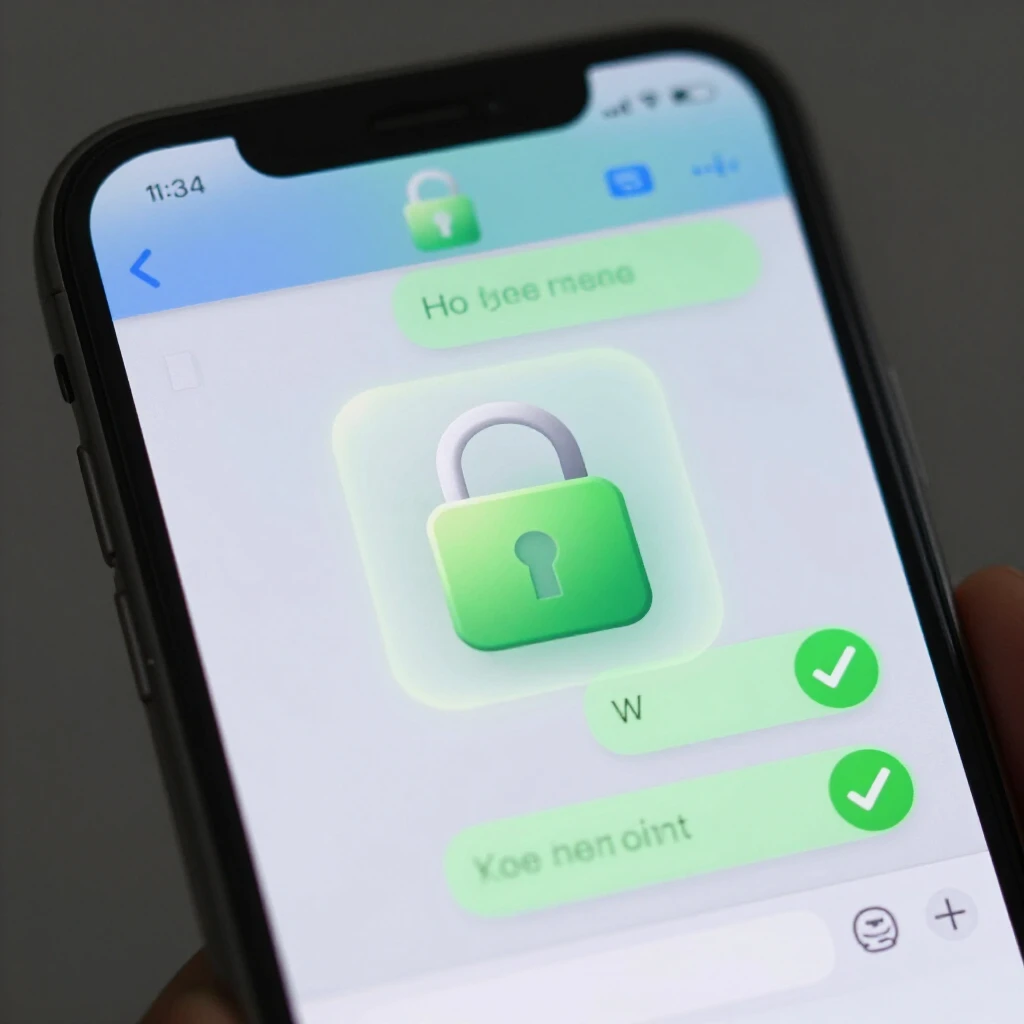
I switched to an encrypted app a few years ago after hearing about big data leaks. It gave me peace of mind when sharing personal details with family.
The Real Risks Without Encryption
Without encryption, your messages travel in plain text. Anyone intercepting them can read everything. This includes hackers, internet providers, or even app companies collecting data for ads.
Data breaches happen often. In major incidents like the Yahoo breach affecting billions, unencrypted data was stolen easily. Encrypted messages stay safe even if servers are hacked.
Governments and advertisers also watch unencrypted traffic. Your private chats could end up in databases without you knowing.

I've seen friends deal with identity theft after a breach. It takes years to fix. Encryption prevents that nightmare.
Why Encrypted Messaging Matters Today
We share sensitive info daily: bank details, health talks, family secrets. Encryption protects free speech, especially in places with heavy surveillance.
It stops mass data collection. Companies can't sell your chats if they can't read them.
For businesses, it builds trust. Customers prefer apps that respect privacy.
Experts like those at the Electronic Frontier Foundation stress E2EE as the gold standard for secure communication.
Top 10 Privacy Tools for 2025
Here are standout encrypted messaging apps and tools recommended for 2025 based on security audits and user privacy:
Top Encrypted Messaging Apps:
- Signal - Open-source, nonprofit, default E2EE for messages, calls, and groups. Top pick by experts.
- Threema - Paid, no phone number needed, Swiss-based for strong privacy.
- Session - Decentralized, no metadata collection, anonymous signup.
- Wire - Great design, E2EE, complies with EU laws.
- Briar - Peer-to-peer, works offline via Bluetooth, ideal for high-risk areas.
Broader Privacy Tools:
- Proton Mail - Encrypted email with calendar and drive.
- Element (Matrix) - Federated, self-hostable chats.
- Simplex Chat - No identifiers, extreme anonymity.
- Olvid - No servers store data, French security-focused.
- Molly - Hardened Signal fork for Android.
Start with Signal—it's free, easy, and secure. Many of my contacts switched, making group chats safer.
Understanding Online Privacy Laws: A Beginner’s Guide
Privacy laws set rules for handling your data. Here's a simple breakdown:
- GDPR (EU): Gives rights to access, delete, or port your data. Fines are huge for violations.
- CCPA/CPRA (California): Lets residents opt out of data sales and request deletions. Many US states now have similar laws.
- Others like LGPD in Brazil mirror these.
These laws push companies toward better privacy, including encryption. But they don't cover everything—use encrypted tools for full protection.
As a beginner, know your rights: You can often ask companies what data they hold on you.
DuckDuckGo: Beyond the Search Engine
DuckDuckGo started as a privacy-focused search engine that doesn't track you. Now it offers a browser, email protection, and app tracking blocker.
It blocks hidden trackers on sites and upgrades connections to encrypted versions. Pair it with encrypted messaging for everyday privacy.
I use their browser daily—it stops annoying targeted ads without effort.
The Future of Online Privacy Laws
By 2026, more US states will enforce comprehensive privacy laws, reaching over 20. Expect focus on AI decisions, kids' data, and health info.
Globally, GDPR influences new rules. Trends include stronger enforcement and neurodata protection.
Challenges remain: Balancing safety with privacy. Encrypted messaging will stay key as laws evolve.
Privacy is improving, but action from users drives change. Choose encrypted tools now.
Final Thoughts
Why encrypted messaging matters boils down to control. You decide who sees your words, not corporations or intruders.
Switch today for peace of mind. Combine strong apps, awareness of laws, and simple habits like updates.
Your privacy is worth it. Start small—one encrypted app makes a big difference.