Consumer Rights Under New Privacy Laws 2025: Your Guide to Taking Control
Overview
In 2025, new privacy laws across the U.S. are giving you more power over your personal data. From California to Maryland, these regulations let you control what companies collect and how they use it. This article dives into what these laws mean and how you can use them.
What Are the New Privacy Laws in 2025?
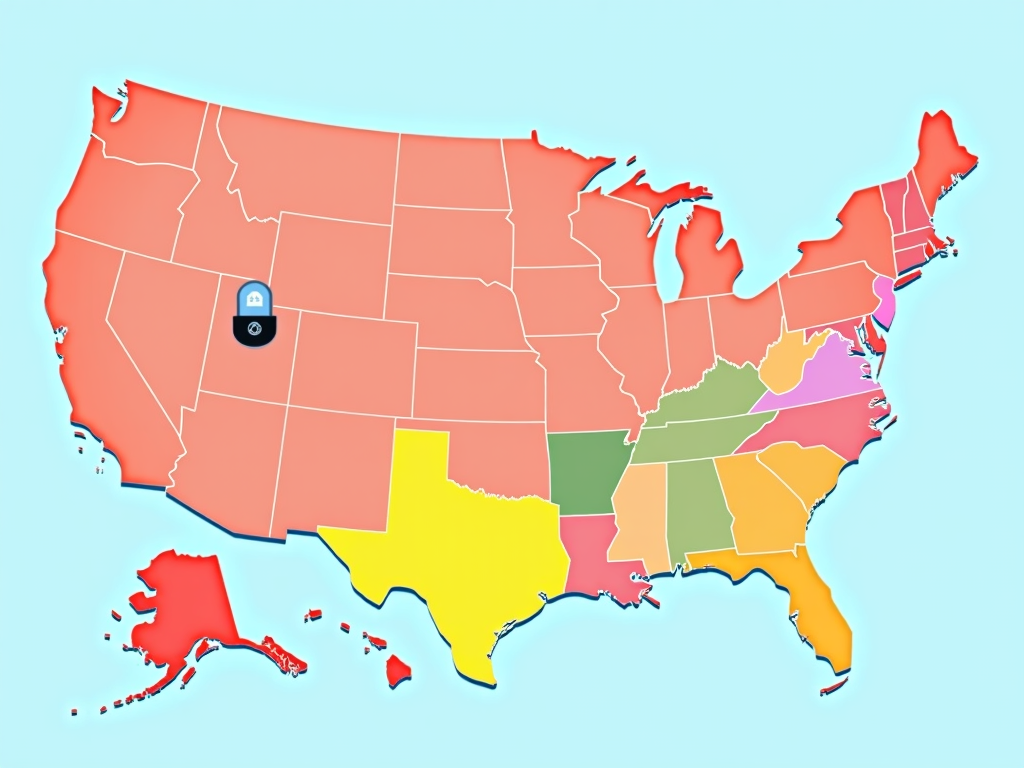
By 2025, at least 19 states will have privacy laws in place, like Delaware, Iowa, and Maryland. These laws tackle the wild west of data collection online. They’re built to protect you in a world where every click can be tracked. You get rights like knowing what data companies have, accessing it, fixing mistakes, deleting it, and saying no to things like targeted ads or data sales.
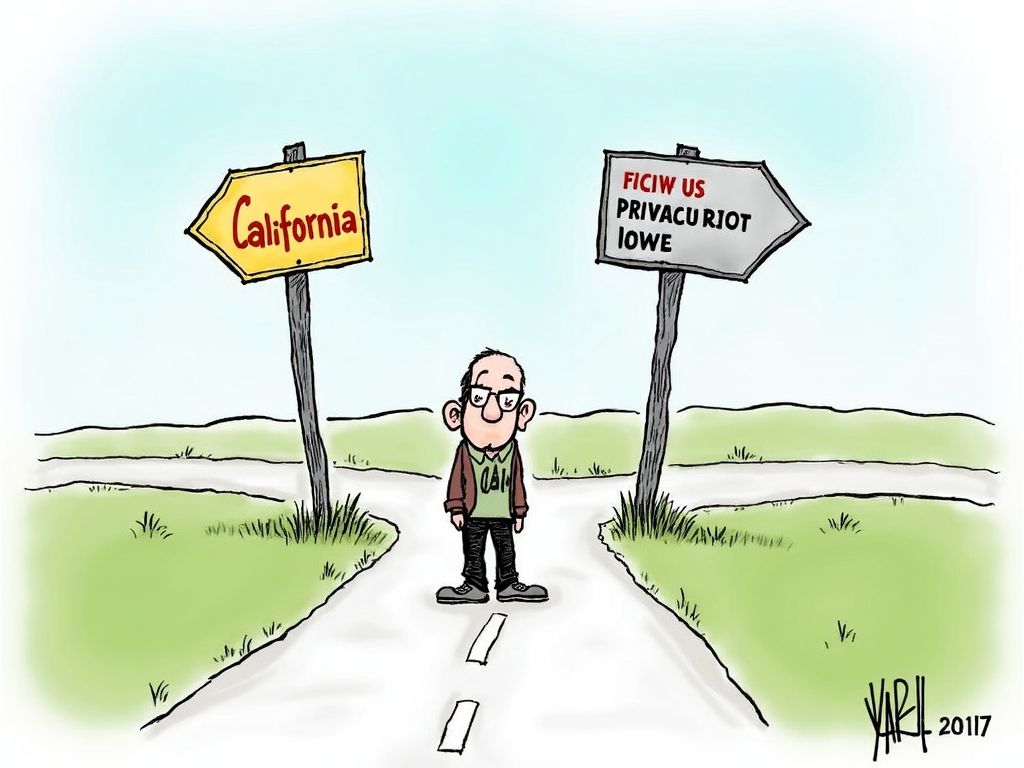
Take California’s Consumer Privacy Act (CCPA). It’s been around since 2020 but got a big update in 2023. It lets you opt out of data sharing. Other states are jumping in too. Maryland’s law, starting October 2025, even bans selling sensitive info like your health data. Meanwhile, Iowa’s version, also kicking off in 2025, keeps it simpler and lighter on businesses.
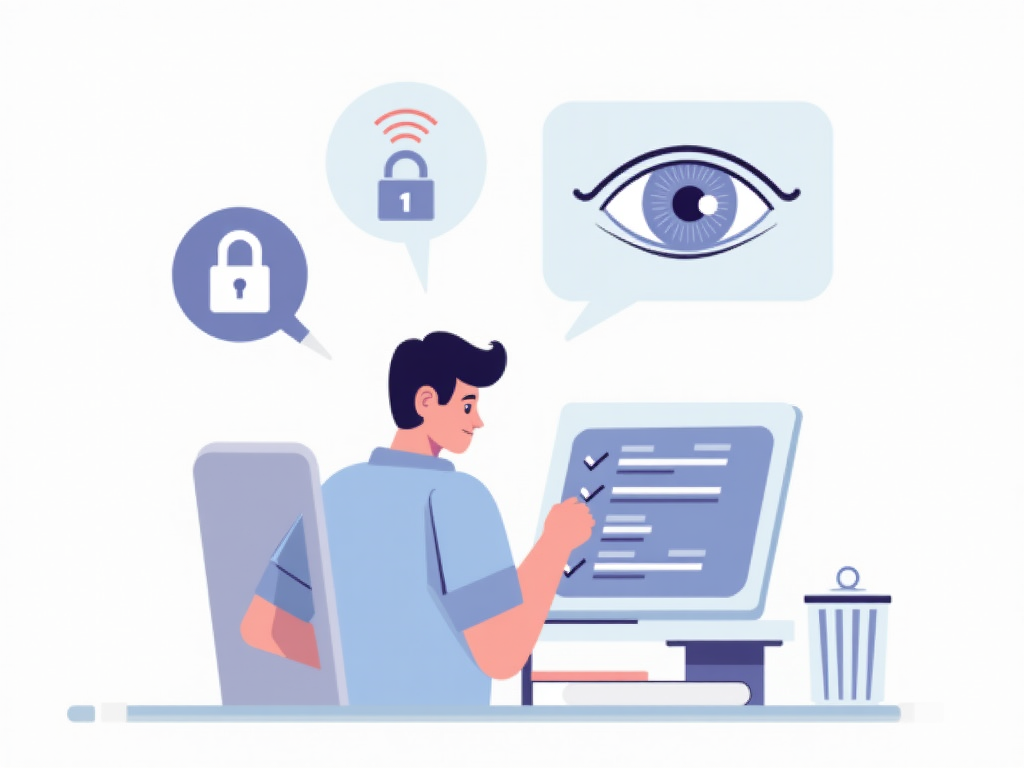
Businesses have to step up too. They need to tell you what they’re collecting, keep it safe, and answer your requests fast—usually within 45 days. It’s a big shift from the days when companies could hoard your info without a peep.
How Do These Laws Differ?
Not every state’s law is the same. Maryland’s is tough—it protects kids under 18 and blocks sensitive data sales. Iowa’s is more laid-back, skipping things like data correction rights. Here’s a quick look:
| State | Delete Data? | Correct Data? | Sensitive Data Rules |
|---|---|---|---|
| California | Yes | Yes | Strong |
| Maryland | Yes | Yes | Strictest |
| Iowa | No | No | Basic |
These differences matter if you’re dealing with companies across state lines.
Delaware’s law, for example, covers more personal details—like your gender identity—as sensitive. It starts January 2025. Knowing your state’s rules can help you figure out what power you’ve got.
Federal Laws: What’s Missing?
There’s no big federal privacy law yet. Efforts like the American Privacy Rights Act stalled out. That’s why states are leading the charge. But federal rules like HIPAA for health data or COPPA for kids under 13 still play a role. Without a national standard, you’re navigating a patchwork—check out the Electronic Frontier Foundation’s take on why this matters.
How to Use Your New Rights
These laws give you tools to fight back. Want to stop companies from selling your data? Look for an opt-out link on their site. Some states, like California and Colorado, even let you use the Global Privacy Control—a handy browser setting that tells every site you visit to back off. Learn more at California’s Attorney General site.
You can also ask companies what they know about you or demand they delete it. Most have to reply within 45 days. Tools like Incogni can help too. I tried it myself—it’s like hiring someone to chase down data brokers for you. Check out How to Set Up Incogni to Delete Personal Data for a step-by-step guide.

Here’s a tip: Start with big sites you use a lot, like social media or shopping apps. Look for a ‘privacy’ or ‘data’ section. It’s usually there, even if it’s buried. This is part of Simple Steps to Lock Down Your Online Privacy—small moves that add up.
Challenges You Might Face
These laws sound great, but they’re not perfect. Each state doing its own thing can confuse companies—and you. I’ve heard folks say it’s too hard to keep track of what rights they have where. Plus, you’ve got to take action yourself. Companies won’t just hand over control unless you ask.
Some say the laws don’t go far enough. Why opt-out instead of making companies ask permission first? Enforcement’s another worry—states might not have the cash or staff to crack down. The ACLU’s privacy report digs into these gaps.
My Own Privacy Wake-Up
I got curious once and asked a shopping site what it knew about me. Weeks later, I got a file with my every click, purchase, even stuff I just looked at. It was creepy but eye-opening. Another time, I opted out of data sales under the CCPA. Some sites made it a breeze; others hid the button like a treasure hunt. It showed me how much work online privacy still needs.
Trying online privacy tools like Incogni was a game-changer. It took the hassle out of chasing down sketchy data brokers. But it also hit me: we shouldn’t have to fight this hard to feel safe online.

Wrapping It Up
The consumer rights under new privacy laws 2025 are a huge win for you. They let you peek behind the curtain of data collection and take charge. But with different rules in every state and the effort it takes to use them, there’s still a long road ahead. Stay curious, use tools, and know your rights—it’s your data, after all.