Best Privacy Tools for Online Safety in 2025: Your Ultimate Guide
Overview/Summary
In 2025, keeping your online privacy safe is a must. With data breaches and surveillance on the rise, the best privacy tools for online safety in 2025 can help you stay secure. This guide covers top tools and actionable tips to protect your digital life.
The Risks of Not Protecting Your Online Privacy
Let’s be real—going online without protection is risky. Every click leaves a trail of personal info. Hackers can steal it, companies can track it, and governments might watch it. Without online privacy tools, you’re open to data breaches, identity theft, and creepy ads that know too much.
Imagine this: a hacker gets your email and password from a leaky website. Suddenly, they’re in your bank account. Or a company sells your browsing habits, and now you’re drowning in targeted ads. That’s why taking control of your online privacy matters in 2025.
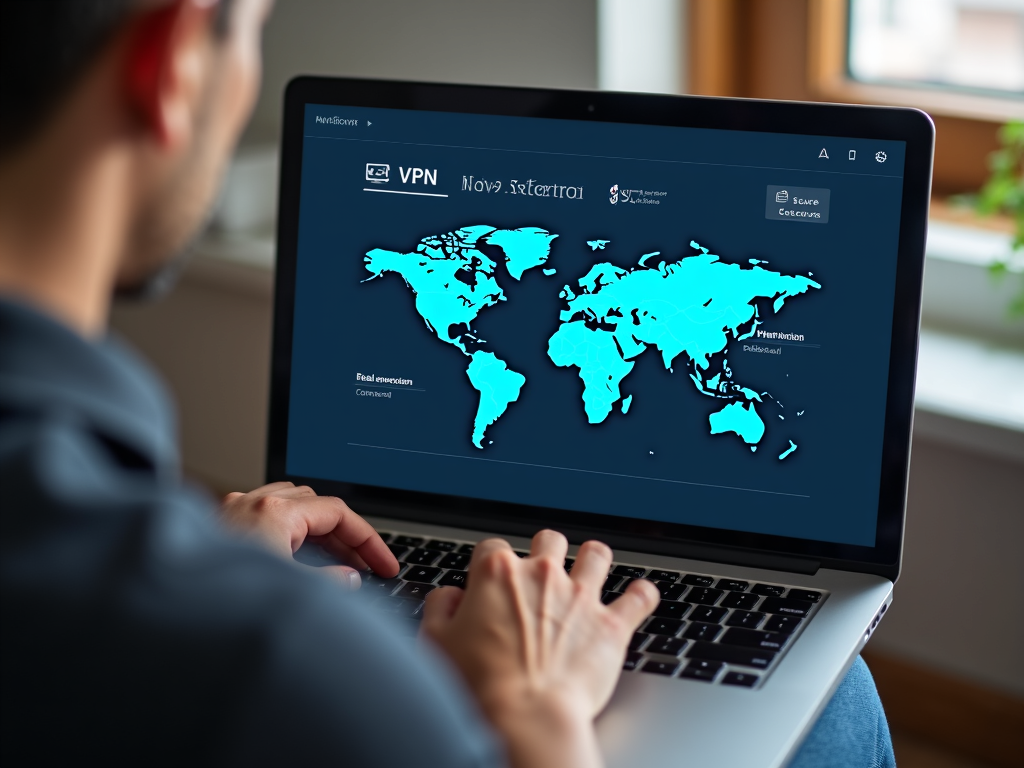
Best Privacy Tools for Online Safety in 2025
Here’s the good news—you don’t have to face these risks alone. The best privacy tools for online safety in 2025 are here to help. I’ve tested dozens of options, and these stand out for keeping you secure and private online.
-
Virtual Private Networks (VPNs)
A VPN hides your IP address and encrypts your internet traffic. It’s like a secret tunnel for your data. Top picks for 2025 include NordVPN for its speed, ExpressVPN for its security, and Surfshark for its unlimited connections. Use them on public Wi-Fi to stay safe. -
Password Managers
Weak passwords are a hacker’s dream. Password managers like LastPass, 1Password, and Bitwarden create and store unique, strong passwords for every account. I started using one last year, and it’s a game-changer—no more ‘password123’ mistakes!
-
Secure Messaging Apps
Texting sensitive info? Use apps with end-to-end encryption. Signal is my go-to for its privacy focus. WhatsApp and Telegram are solid too. They keep your chats safe from prying eyes—perfect for personal or work talks. -
Privacy-Focused Browsers
Regular browsers track everything. Switch to Brave, Firefox, or DuckDuckGo’s Privacy Browser. They block ads and trackers automatically. I switched to Brave last month, and the difference is night and day—no more creepy ads following me around.
- Data Removal Services
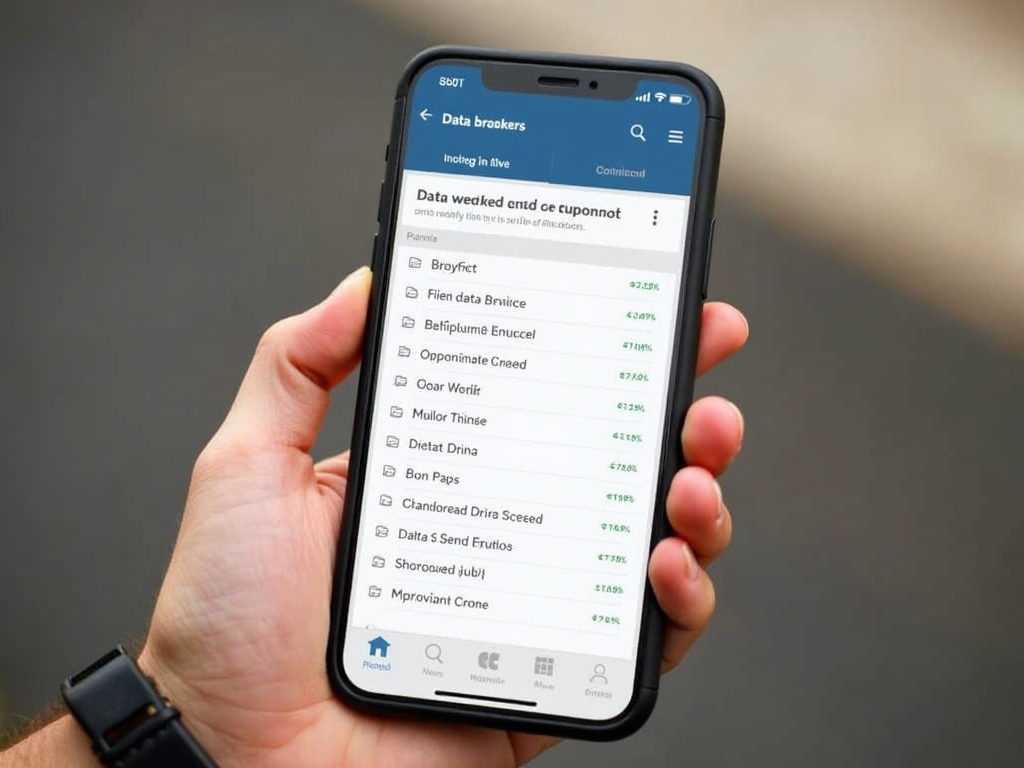
Your info is all over the web—data brokers love selling it. Services like Incogni help you take it back. They contact sites and demand your data be removed. It’s an easy way to shrink your online footprint and boost privacy.
Why These Tools Matter
These online privacy tools aren’t just nice-to-haves—they’re essential. I’ve seen friends lose money to identity theft because they skipped these steps. In 2025, with cyber threats growing, these tools give you peace of mind and real protection.
Simple Steps to Lock Down Your Online Privacy
Ready to take action? Here are simple steps to lock down your online privacy. They’re easy to follow and work with the tools we’ve covered. Start today, and you’ll feel more secure by tomorrow.
- Step 1: Turn on a VPN
Use a VPN every time you go online, especially on public Wi-Fi. It’s like locking your front door. -
Step 2: Get a Password Manager
Set one up and replace weak passwords. It takes 10 minutes but saves you from hacks. -
Step 3: Add Two-Factor Authentication (2FA)
Enable 2FA on your accounts. It’s an extra lock—think of it as a deadbolt. - Step 4: Watch What You Share
Don’t post your address or phone number online. Adjust social media settings to keep things private.
- Step 5: Update Everything
Keep your devices and apps updated. Old software is an open door for hackers. -
Step 6: Use Secure Messaging
Switch to encrypted apps for private chats. It’s simple and keeps your conversations yours. -
Step 7: Browse Smarter
Use a privacy-focused browser to cut down on tracking. - Step 8: Clean Up Your Data
Sign up for a service like Incogni to erase your info from the web. Less data out there means less risk.
How to Set Up Incogni to Delete Personal Data
Incogni makes removing your data a breeze. Here’s how to set up Incogni to delete personal data in five steps. I tried it myself, and it’s worth every second.
- Sign Up
Go to Incogni’s website and create an account with your email. It’s quick. -
Add Your Info
Tell Incogni what data to remove—like your name or address. They need this to find it. -
Give Permission
Let Incogni act for you. It’s a simple click to authorize them. -
Track Progress
Check the dashboard to see which sites they’re contacting. It’s satisfying to watch. -
Stay Updated
Incogni emails you when data gets removed. I got my first update in a week—pretty cool!
This process cuts your exposure and boosts yourオンラインprivacy fast.
Summary
In 2025, the best privacy tools for online safety in 2025—like VPNs, password managers, and Incogni—are your shield against digital threats. Follow the simple steps to lock down your online privacy, and you’ll stay safer online. Take charge of your online privacy today!