How VPNs Protect Your Online Privacy
In today's connected world, keeping your personal information safe online matters more than ever. VPNs, or Virtual Private Networks, help by creating a secure tunnel for your internet traffic. They hide your location and protect your data from prying eyes, making them key online privacy tools. This article dives into how they work and why you need one.
What Is a VPN?
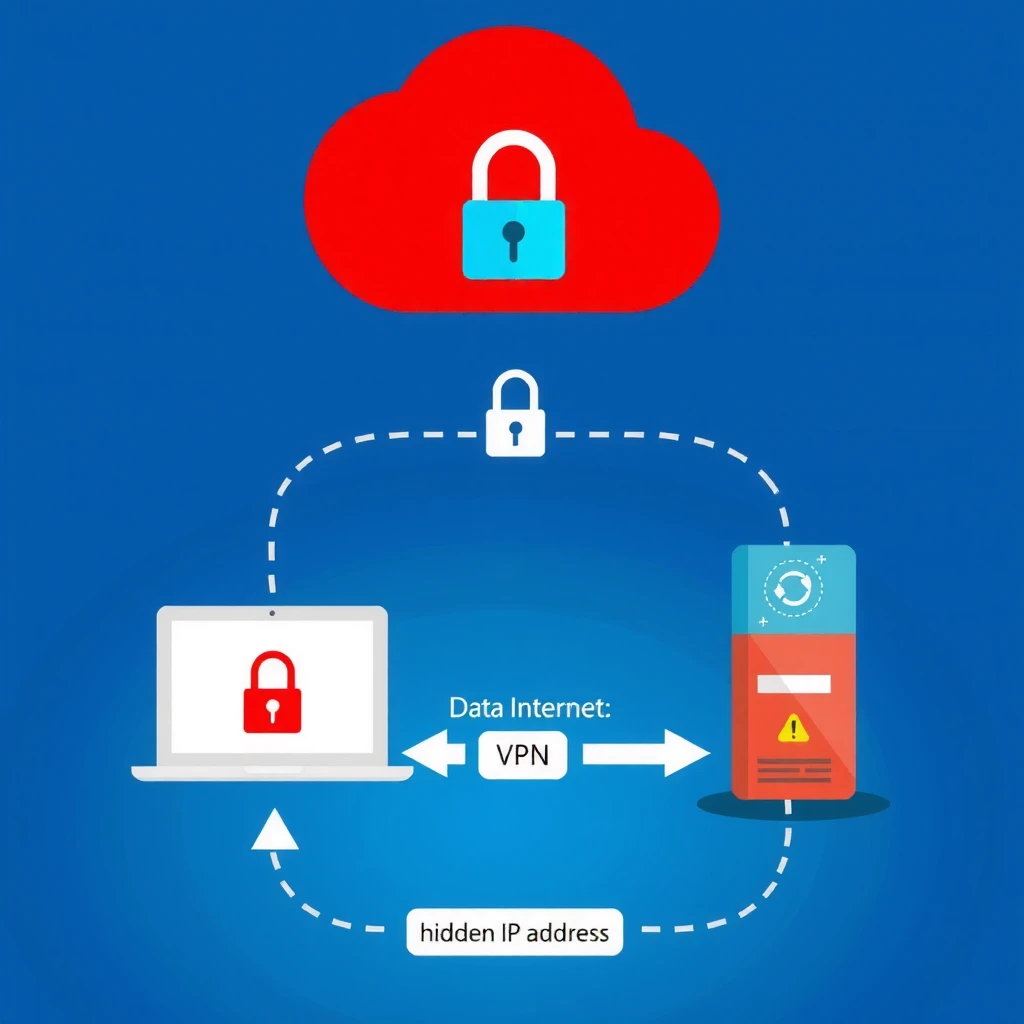
A VPN acts like a secret passageway for your internet use. When you connect to the web without one, your internet service provider (ISP) sees everything you do. They track the sites you visit and can share that info with others. A VPN changes that. It sends your data through a remote server first. This server encrypts your information and swaps your real IP address with its own. So, websites see the VPN's location, not yours.
Think of it as wearing a disguise online. Your true identity stays hidden. Businesses use VPNs to let workers access company files safely from home. For everyday people, they offer peace of mind during browsing or streaming.
How VPNs Encrypt Your Data
Encryption forms the core of how VPNs protect your online privacy. When you send data over the internet, a VPN scrambles it into unreadable code. Only the intended receiver can unscramble it with the right key. This stops hackers or snoopers from stealing your info.
Most good VPNs use strong methods like AES-256 encryption. This level matches what banks and governments use. If someone intercepts your data, they see gibberish, not your passwords or messages.
As explained by Washington University in St. Louis, VPNs encrypt your internet traffic to keep it private.[29] This process happens automatically once you connect.
In my experience, turning on a VPN feels like flipping a switch to 'safe mode.' I've noticed fewer targeted ads, which shows it's working to block trackers.
Hiding Your IP Address
Your IP address acts like your online home address. It reveals your rough location and ISP. Websites use it to track you across sessions. A VPN hides this by routing your connection through its servers.
This masking helps in many ways. It stops websites from building profiles on you. It also lets you access content blocked in your area. For example, you can watch shows from other countries.
According to Privacy Guides, VPNs shift the trust from your ISP to the VPN provider, effectively masking your IP from third parties.[32] But remember, the VPN provider knows your real IP, so choose one you trust.
Protection on Public Wi-Fi
Public Wi-Fi spots like cafes or airports offer convenience but big risks. Hackers often lurk on these networks, trying to snag your data. A VPN shields you here by encrypting everything.
Without a VPN, someone could spy on your emails or banking. With one, your connection stays secure. It's like having a personal bodyguard for your data.
I've used VPNs in busy coffee shops and felt more at ease knowing my info stayed private. This simple step turns risky networks into safer ones.
Bypassing Geo-Restrictions and Censorship
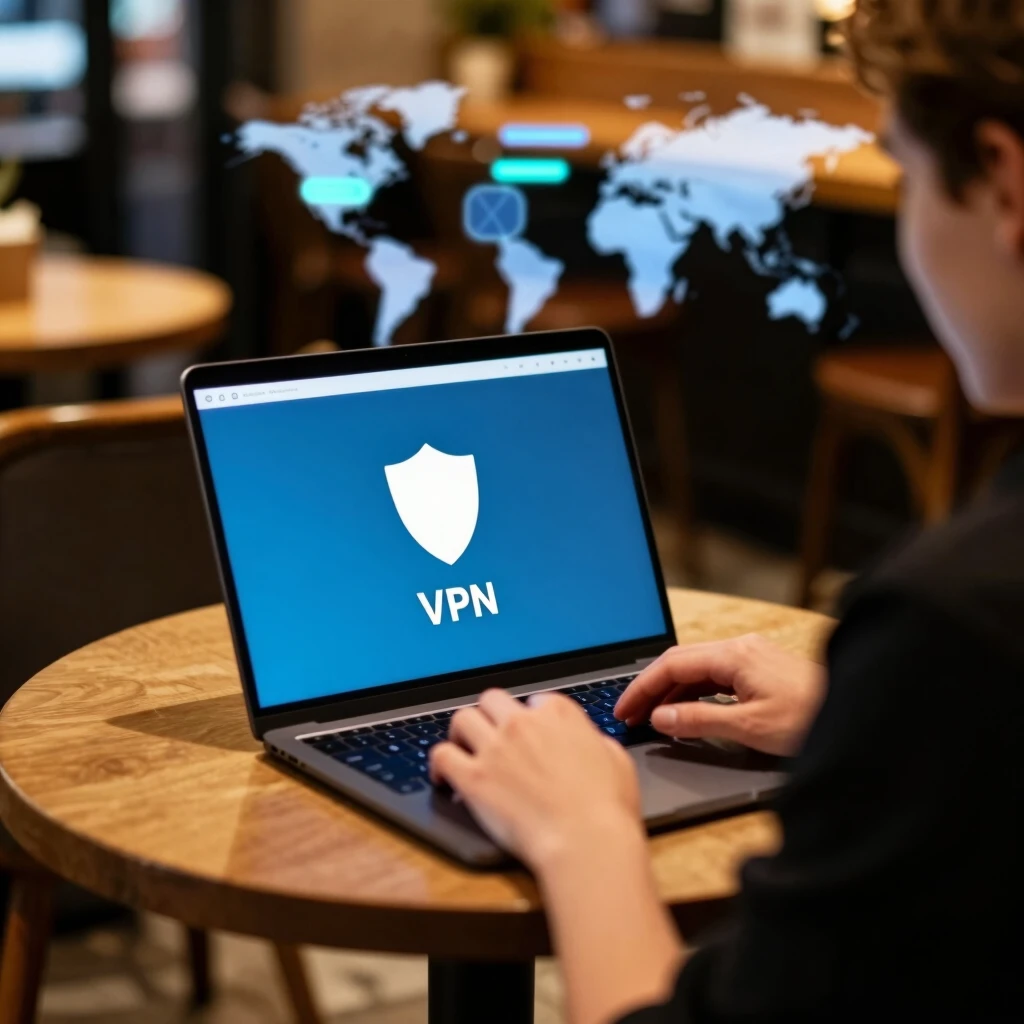
Some countries block certain websites. Others limit content based on location. VPNs help you get around these barriers by making it seem like you're browsing from elsewhere.
This feature boosts your online freedom. You can read news from restricted areas or stream your favorite shows while traveling.
However, not all VPNs work equally well for this. Look for ones with many server locations.
Limitations of VPNs
VPNs aren't perfect. They slow your internet a bit because of the extra routing. Also, they don't stop all tracking. Cookies and browser fingerprints can still identify you.
The biggest catch? You must trust the VPN company. They see your traffic, so pick one with a no-logs policy and audits.
As noted by the Electronic Frontier Foundation, VPNs do not provide complete anonymity and should be part of a broader security strategy.[30] Combine them with other online privacy tools like ad blockers.
Choosing the Right VPN
When picking a VPN, focus on security features. Check for kill switches that cut your internet if the VPN drops. Look at their location – countries with strong privacy laws are better.
Read reviews and privacy policies. Independent audits build trust. Free VPNs often sell your data, so paid ones usually offer better protection.
For more on selecting a secure VPN, see the Electronic Frontier Foundation's guide on choosing the right VPN.[30]
Proton VPN vs Express VPN: Which Is More Secure?
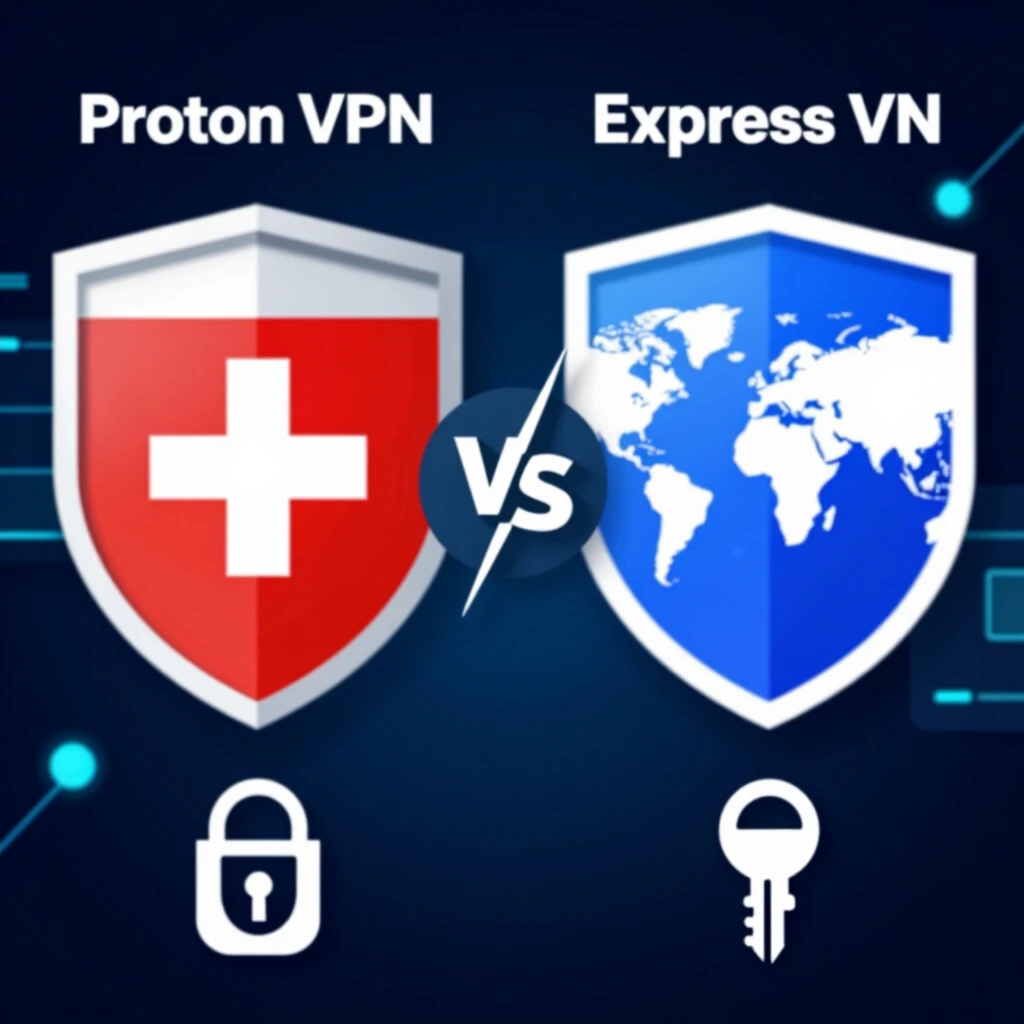
Many people compare popular options like Proton VPN vs Express VPN: which is more secure? Both provide strong encryption and no-logs policies. But Proton stands out with its Secure Core feature. This routes traffic through multiple servers in safe countries, adding extra layers against tracking.
Express VPN shines in speed and ease of use, with servers in more countries. However, Proton's open-source apps and Swiss base give it an edge in privacy.
Based on a detailed comparison, Proton VPN edges out as more secure due to its multi-hop technology.[31] In my view, if security tops your list, go with Proton. For streaming, Express might suit better.
Here's a quick table comparing key features:
| Feature | Proton VPN | Express VPN |
|---|---|---|
| Encryption | AES-256 | AES-256 |
| No-Logs Policy | Yes, audited | Yes, audited |
| Secure Core/Multi-Hop | Yes | No |
| Server Countries | 71 | 105 |
| Price (monthly) | $9.99 | $12.95 |
| Free Tier | Yes | No |
Personal Insights on Using VPNs
Over the years, I've tried several VPNs. One time, while traveling, a VPN let me access my home banking without issues. It felt reassuring knowing my connection stayed secure abroad.
Another insight: Pair VPNs with other habits. Use strong passwords and enable two-factor authentication everywhere. This combo strengthens your overall online privacy.
I've seen friends ignore VPNs and regret it after data breaches. Starting with a reputable one makes a real difference.
Summary
VPNs protect your online privacy by encrypting data, hiding your IP, and securing public connections. They're essential online privacy tools in our digital age. While they have limits, choosing wisely – like considering Proton VPN vs Express VPN – boosts your safety.
Remember, no tool offers perfect protection. Stay informed and use multiple layers for best results.