How to Teach Kids About Online Privacy
Overview
In today’s digital world, teaching kids about online privacy is more important than ever. This article offers practical tips and tools to help parents and educators guide children in keeping their personal information safe online.

Why Online Privacy Matters for Kids
Kids use the internet daily—for homework, games, and chatting with friends. But they often don’t realize that sharing personal details online can lead to risks like identity theft or cyberbullying. Teaching them early builds a foundation for staying safe.
Making Online Privacy Simple for Kids
Explaining online privacy to kids means keeping it relatable. For little ones, say it’s like locking their diary. For teens, talk about news stories where people’s information got stolen. Use examples they can grasp based on their age.
I once told my nephew that sharing his address online was like giving a stranger his house key. He got it right away and started asking questions about what’s safe to post. Real-life examples make the lesson stick.
Essential Online Privacy Tools for Beginners
Kids can use basic tools to stay safe online. Here’s a quick list:
- Privacy settings: Control who sees their social media.
- Ad blockers: Stop trackers from collecting data.
- Password managers: Keep strong passwords handy.
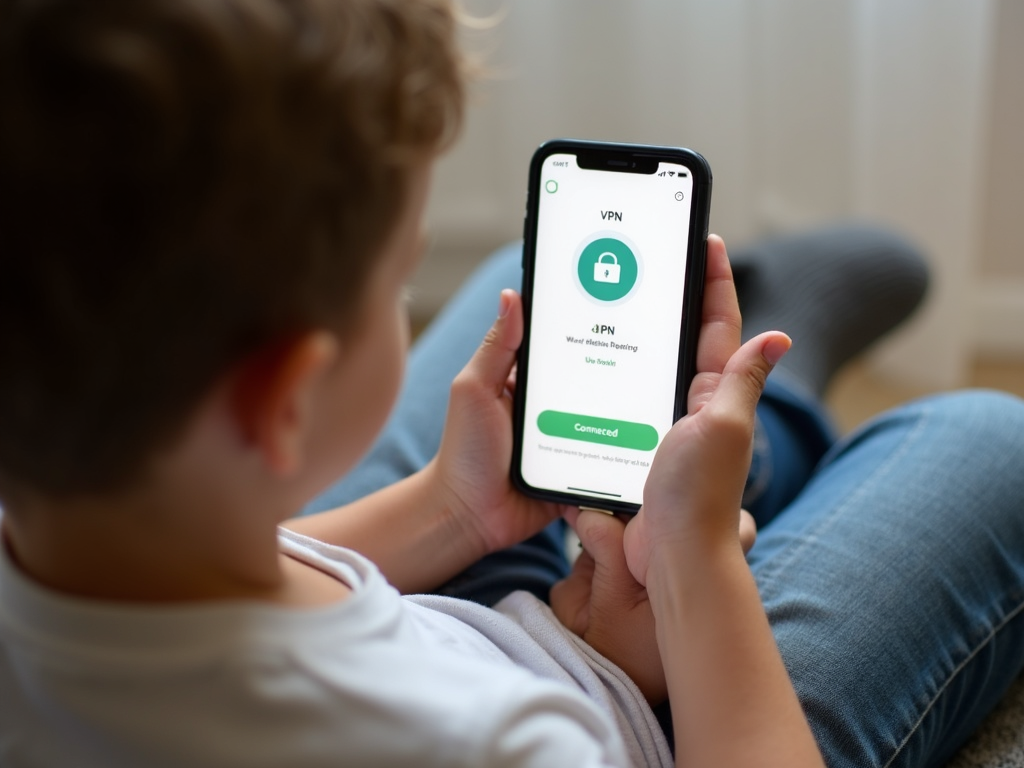
- VPNs: Hide their activity from prying eyes.
A Pew Research Center study found that 81% of parents worry about their kids’ online privacy. Starting with simple tools can ease those fears and teach kids responsibility.
Hands-On Learning with Privacy Tools
Show kids how to use online privacy tools by doing it together. Adjust their Instagram settings or set up an ad blocker on their tablet. Make it a fun activity—like a tech treasure hunt.
When I showed my niece how a VPN works, I said it’s like a secret tunnel for her internet. She loved turning it on herself and watching the ‘connected’ sign pop up. Kids learn best when they’re involved.
Keep the Conversation Going
Online privacy isn’t a one-and-done talk. New apps and threats pop up all the time. Check in regularly, ask what they’re using, and update them on how to stay safe.
The National Cyber Security Alliance suggests making privacy chats a habit. They say kids feel more confident when adults keep the lines open and stay in the loop.
What Schools Can Do
Schools are stepping up too. Many now teach digital skills, including online privacy, as part of class. It’s a great way for kids to learn the rules in a place they already trust.
Back in middle school, I had a teacher show us how to spot fake websites. That lesson stuck with me and made me think twice about what I clicked. Schools can make a big difference.

Set a Good Example
Kids watch what we do. If you’re careful about your own online privacy—using strong passwords or avoiding oversharing—they’ll pick up those habits too. Be the model they follow.
A Family Online Safety Institute report shows kids copy parents who practice safe online behavior. When I stopped posting vacation plans live, my nephew noticed and asked why—it was a perfect teaching moment.
Common Privacy Mistakes Kids Make
Kids slip up sometimes. They might share passwords with buddies, post their birthday publicly, or click shady links. Teach them:
- Passwords are for parents only.
- Skip personal details in posts.
- Pause before clicking.
My cousin once posted his phone number in a gaming chat. We caught it fast and deleted it, then talked about why that’s risky. Turning mistakes into lessons works wonders.
What to Do After a Privacy Slip
If a kid shares something they shouldn’t, act fast. Change passwords, delete the post, or contact the site. Stay calm—it’s a chance to teach, not scold.
The Electronic Frontier Foundation has tips for fixing privacy leaks. When my niece clicked a bad link, we reset her account together and talked about spotting scams.
Empower Kids to Take Charge
The goal is to help kids manage their own online privacy. Give them tools and trust to make smart choices. Confidence comes from knowing they’re in control.
Summary
Teaching kids about online privacy takes time and effort. By showing them why it matters, introducing online privacy tools, and leading by example, we prepare them to thrive safely in the digital age.