Privacy Tools for Everyday Use: Top 10 Online Privacy Tools You Should Be Using
In today's connected world, your personal data is constantly at risk. This guide explores privacy tools for everyday use that anyone can adopt to stay safe online. From simple steps to advanced protections, we'll cover what you need to know. (38 words)
The Importance of Online Privacy in the Digital Age
Every day, you share information online without even thinking about it. When you browse websites, shop, or chat with friends, companies and sometimes governments collect your data.
Data breaches happen often. In recent years, billions of records have been exposed. This can lead to identity theft, targeted ads, or worse.
I remember a time when a friend had their email hacked. Personal photos and messages spread everywhere. It was a wake-up call for me. Protecting your privacy isn't paranoia—it's smart.
Online privacy gives you control. It lets you decide who sees your information. In 2025, with more laws like GDPR and new state rules in the US, privacy is a right worth fighting for.

How to Set Up a VPN for Maximum Privacy
A VPN is one of the best privacy tools for everyday use. It hides your IP address and encrypts your internet traffic.
Here's how to set one up step by step:
-
Choose a reputable VPN. Look for no-logs policies, audited by independent firms. Popular choices in 2025 include Proton VPN, Mullvad, and ExpressVPN.
-
Download the app from the official website.
-
Sign up and pick a plan. Many offer free trials.
-
Connect to a server. Choose one far from your location for better privacy.
-
Enable the kill switch. This stops internet if the VPN drops.
I use a VPN daily, especially on public Wi-Fi. It gives peace of mind knowing my data is safe.
For maximum privacy, combine it with other tools. Avoid free VPNs that sell your data.
Top 10 Online Privacy Tools You Should Be Using
Here are my top picks for 2025. These are easy to use and effective.
1. Proton VPN
Free tier available with strong privacy. No logs, based in Switzerland.
2. Signal
Best for messaging. End-to-end encryption, open-source.
3. Bitwarden
Open-source password manager. Secure and free.
4. Firefox or Brave Browser
Built-in tracking protection. Brave blocks ads by default.
5. Proton Mail
Encrypted email that's easy to use.
6. uBlock Origin
Browser extension to block ads and trackers.
7. Tor Browser
For anonymous browsing when needed.
8. DuckDuckGo
Privacy-focused search engine.
9. Mullvad VPN
Pay anonymously, strong privacy focus.
10. Cryptomator
Encrypt files before uploading to cloud storage.
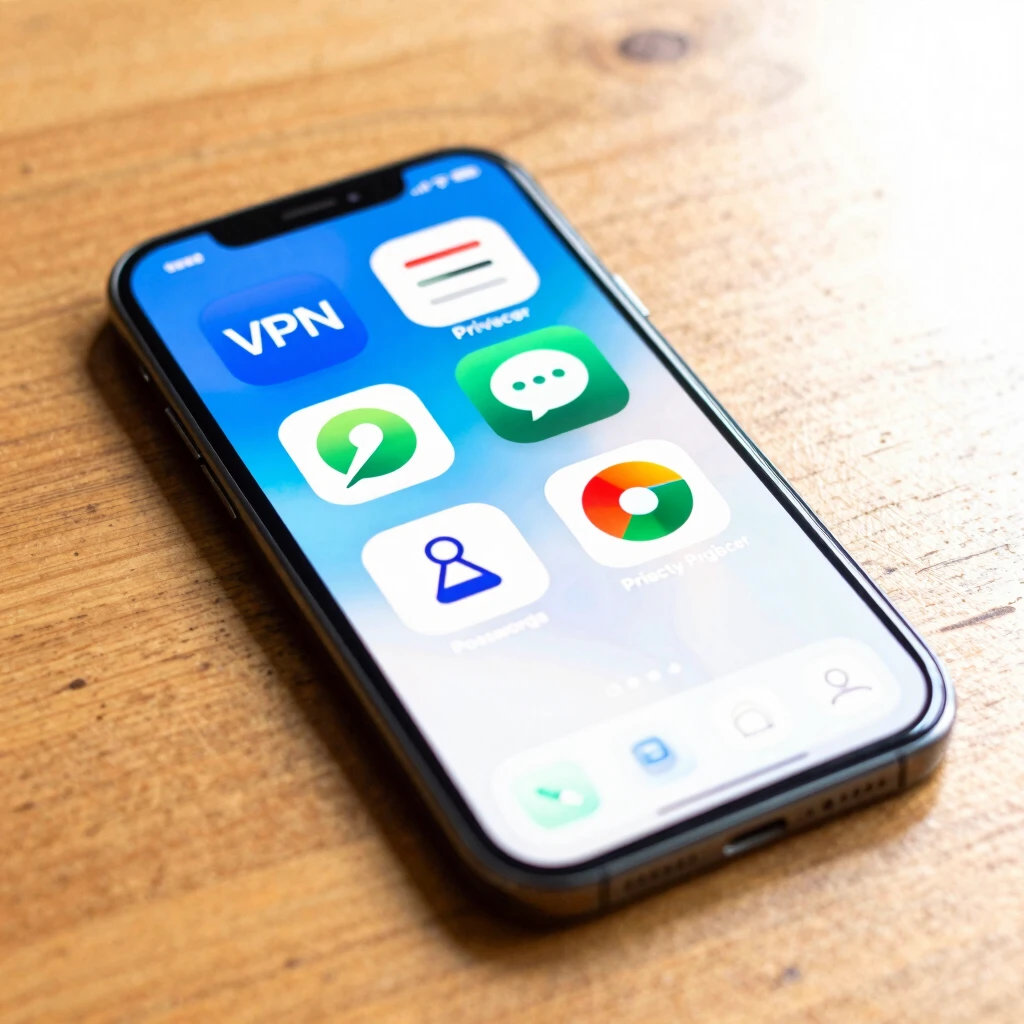
Start with 2-3 tools. I began with a VPN and Signal. It made a big difference.
These tools are free or low-cost. Many are open-source, meaning experts check the code for security.
The Future of Encrypted Communication
Encryption is key to privacy. Today, apps like Signal use end-to-end encryption—no one, not even the company, can read your messages.
Looking ahead, post-quantum cryptography will protect against future quantum computers.
More apps will adopt standards like MLS for group chats that stay secure.
Challenges remain. Some governments want backdoors, but experts say that weakens security for everyone.
In my view, strong encryption protects free speech and safety. The future looks bright with tools becoming easier and stronger.
Final Thoughts
Privacy tools for everyday use are simple to start with. They protect you from trackers, hackers, and data collectors.
Take action today. Pick one tool from the list and set it up. Your future self will thank you.
Online privacy in the digital age is essential. With these top 10 online privacy tools, you're well-equipped.