The Importance of Two-Factor Authentication: Securing Your Online Life
In today's digital age, where cyber threats are becoming more sophisticated, protecting our online accounts and personal information is more important than ever. One of the most effective ways to enhance online security is through two-factor authentication (2FA). This article explores the importance of 2FA, how it works, and why it should be a key part of your online privacy toolkit.
What is Two-Factor Authentication?
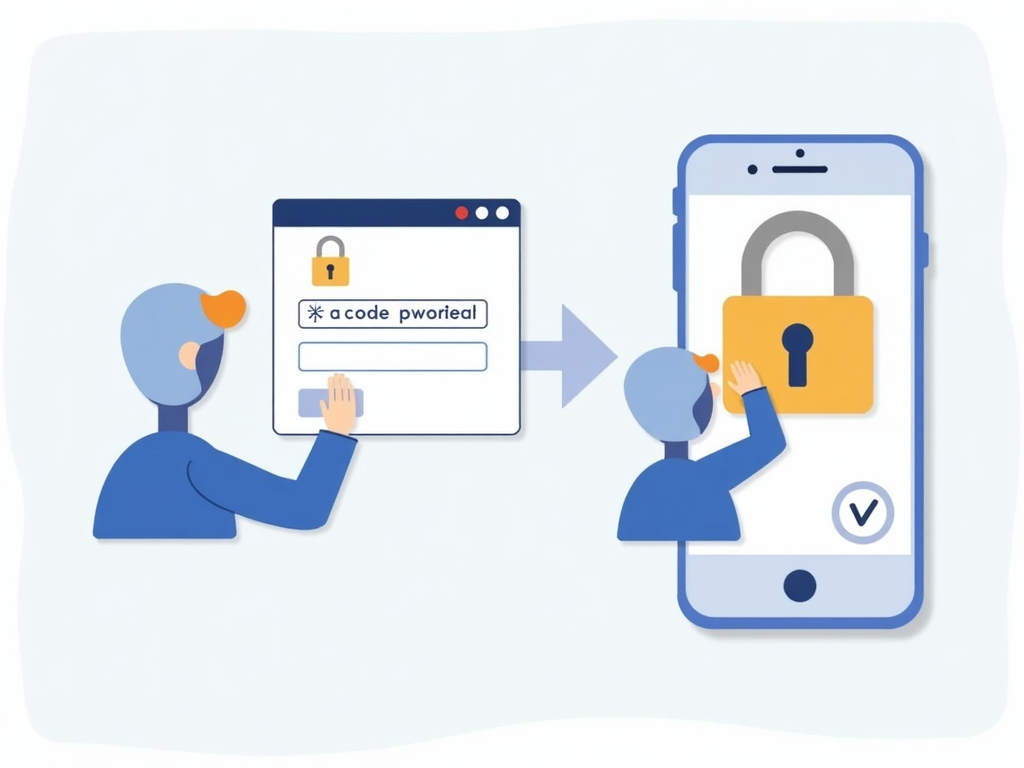
Two-factor authentication, or 2FA, is a security measure that requires two forms of identification before granting access to an account or system. Typically, this involves something you know (like a password) and something you have (like a smartphone or a security token). By adding this extra layer of security, 2FA makes it much harder for unauthorized users to access your accounts, even if they have your password.
Why is 2FA Important?
The importance of 2FA cannot be overstated. With the rise of data breaches and phishing attacks, relying solely on passwords is no longer enough. Passwords can be stolen, guessed, or compromised in various ways. 2FA adds an additional barrier, ensuring that even if someone has your password, they still need a second form of verification to access your account.
For example, I once had a close call when my email password was compromised. Thanks to 2FA, the attacker couldn't get into my account because they didn't have access to my phone, which was required to receive the verification code. This experience made me realize just how crucial 2FA is for protecting sensitive information.
Moreover, 2FA is a key component of online privacy. It helps safeguard your personal data from unauthorized access, which is especially important when using online privacy tools like VPNs or private browsers. Speaking of which, let's take a quick look at two popular mobile browsers known for their privacy features: Firefox Focus and DuckDuckGo.
Firefox Focus vs DuckDuckGo: Which Mobile Browser is More Private?
Both Firefox Focus and DuckDuckGo are excellent choices for privacy-conscious users, but they have different approaches. Firefox Focus automatically blocks trackers and deletes your browsing history, making it ideal for users who want a simple, no-fuss private browsing experience. DuckDuckGo, on the other hand, focuses on private search but also offers a mobile browser with built-in privacy features like tracker blocking and forced encryption.
While both browsers enhance your online privacy, they work best when combined with other security measures like 2FA. For instance, using 2FA on your email or social media accounts ensures that even if someone manages to bypass your browser's privacy features, they still can't access your accounts without the second factor.
Types of Two-Factor Authentication
There are several types of 2FA, each with its own pros and cons. Understanding these can help you choose the best method for your needs.
| Method | Pros | Cons |
|---|---|---|
| SMS-based | Easy to use, no additional hardware required | Vulnerable to SIM swapping attacks, relies on cellular network |
| App-based | More secure than SMS, works offline | Requires smartphone and app installation |
| Hardware token | Highly secure, not dependent on smartphone | Can be lost or stolen, additional cost |
-
SMS-based 2FA: This method sends a verification code to your phone via text message. It's convenient but can be vulnerable to attacks like SIM swapping, where hackers take control of your phone number.
-
App-based 2FA: Authenticator apps like Google Authenticator or Authy generate time-sensitive codes on your smartphone. These are more secure than SMS because they don't rely on the cellular network.
-
Hardware tokens: Devices like YubiKey provide a physical token that generates or stores authentication codes. These are highly secure but can be inconvenient to carry around.
Personal Insights and Experiences
I've been using 2FA for several years now, and it has become an essential part of my online security routine. Initially, I was hesitant because I thought it would be too time-consuming or complicated. However, after setting it up, I found that it only adds a few extra seconds to the login process, and the peace of mind it provides is well worth it.
One thing I've learned is to always have backup options. For example, I use an authenticator app as my primary 2FA method, but I also have backup codes stored in a secure place in case I lose access to my phone. This ensures that I can still access my accounts even in emergencies.
Common Misconceptions and Concerns
Despite its benefits, some people are still hesitant to use 2FA. Here are a few common misconceptions and how to address them:
-
"It's too complicated." In reality, setting up 2FA is straightforward. Most platforms provide step-by-step guides, and once it's set up, using it is as simple as entering a code from your phone.
-
"I don't have anything valuable to protect." Even if you think your accounts aren't important, hackers can still use them for malicious purposes, like sending spam or accessing linked accounts.
-
"I might get locked out of my account." While it's true that losing access to your 2FA method can be problematic, most services offer backup options like recovery codes or alternative verification methods.
2FA and Online Privacy
2FA is a crucial part of a broader online privacy strategy. While tools like VPNs and private browsers help protect your data while browsing, 2FA ensures that your accounts remain secure even if your password is compromised. In fact, using 2FA is often listed among the top privacy tools for secure browsing.
For more information on online privacy tools, check out this comprehensive guide from the Electronic Frontier Foundation. They provide valuable resources on how to protect your privacy online, including recommendations for secure browsing and communication tools.
Setting Up 2FA
Setting up 2FA is easier than you might think. Here's a quick guide for enabling it on popular platforms:
- Go to your Google Account settings.
- Click on "Security."
- Under "Signing in to Google," click on "2-Step Verification."
- Follow the prompts to set up your preferred 2FA method.
- Go to your Facebook settings.
- Click on "Security and Login."
- Under "Two-Factor Authentication," click "Edit."
- Choose your preferred method and follow the instructions.
- Go to your Twitter settings.
- Click on "Account," then "Security."
- Under "Two-factor authentication," select your method and follow the setup process.

Conclusion
In summary, two-factor authentication is a simple yet powerful tool for enhancing your online security. By adding an extra layer of protection, it significantly reduces the risk of unauthorized access to your accounts. Whether you're concerned about online privacy or just want to keep your personal information safe, enabling 2FA is a crucial step. Don't wait until it's too late—set up 2FA on your accounts today.