Top Privacy Tools in 2025: Essential Software and Services - Optimize Up
Overview
In 2025, protecting your online privacy is more critical than ever. With data breaches and tracking on the rise, using the Top Privacy Tools in 2025: Essential Software and Services - Optimize Up can make a real difference. This guide explores the best tools and simple steps to safeguard your digital life.
Why Privacy Matters in 2025
Every click, search, or post you make online leaves a digital footprint. Companies collect this data to target ads, but hackers can exploit it too. In 2025, privacy laws are stricter, yet personal data leaks are still common. A 2024 report by the Pew Research Center showed 67% of Americans feel they have little control over their data. That’s why using top privacy-enhancing technologies for 2025 is essential to take back control.
I’ve spent years experimenting with privacy tools, from VPNs to encrypted browsers. The right tools don’t just hide your data—they give you peace of mind. Let’s dive into the best online privacy tools to secure your digital life.
1. VPNs: Your First Line of Defense
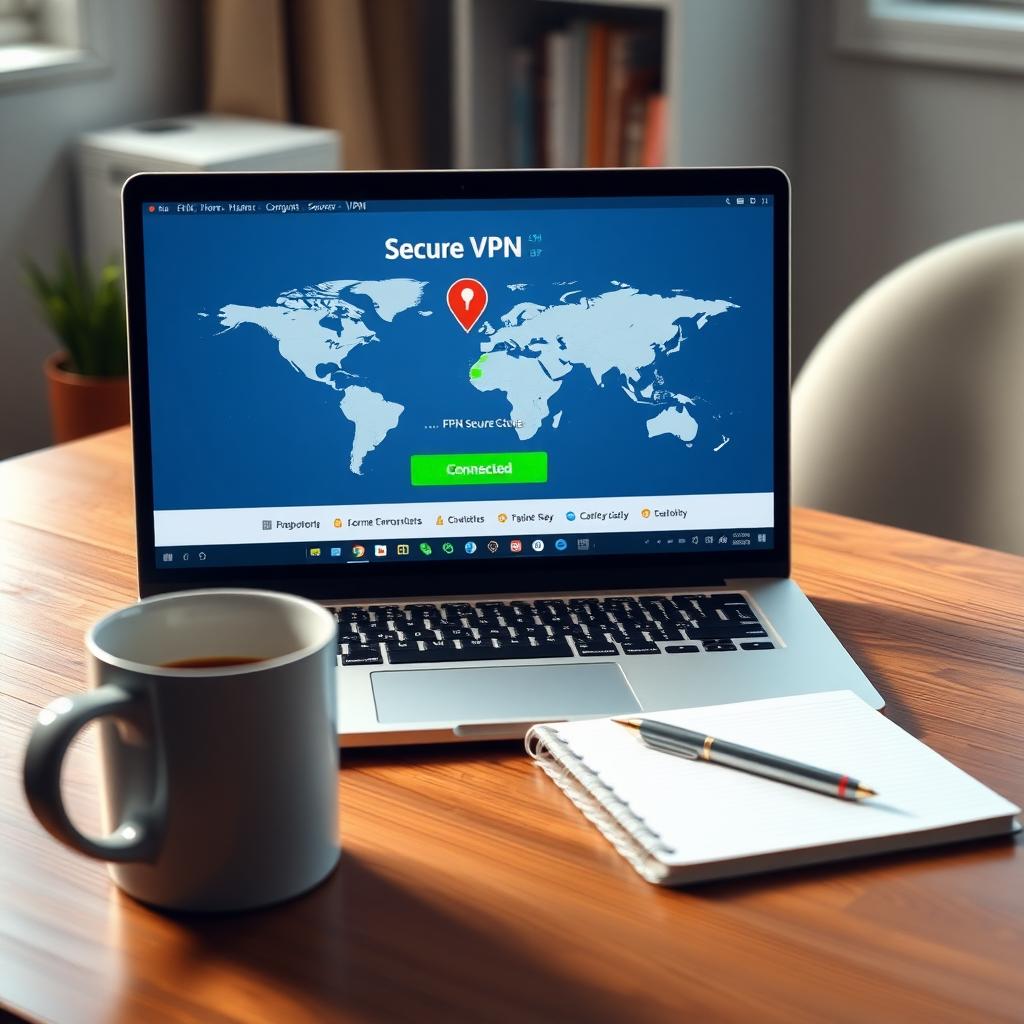
A Virtual Private Network (VPN) hides your IP address and encrypts your internet connection. In 2025, VPNs remain a cornerstone of privacy. I use a VPN daily for browsing and streaming—it’s like locking your front door before leaving the house.
Top VPNs for 2025: - NordVPN: Fast, with strong encryption and a no-logs policy. - ProtonVPN: Offers a free tier and prioritizes privacy with Swiss-based servers. - Surfshark: Budget-friendly with unlimited device connections.
Pro Tip: Choose a VPN with a kill switch to prevent data leaks if the connection drops. A study by the University of Maryland highlights encryption as a key defense against cyber threats.
2. Incogni: Erasing Your Digital Footprint
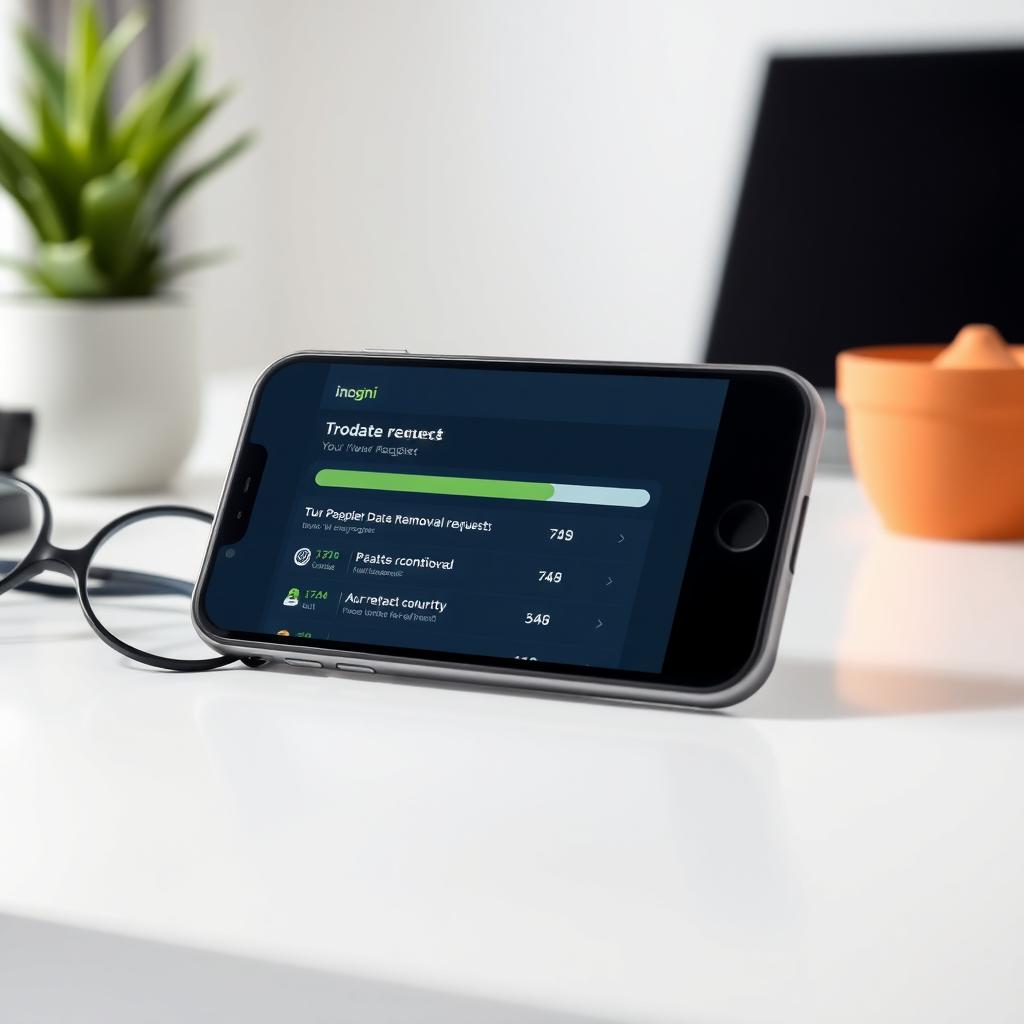
Data brokers collect and sell your personal info—names, addresses, even your shopping habits. Incogni is a standout tool that automates requests to remove your data from these brokers. I tried Incogni last year, and within weeks, my info was gone from dozens of sketchy sites.
How to Set Up Incogni to Delete Personal Data: 1. Sign up on Incogni’s website. 2. Provide basic details (name, email, address). 3. Incogni scans data broker databases. 4. It sends automated removal requests on your behalf. 5. Monitor progress via a user-friendly dashboard.
This process is a game-changer for Simple Steps to Lock Down Your Online Privacy. Incogni’s efficiency saved me hours compared to manual requests.
3. Encrypted Messaging Apps: Secure Your Chats
Texting isn’t safe unless it’s encrypted. Apps like Signal and Telegram use end-to-end encryption, meaning only you and the recipient can read your messages. I switched to Signal for personal chats after learning WhatsApp shares data with its parent company. Signal’s open-source code, verified by experts like those at MIT’s Computer Science and Artificial Intelligence Laboratory, ensures top-notch security.
Why Choose Signal? - No data collection. - Free and easy to use. - Supports voice and video calls.
Quick Tip: Enable disappearing messages for extra privacy.
4. Privacy-Focused Browsers
Your browser can leak data like your location or browsing history. Privacy-focused browsers like Brave and Firefox block trackers by default. I’ve used Brave for a year, and its built-in ad blocker speeds up my browsing while keeping ads at bay.
Browser Comparison: | Browser | Key Feature | Best For | |---------|-------------|---------| | Brave | Built-in ad and tracker blocker | Speed and privacy | | Firefox | Customizable privacy settings | Flexibility | | Tor | Anonymous browsing | Maximum anonymity |
Switching browsers is one of the easiest Simple Steps to Lock Down Your Online Privacy.
5. Password Managers: Fortify Your Accounts
Weak passwords are a hacker’s dream. Password managers like 1Password or Bitwarden generate and store strong passwords. I started using Bitwarden because it’s free and open-source. It syncs across my devices, so I never forget a password.
How to Get Started: 1. Choose a trusted password manager. 2. Create a strong master password. 3. Import or generate passwords for all accounts. 4. Enable two-factor authentication (2FA).
A 2023 cybersecurity report by Verizon found 80% of breaches involve weak credentials. Don’t skip this step.

6. Email Encryption Tools
Email is a weak link for privacy. Tools like ProtonMail encrypt your emails so only the recipient can read them. I use ProtonMail for sensitive communications—it’s simple and doesn’t scan my emails for ads.
Why ProtonMail? - Based in Switzerland with strict privacy laws. - Free tier available. - Easy integration with other email clients.
For extra security, pair ProtonMail with a VPN.
Practical Tips for Everyday Privacy
Beyond tools, small habits make a big difference: - Check App Permissions: Limit apps’ access to your camera, location, or contacts. - Use Secure Wi-Fi: Avoid public Wi-Fi without a VPN. - Update Software: Patches fix security holes. - Be Skeptical: Don’t click suspicious links or share personal info.
I learned this the hard way after a phishing scam almost tricked me. Now, I double-check everything.
Summary
The Top Privacy Tools in 2025: Essential Software and Services - Optimize Up empower you to protect your data. From VPNs and Incogni to encrypted messaging and password managers, these tools are easy to use and effective. Start with one or two, like setting up Incogni or switching to Signal, and build from there. Your privacy is worth it.