AI and Online Privacy Risks and Protections: Safeguarding Your Digital Life
Overview
Artificial intelligence (AI) is reshaping our digital world, from personalized ads to smart assistants. But with great power comes great risk. AI and online privacy risks and protections are critical topics as AI systems collect and analyze vast amounts of personal data, often without our full awareness. This article dives into how AI impacts your privacy, the risks you face, and actionable steps to protect yourself, including how to set up Incogni to delete personal data.
How AI Impacts Your Online Privacy
AI thrives on data. Every click, search, or post you make online feeds AI systems that build detailed profiles about you. These systems power everything from targeted ads to hiring decisions. But here’s the catch: the more data AI collects, the greater the risk to your privacy. I’ve seen how quickly my online habits—like browsing for shoes—turn into eerily accurate ads. It’s convenient, but it’s also a reminder that my data is being watched.
AI can process massive datasets to predict your behavior, preferences, and even sensitive details like health or financial status. This isn’t just about ads. Companies use AI to make decisions that affect your life, like approving loans or screening job applications. Without proper safeguards, your personal information could be misused or exposed.

Key Privacy Risks of AI
AI’s ability to collect and analyze data comes with serious risks. Here are the main concerns:
- Data Breaches: AI systems store huge amounts of personal data, making them prime targets for hackers. A breach can expose your name, address, or even biometric data like facial recognition scans.
- Unauthorized Data Use: Companies may use your data for purposes you didn’t agree to, like training AI models. For example, a photo you posted online could end up in a facial recognition database without your consent.
- Algorithmic Bias: AI can amplify biases in its training data, leading to unfair outcomes. I once read about a hiring algorithm that favored men because it was trained on male-dominated resumes.
- Covert Data Collection: Many AI tools collect data quietly, like tracking your browsing habits or location without clear permission.
These risks aren’t just theoretical. In 2023, a major data breach at a fast-food chain exposed employee data due to an AI-driven ransomware attack, showing how real these threats are.
Simple Steps to Lock Down Your Online Privacy
Protecting your privacy in an AI-driven world doesn’t have to be overwhelming. Here are practical steps you can take:
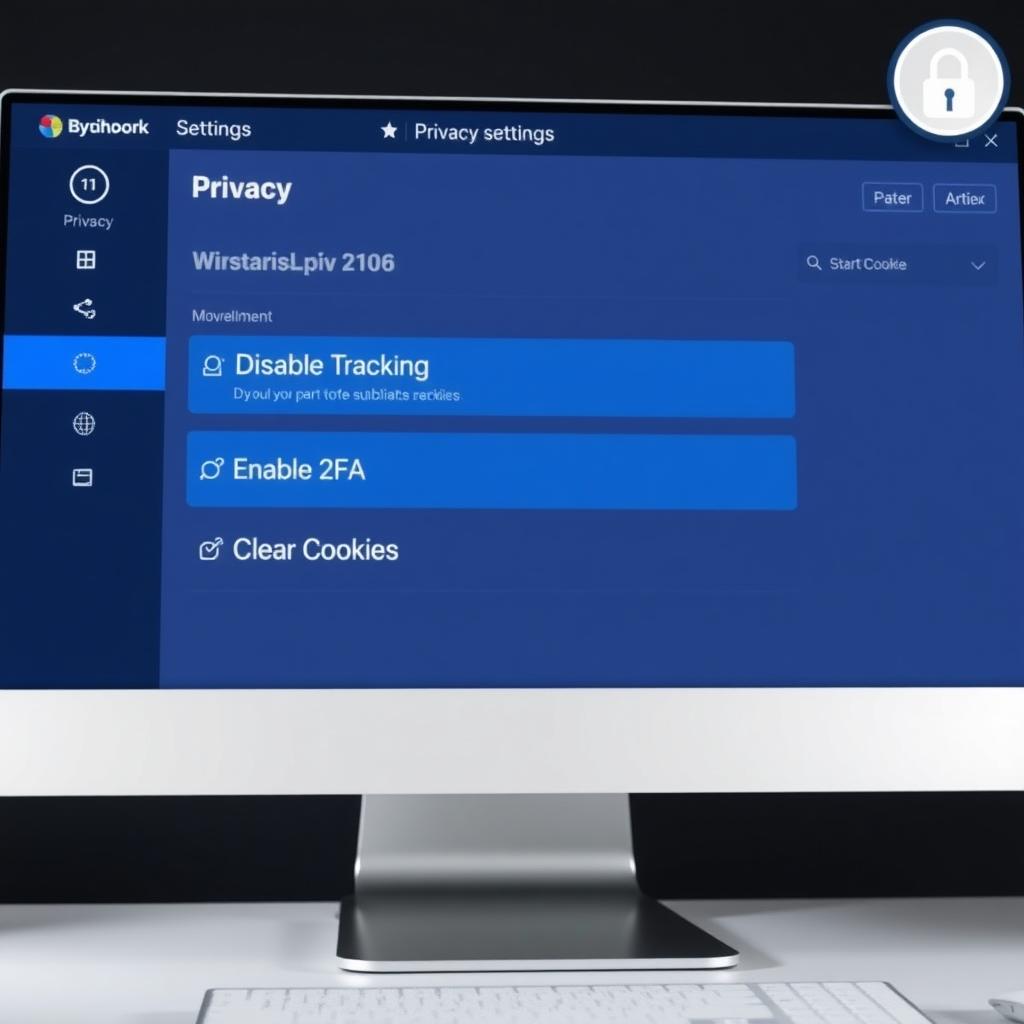
- Limit Data Sharing: Review privacy settings on social media and apps. Turn off unnecessary permissions, like location tracking when you’re not using an app.
- Use Strong Passwords: Create unique, complex passwords for each account. A password manager can help you keep track.
- Enable Two-Factor Authentication (2FA): Add an extra layer of security to your accounts with 2FA, like a code sent to your phone.
- Browse Privately: Use browsers like Brave or Firefox, which block trackers by default. I switched to Brave last year and noticed fewer creepy ads following me around.
- Regularly Clear Cookies: Cookies track your online activity. Clear them regularly or use a tool to block them automatically.
These steps are a great start, but to take your privacy to the next level, consider using dedicated online privacy tools.
Online Privacy Tools to Protect Your Data
Online privacy tools are your best defense against AI-driven data collection. Here are some top options:
| Tool | Purpose | Why It’s Great |
|---|---|---|
| Incogni | Removes personal data from data brokers | Automatically deletes your info from sites that sell it |
| ProtonMail | Encrypted email | Keeps your emails private from prying eyes |
| Signal | Secure messaging | End-to-end encryption for texts and calls |
| Brave Browser | Privacy-focused browsing | Blocks trackers and ads by default |
I’ve personally used ProtonMail for a year, and it’s reassuring to know my emails aren’t being scanned for ads. These tools work together to create a robust privacy shield.
How to Set Up Incogni to Delete Personal Data
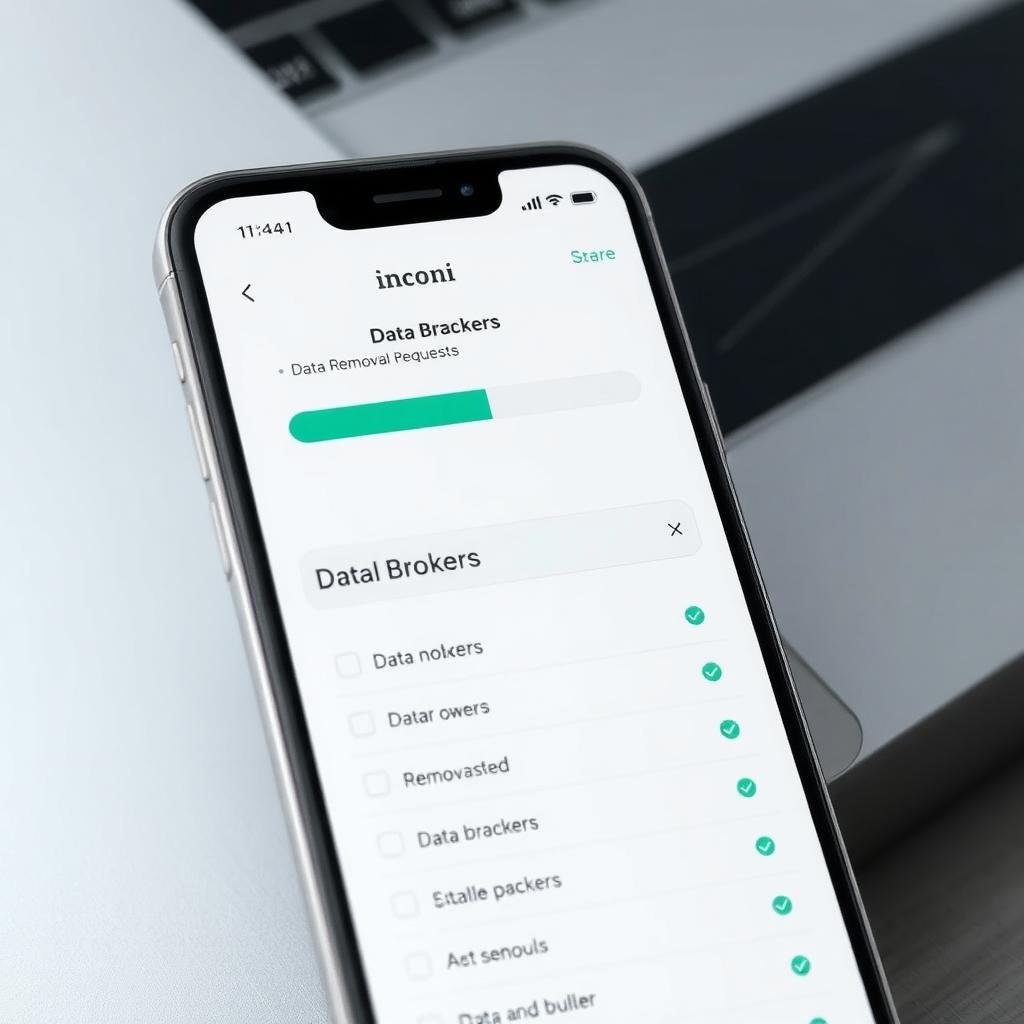
Incogni is a powerful tool for removing your personal information from data brokers—companies that collect and sell your data. Here’s how to set it up:
- Sign Up: Visit the Incogni website and create an account. You’ll need to provide basic details like your name and email.
- Authorize Data Removal: Incogni will ask for permission to contact data brokers on your behalf. This is safe and necessary for them to act.
- Provide Information: Enter details like your name, address, and phone number. Incogni uses this to find and remove your data from broker databases.
- Monitor Progress: Incogni sends regular updates on which brokers have been contacted and what data has been removed. It’s a hands-off process after setup.
I started using Incogni a few months ago, and it’s been eye-opening to see how many companies had my data. Within weeks, I noticed fewer spam calls and emails. It’s a small investment for peace of mind.
Regulations and Ethical AI Use
Governments are stepping in to address AI and online privacy risks and protections. Laws like the General Data Protection Regulation (GDPR) in Europe and the California Consumer Privacy Act (CCPA) require companies to be transparent about data use and get your consent. These laws are a start, but they’re not perfect. For example, GDPR’s data minimization rules limit what companies can collect, but big tech firms often find loopholes.
Ethical AI development is also key. Companies should use anonymized data for training AI and implement strict security to prevent breaches. As users, we can push for this by supporting companies that prioritize privacy and avoiding those that don’t.
The Role of Individuals in Privacy Protection
You have more power than you think. By making informed choices, you can reduce your digital footprint. For example, I stopped using apps that demand excessive permissions, like accessing my contacts for no reason. You can also support legislation for stronger privacy laws by contacting your representatives. Every small action counts, from using a VPN to being cautious about what you share online.
Future Outlook: Balancing AI and Privacy
AI will keep evolving, and so will the risks. But with the right tools and habits, you can stay ahead. The future of AI and online privacy depends on collective action—users demanding transparency, companies prioritizing ethics, and governments enforcing strong regulations. By taking control now, you’re not just protecting yourself; you’re shaping a safer digital world.
Summary
AI and online privacy risks and protections are intertwined in today’s digital age. AI’s data-hungry nature creates risks like breaches, unauthorized use, and bias, but you can fight back with simple steps to lock down your online privacy. Tools like Incogni, ProtonMail, and Brave make it easier to stay secure. By staying informed and proactive, you can enjoy AI’s benefits without sacrificing your privacy.