How to Pick the Best Cloud Storage for Privacy in 2025
Overview
In 2025, keeping your data private is more important than ever. With cyber threats on the rise, picking a secure cloud storage service can feel overwhelming. This guide breaks down how to choose the best cloud storage for privacy, comparing top options like Internxt and Mega, and highlighting key online privacy tools to keep your files safe.
Why Privacy Matters in Cloud Storage
Your personal files—photos, documents, financial records—are a treasure trove for hackers. Cloud storage offers convenience, but not all services prioritize your privacy. Some providers, like Google Drive or Dropbox, may scan your data or share it with third parties. Choosing a privacy-first service ensures your information stays yours.
Privacy-focused cloud storage uses strong encryption to protect your files. It also limits who can access your data, even within the company. In 2025, with data breaches increasing by 20% annually according to IBM’s 2024 Cost of a Data Breach Report, selecting a secure provider is critical.
Key Factors to Consider
To pick the best cloud storage for privacy in 2025, focus on these must-have features:
- End-to-End Encryption (E2EE): Your files are encrypted on your device before uploading, so only you can decrypt them.
- Zero-Knowledge Policy: The provider can’t access your files or encryption keys.
- Jurisdiction: Where the company and its servers are located affects data privacy laws.
- Open-Source Code: Transparent code lets experts verify security claims.
- Two-Factor Authentication (2FA): Adds an extra layer of account security.
These features ensure your data stays private, even if a provider’s servers are compromised.

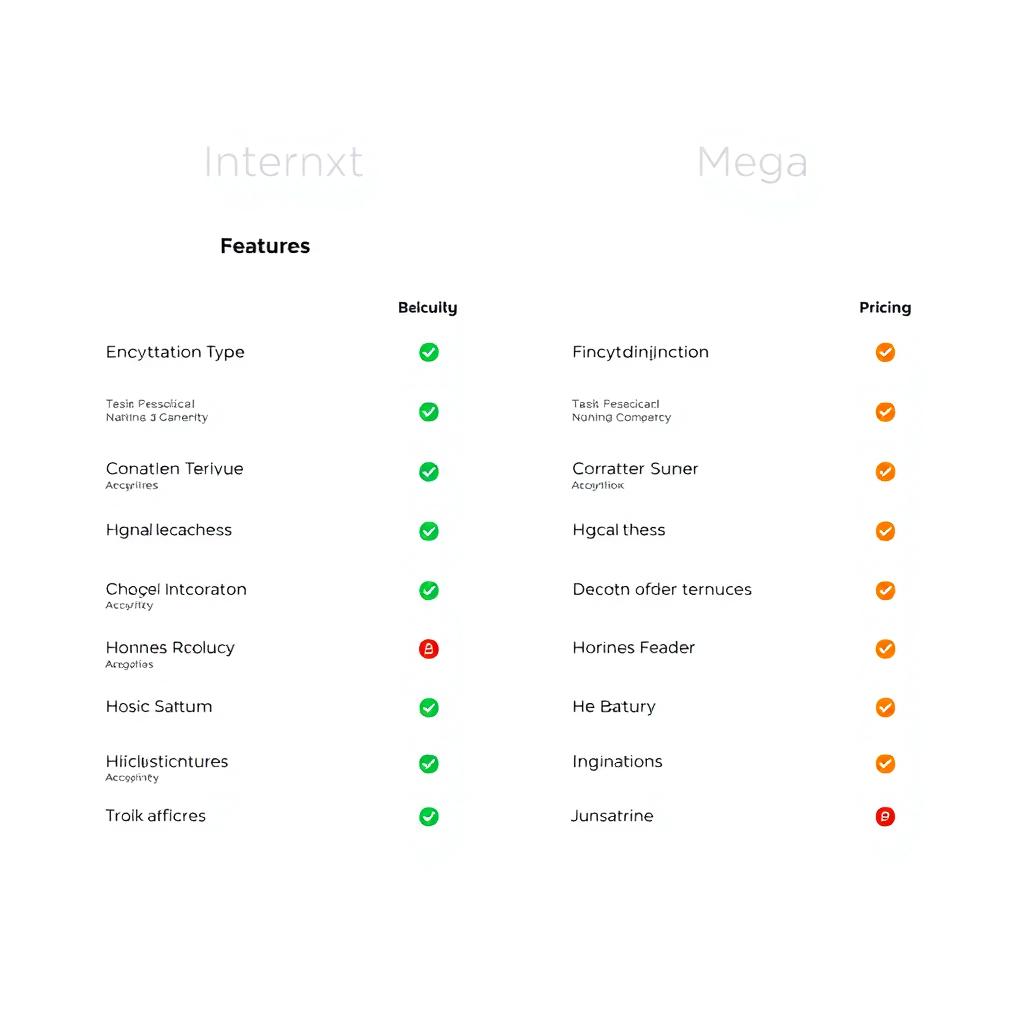
Internxt vs Mega: Comparison of Secure Cloud Storage
Two standout privacy-focused cloud storage providers in 2025 are Internxt and Mega. Both prioritize security, but they differ in features, pricing, and usability. Let’s dive into a head-to-head comparison to help you decide.
Internxt: Privacy-First Newcomer
Internxt, based in Spain, is a rising star in secure cloud storage. It offers zero-knowledge encryption across all plans, meaning even Internxt can’t access your files. Its open-source apps allow anyone to audit the code, boosting transparency. Internxt also uses quantum-resistant Kyber-512 encryption, a forward-thinking choice to protect against future quantum computing threats, as noted in a 2025 NIST report on post-quantum cryptography.
Pros: - Zero-knowledge encryption for all users - GDPR-compliant servers in the EU - Affordable lifetime plans (e.g., 1TB for $117) - Open-source and audited by Securitum
Cons: - Slower upload/download speeds - Limited collaboration features - Smaller free plan (1GB)
Mega: Established and Generous
Mega, founded in New Zealand, has been a privacy leader since 2013. It offers end-to-end encryption and a zero-knowledge policy for all accounts. With a generous 20GB free plan, it’s ideal for users needing ample storage without paying. However, Mega’s past controversies, like a 2022 security flaw reported by ETH Zurich, raise concerns about its reliability.
Pros: - 20GB free storage - Fast transfer speeds - Built-in encrypted chat and video calls - Flexible storage plans (2TB for $109.56/year)
Cons: - Past security vulnerabilities - Not open-source - New Zealand’s privacy laws are less strict than the EU’s GDPR
Which is Better?
Internxt shines for users who value transparency and cutting-edge encryption. Its EU base and GDPR compliance make it a strong choice for privacy enthusiasts. Mega, however, is better for those needing more free storage and faster speeds. If collaboration isn’t a priority, both are solid, but Internxt’s open-source approach gives it a slight edge for privacy purists.
Other Top Privacy-Focused Cloud Storage Options
Beyond Internxt and Mega, several providers excel in privacy. Here’s a quick look at three others worth considering:
| Provider | Free Storage | Encryption | Jurisdiction | Key Feature |
|---|---|---|---|---|
| Sync.com | 5GB | Zero-knowledge | Canada | Affordable plans |
| pCloud | 10GB | Zero-knowledge (paid) | Switzerland | Lifetime plans |
| Tresorit | 3GB | Zero-knowledge | Switzerland | Business-friendly |
- Sync.com: Known for affordability and whole-account encryption, but Canada’s privacy laws are less strict.
- pCloud: Offers optional zero-knowledge encryption and Swiss privacy laws, ideal for long-term users.
- Tresorit: Great for businesses with GDPR and HIPAA compliance, but pricier at $11.99/month for 1TB.
Each has unique strengths, so match them to your needs—budget, storage, or business compliance.
Online Privacy Tools to Enhance Cloud Security
Cloud storage is just one piece of the privacy puzzle. Pair it with these online privacy tools for maximum protection:
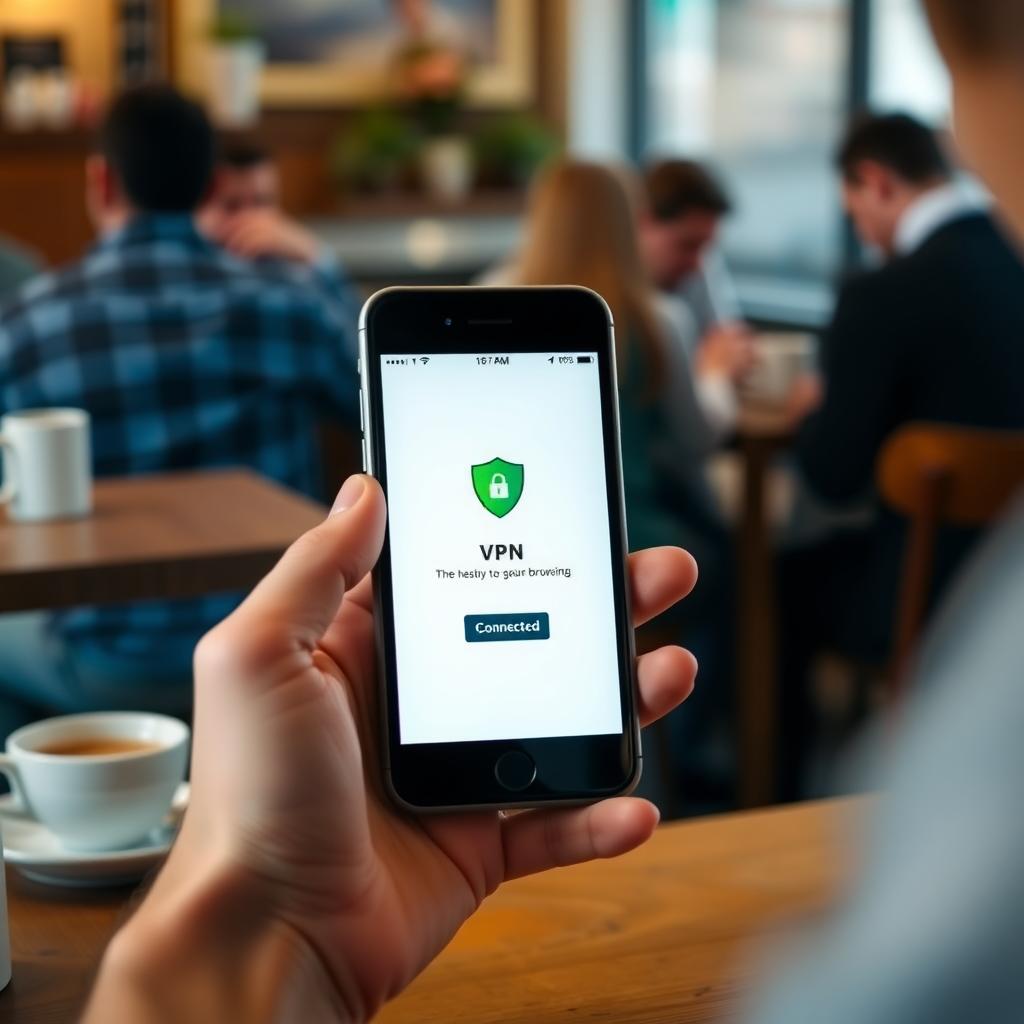
- VPNs: A Virtual Private Network hides your internet activity. ProtonVPN, bundled with Proton Drive, is a solid choice for privacy.
- Password Managers: Store complex passwords securely. Bitwarden is open-source and free.
- Encrypted File Tools: Use Cryptomator to encrypt files before uploading to less-secure clouds like Google Drive.
- Two-Factor Authentication Apps: Apps like Authy add an extra login step, keeping accounts safe.
These tools, combined with a privacy-first cloud provider, create a robust defense against data breaches. For example, using a VPN with Internxt ensures your uploads are encrypted and your IP is hidden, as recommended by Privacy International.
Practical Tips for Choosing Your Cloud Storage
Here’s how to pick the best cloud storage for privacy in 2025:
- Assess Your Needs: Do you need free storage, like Mega’s 20GB, or lifetime plans like Internxt’s?
- Check Jurisdiction: Opt for providers in privacy-friendly regions like the EU or Switzerland.
- Test Free Plans: Try services like Sync.com or Tresorit to gauge usability.
- Read Privacy Policies: Ensure the provider doesn’t collect or share your data.
- Enable 2FA: Always turn on two-factor authentication for extra security.
I’ve personally used Mega for its free storage and found it reliable for basic file backups. However, when I needed to store sensitive documents, I switched to Internxt for its open-source transparency and EU-based servers. Your choice depends on what you value most—free space or ironclad privacy.
Summary
Choosing the best cloud storage for privacy in 2025 means prioritizing end-to-end encryption, zero-knowledge policies, and strong jurisdictions. Internxt vs Mega offers a clear comparison: Internxt excels in transparency and quantum-resistant encryption, while Mega provides generous free storage and speed. Combine your choice with online privacy tools like VPNs and 2FA for maximum security. By focusing on these factors, you can keep your data safe in an increasingly connected world.