10 Tips for Better Network Security: Protecting Your Digital Life in 2025
Overview
In 2025, cyber threats are smarter and more persistent. From phishing scams to unsecured Wi-Fi, your home network is a prime target. These 10 Tips for Better Network Security offer practical, easy-to-follow steps to protect your data, secure your router, and boost online privacy using tools like NextDNS.
Why Network Security Matters
Your home network connects everything—phones, laptops, smart TVs, even your fridge. A single weak link can expose your personal data. I learned this the hard way when my neighbor’s unsecured Wi-Fi let hackers access their devices. Network security isn’t just for tech experts; it’s for anyone who values their digital safety. Let’s dive into 10 actionable tips to lock down your network.
1. Change Your Router’s Default Settings
Routers come with default usernames and passwords like “admin.” Hackers know these and can easily break in. Router Security: How to Safeguard Your Home Network starts here. Log into your router’s admin panel and change the default login immediately. Use a strong, unique password—think 12+ characters with letters, numbers, and symbols. I once helped a friend secure their router, and just this step stopped random connection attempts we spotted in the logs.
2. Enable WPA3 Encryption
Wi-Fi encryption keeps your network safe from eavesdroppers. WPA3 is the latest standard, offering stronger protection than WPA2 or outdated WEP. Check your router settings to enable WPA3. If your router doesn’t support it, consider upgrading. A secure Wi-Fi setup is a cornerstone of network security, ensuring outsiders can’t snoop on your traffic. Learn more about WPA3 from the Wi-Fi Alliance.
3. Hide Your Wi-Fi Network
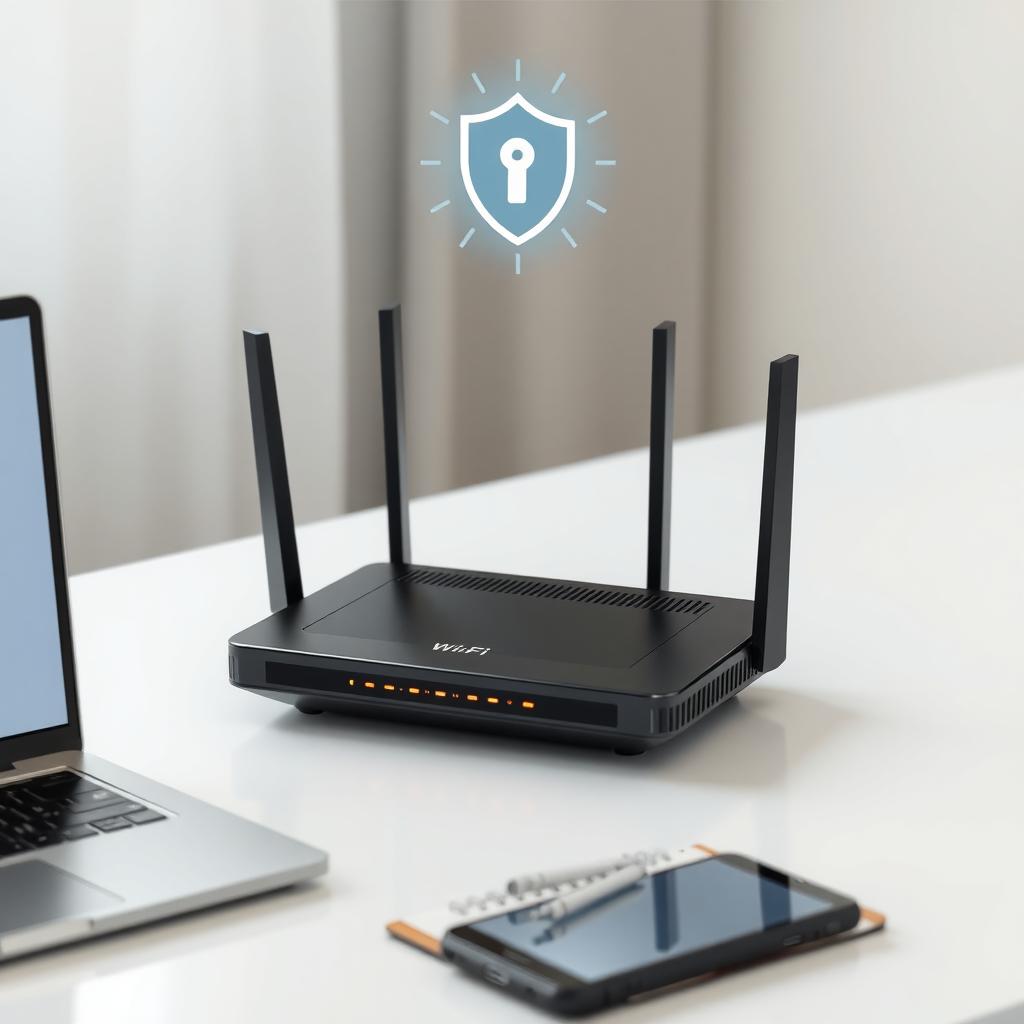
Your Wi-Fi’s SSID (network name) broadcasts to anyone nearby. Hiding it makes your network invisible to casual hackers. In your router settings, disable SSID broadcasting. You’ll need to manually enter the network name on your devices, but it’s a small price for extra security. I’ve used this trick for years, and it’s cut down on unauthorized connection attempts.
4. Set Up a Guest Network
Guests need Wi-Fi, but you don’t want them accessing your main network. Most routers let you create a guest network with a separate password. This keeps your primary devices safe while letting visitors connect. I set up a guest network for my family’s holiday gatherings, and it’s been a game-changer for keeping my main network secure.
5. Keep Your Router Firmware Updated
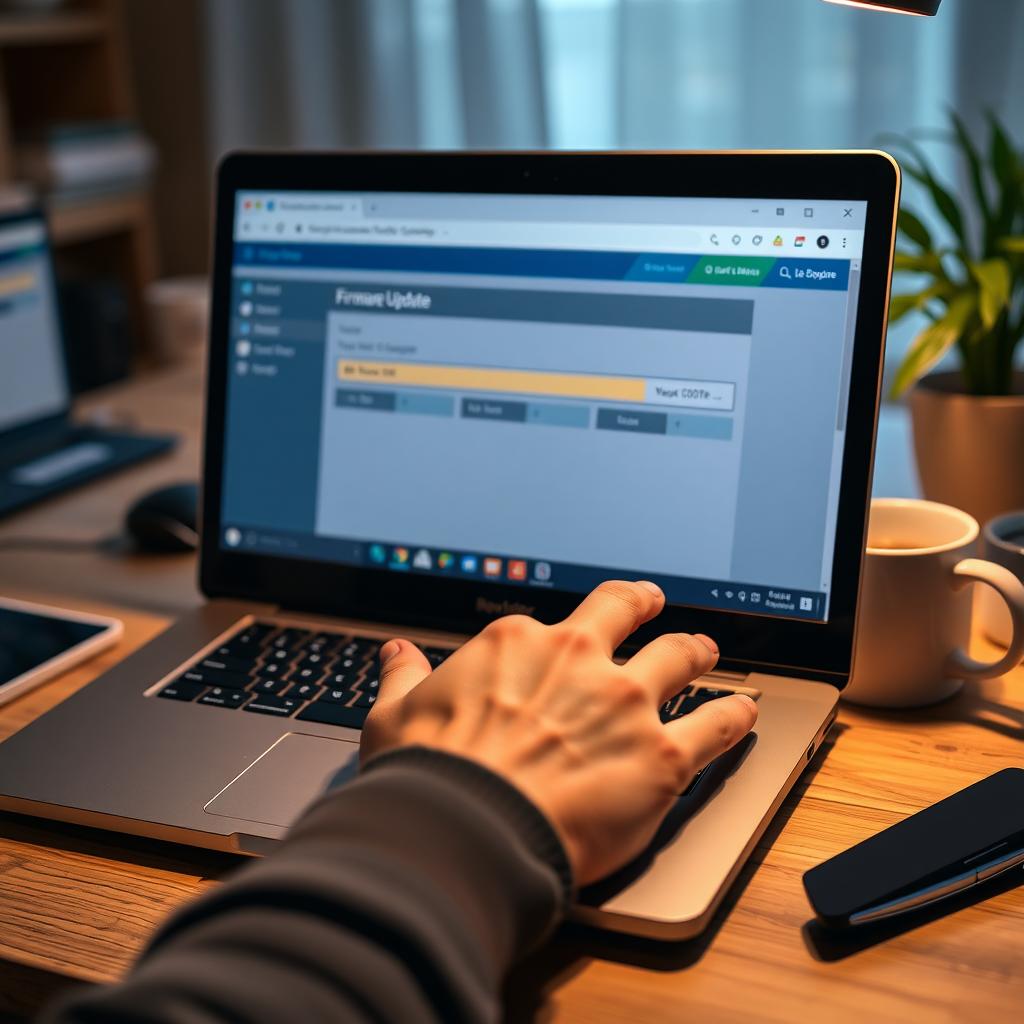
Outdated router firmware is a hacker’s dream. Updates fix security holes and improve performance. Check your router’s admin panel monthly for updates or enable automatic updates if available. According to a 2024 report from Carnegie Mellon University, unpatched routers were behind 30% of home network breaches. Explore router vulnerabilities at Carnegie Mellon’s CERT Division.
6. Use a Firewall
A firewall is like a gatekeeper for your network, blocking unauthorized access. Most routers have built-in firewalls—make sure they’re enabled. For extra protection, install software firewalls on your devices. I monitor my router’s firewall logs weekly to spot suspicious activity, like repeated login attempts from unknown IPs.
7. Leverage NextDNS for Ad and Tracker Blocking
NextDNS is a powerful tool for boosting online privacy and security. It acts as a cloud-based DNS resolver, filtering out malicious websites, ads, and trackers. Setting it up is simple, even for beginners. Here’s a quick NextDNS setup guide for blocking ads and trackers:
- Sign up at NextDNS.io.
- Copy your unique Configuration ID from the dashboard.
- On your router, go to DNS settings and enter NextDNS’s servers (found in the Setup tab).
- Enable blocklists like EasyPrivacy to stop ads and trackers.
- Optionally, install the NextDNS app on devices for easier management.
I’ve used NextDNS for two years, and it’s blocked thousands of trackers, making my browsing faster and safer. Read NextDNS’s privacy policy for transparency.
8. Enable Two-Factor Authentication (2FA)
For accounts tied to your network—like your router admin panel or NextDNS dashboard—enable 2FA. This adds a second verification step, like a code sent to your phone. I started using 2FA after a friend’s email was hacked, and it’s saved me from potential breaches. It’s a simple way to add a strong layer of security.
9. Back Up Your Data Regularly
Backups protect you from ransomware and data loss. Schedule automatic backups to a cloud service or external drive. Test your backups monthly to ensure they work. I keep my backups encrypted and offline to prevent hacker access. In 2025, backups are non-negotiable for network security, especially with ransomware attacks up 40% from last year, per NIST. Learn backup best practices from NIST.
10. Use Online Privacy Tools
Beyond NextDNS, other online privacy tools can strengthen your network. Tools like uBlock Origin block ads in browsers, while privacy-focused browsers like Tor enhance anonymity. I pair NextDNS with uBlock Origin for layered protection, cutting down on pop-ups and trackers. For sensitive tasks, I use Tor to keep my activity private. These tools are easy to set up and make a big difference.
Comparing Network Security Tools
| Tool | Key Feature | Free Tier | Best For |
|---|---|---|---|
| NextDNS | Blocks ads, trackers, and malicious sites | 300,000 queries/month | Network-wide privacy |
| uBlock Origin | Browser-based ad and tracker blocking | Free | Browser security |
| Tor Browser | Anonymous browsing | Free | High-privacy tasks |
| Cloudflare 1.1.1.1 | Fast, privacy-focused DNS | Free | Speed and privacy |
Choose tools based on your needs—NextDNS for network-wide protection, Tor for anonymity.
Summary
Securing your home network in 2025 doesn’t have to be complicated. By following these 10 Tips for Better Network Security—from changing router settings to using online privacy tools like NextDNS—you can protect your data and devices. Start with one tip, like setting up NextDNS, and build from there. Stay proactive, and your network will stay safe.