Emerging Data Privacy Trends in 2025: Protect Your Online Presence
Overview
In 2025, data privacy is more critical than ever. With new laws, advanced tech, and growing cyber threats, protecting your personal information is a must. This article dives into the emerging data privacy trends in 2025, shares simple steps to lock down your online privacy, and explains how to set up Incogni to delete personal data. Let’s explore how to stay safe online.
Why Data Privacy Matters in 2025
I’ve always been cautious about sharing personal details online, but last year, a friend’s identity was stolen after a data breach. It was a wake-up call. Data breaches cost companies an average of $4.62 million in 2024, and that number is climbing. Personal information like your name, address, or even health data is a goldmine for cybercriminals. The good news? New trends and tools are making it easier to protect yourself.
In 2025, governments, businesses, and individuals are stepping up. From stricter laws to smarter tech, the focus is on giving you control over your data. But with so much happening, it’s easy to feel overwhelmed. Let’s break down the key emerging data privacy trends in 2025 and how you can act on them.

Top Emerging Data Privacy Trends in 2025
1. Stricter Global Privacy Laws
Governments worldwide are cracking down. By early 2025, 144 countries have data protection laws covering 79% of the global population. In the U.S., 21 states have passed privacy laws, like California’s CCPA and Minnesota’s MCDPA. These laws give you rights to access, correct, or delete your data. For example, I used the CCPA to request a company remove my old email address from their database—it worked.
2. AI-Powered Privacy Tools
Artificial intelligence is changing the game. AI tools now detect phishing scams in real-time, saving you from fraudulent emails or texts. I recently tried an AI scam detector that flagged a suspicious message before I clicked a link. These tools analyze patterns and spot threats faster than humans can.
3. Privacy-Enhancing Technologies (PETs)
PETs, like fully homomorphic encryption (FHE), let companies process data without exposing it. Imagine your medical records being analyzed without ever being decrypted. Gartner predicts 60% of large businesses will use PETs by 2025. This tech is a big deal for sensitive industries like healthcare.
4. Data Clean Rooms
Data clean rooms are secure spaces where companies share data without compromising privacy. Advertisers use them to measure campaign success without exposing your personal info. Search interest in data clean rooms has surged 4,600% in five years, showing their growing role.
5. Consumer Control and Transparency
People want control. In 2025, expect user-friendly tools to manage privacy settings. I’ve noticed apps now offer clear opt-out options, thanks to laws like GDPR. Transparency is key—96% of businesses say they have an ethical duty to handle data properly.
Simple Steps to Lock Down Your Online Privacy
Protecting your data doesn’t have to be hard. Here are simple steps to lock down your online privacy that I’ve used myself:
- Use Strong, Unique Passwords: I use a password manager to create and store complex passwords. Only 33% of internet users change passwords regularly, but it’s a game-changer.
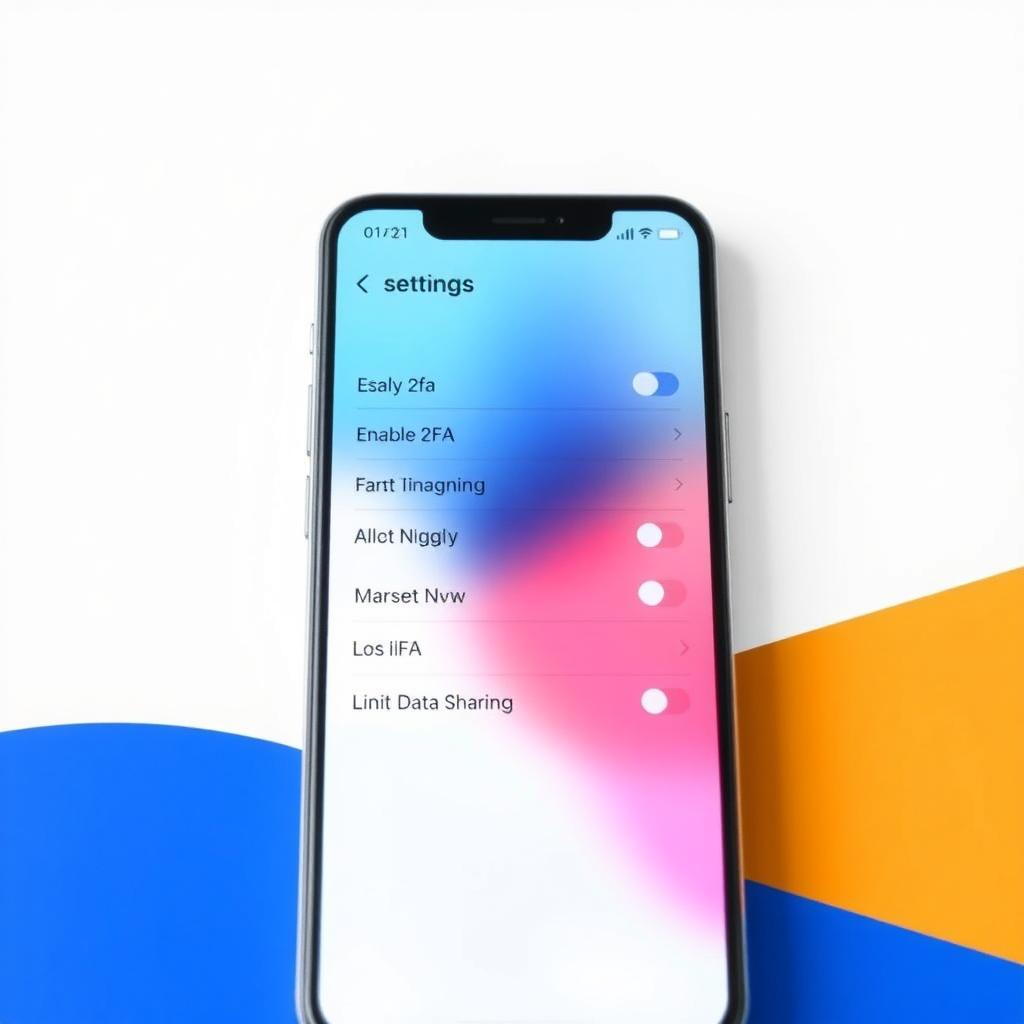
- Enable Two-Factor Authentication (2FA): Add an extra layer of security to your accounts. I turned on 2FA for my email and haven’t had a scare since.
- Limit Data Sharing: Check app permissions. I stopped a fitness app from accessing my contacts—it didn’t need them.
- Use a VPN: A VPN encrypts your internet connection. I use one when browsing on public Wi-Fi to keep my data safe.
- Regularly Check for Data Leaks: Tools like Incogni or free data leak checkers show if your info is exposed. I found my email on a shady site and took action.
How to Set Up Incogni to Delete Personal Data
Data brokers collect and sell your info without you knowing. I was shocked to find my address on a people-search site. That’s where online privacy tools like Incogni come in. Incogni automates the process of removing your data from over 270 data brokers. Here’s how to set up Incogni to delete personal data in a few easy steps:
- Sign Up: Visit Incogni’s website and create an account with your email and a password. It’s quick and straightforward.
- Fill in Your Info: Provide your name, address, phone number, and date of birth. I added multiple addresses to cover past residences.
- Sign the Authorization Form: This lets Incogni act on your behalf. It’s a legal step to ensure data brokers comply.
- Start the Removal Process: Incogni’s algorithm identifies brokers likely to have your data and sends removal requests. I got a report within days showing 40 sites flagged.
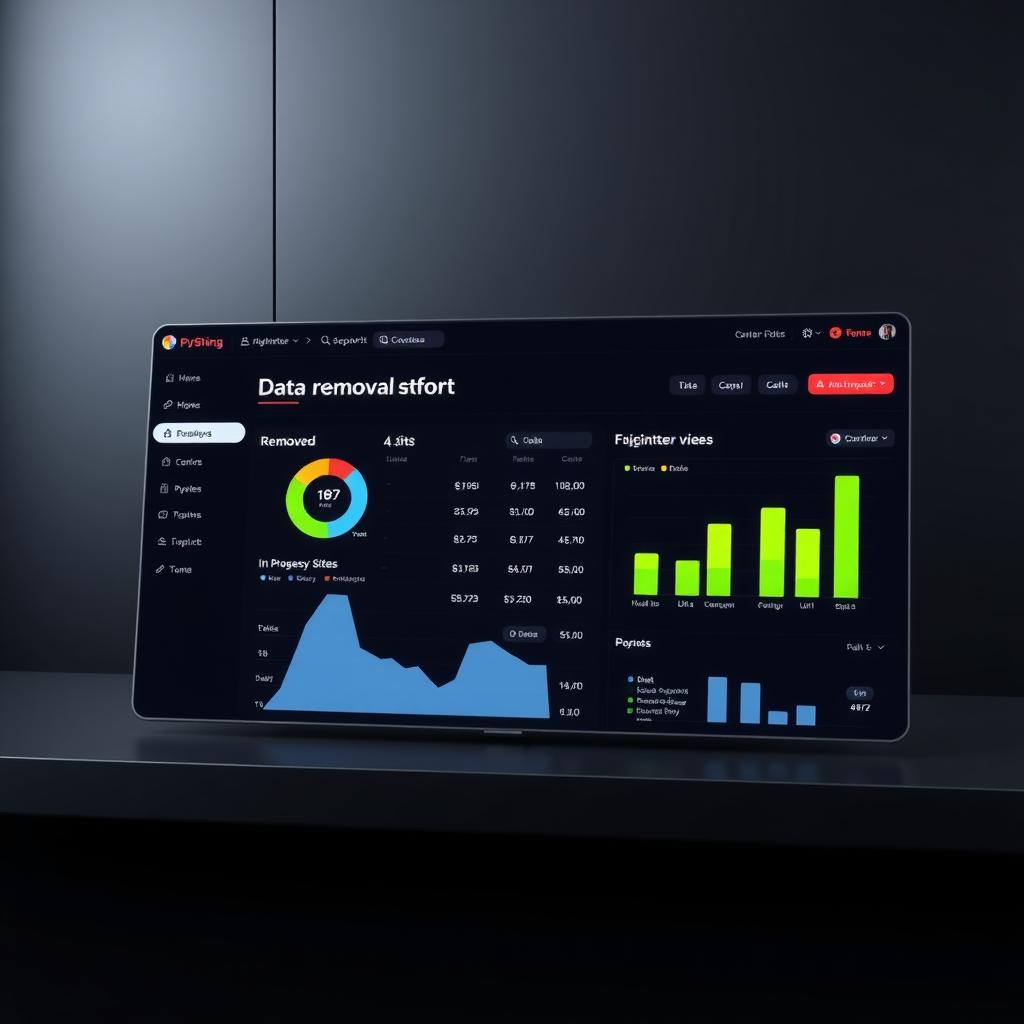
- Monitor Progress: Check Incogni’s dashboard for updates. It took about two weeks for most of my data to be removed, with some sites still in progress.
Incogni uses laws like GDPR and CCPA to enforce requests, making it powerful. It’s not a one-time fix—data brokers can relist your info, so Incogni keeps scanning. Plans start at $8.29/month, which I found worth it for the peace of mind.
Other Online Privacy Tools to Consider
Incogni isn’t the only tool out there. Here’s a quick comparison of popular online privacy tools:
| Tool | Coverage | Price (Annual) | Key Feature |
|---|---|---|---|
| Incogni | 270+ sites | $89.88 | Automated removal |
| DeleteMe | 750+ sites | $129 | Human-driven process |
| Optery | 640+ sites | Varies | DIY options |
| Privacy Bee | 900+ sites | Varies | Broad coverage |
I’ve tried DeleteMe too, and it’s thorough but slower. If you want automation, Incogni’s speed is hard to beat. For extra protection, pair these with a VPN like NordVPN or antivirus software.
Challenges and Tips for Staying Ahead
Despite these advancements, challenges remain. Data breaches are up, with 2,116 reported in the first nine months of 2023 alone. AI can be a double-edged sword—while it powers privacy tools, it also risks exposing data if misused. I learned this when an AI chatbot I used stored my conversation data until I opted out.
Here are some tips to stay ahead: - Read Privacy Policies: Only 22% of Americans read these in full, but skimming for key terms like “data sharing” helps. - Opt Out of AI Training: Tools like ChatGPT let you opt out of data training. I did this to keep my chats private. - Stay Informed: Follow privacy news. I check sites like Privacy Horizon for updates on laws and tools.
By staying proactive, you can reduce risks and take control of your online privacy.
Summary
The emerging data privacy trends in 2025 show a world prioritizing protection. Stricter laws, AI tools, and PETs are empowering users, but you need to act. Use simple steps to lock down your online privacy, like strong passwords and 2FA, and tools like Incogni to remove your data. Stay vigilant, and your digital life will be safer.