The Importance of Password Security in 2025: Safeguard Your Digital Life
Overview
In 2025, our lives are more online than ever, from banking to socializing. But with this digital freedom comes risk. Weak passwords can lead to identity theft, financial loss, and data breaches. Understanding the importance of password security is key to staying safe. This guide shares practical steps and tools to protect your digital life.
Why Password Security Matters
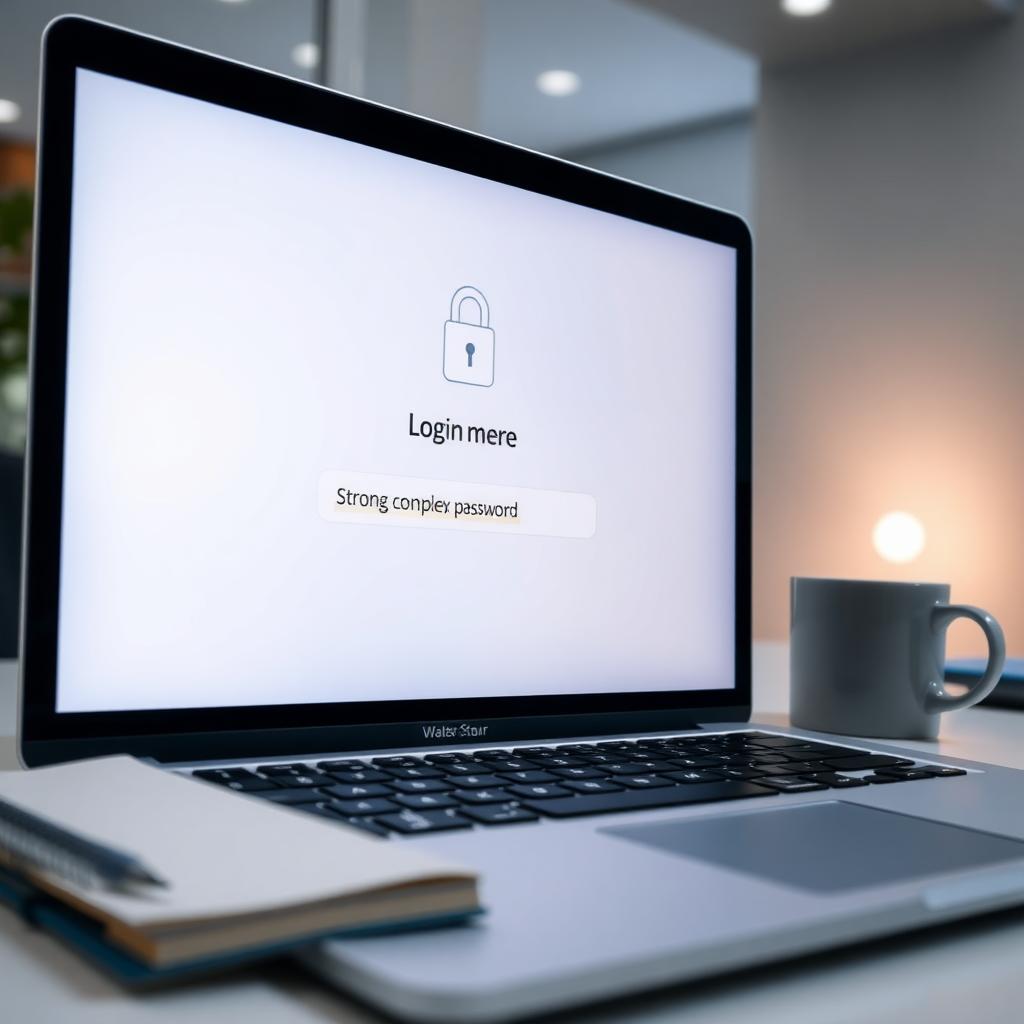
Every day, we log into apps, websites, and devices, each requiring a password. These passwords are the first line of defense against hackers. A single weak password can expose your personal data, like your name, address, or bank details. In 2024, data breaches exposed billions of records, with many tied to poor password practices. The importance of password security cannot be overstated—it’s your shield in a world where cybercriminals are always watching.
Consider this: a hacker only needs one compromised password to access your email, which can then unlock other accounts. From there, they can steal money, impersonate you, or sell your data on the dark web. I’ve seen friends lose access to social media accounts because they reused a simple password like ‘password123.’ It’s a small mistake with big consequences.
Common Password Mistakes to Avoid
Many of us are guilty of bad password habits. Here are the top mistakes I’ve noticed people make:
- Reusing passwords: Using the same password across multiple sites is risky. If one site is breached, all your accounts are vulnerable.
- Simple passwords: Short passwords or those based on personal info (like birthdays) are easy to guess.
- Not using 2FA: Two-factor authentication (2FA) adds an extra layer of security, yet many skip it.
- Storing passwords unsafely: Writing passwords on sticky notes or saving them in unencrypted files is a recipe for disaster.
I used to reuse passwords because remembering unique ones felt overwhelming. But after learning about a massive breach in 2023 that exposed millions of reused credentials, I changed my approach. Now, I rely on tools to keep my accounts secure, and I’ve never felt safer.
Simple Steps to Lock Down Your Online Privacy
Protecting your accounts doesn’t have to be complicated. Here are simple steps to lock down your online privacy that anyone can follow:
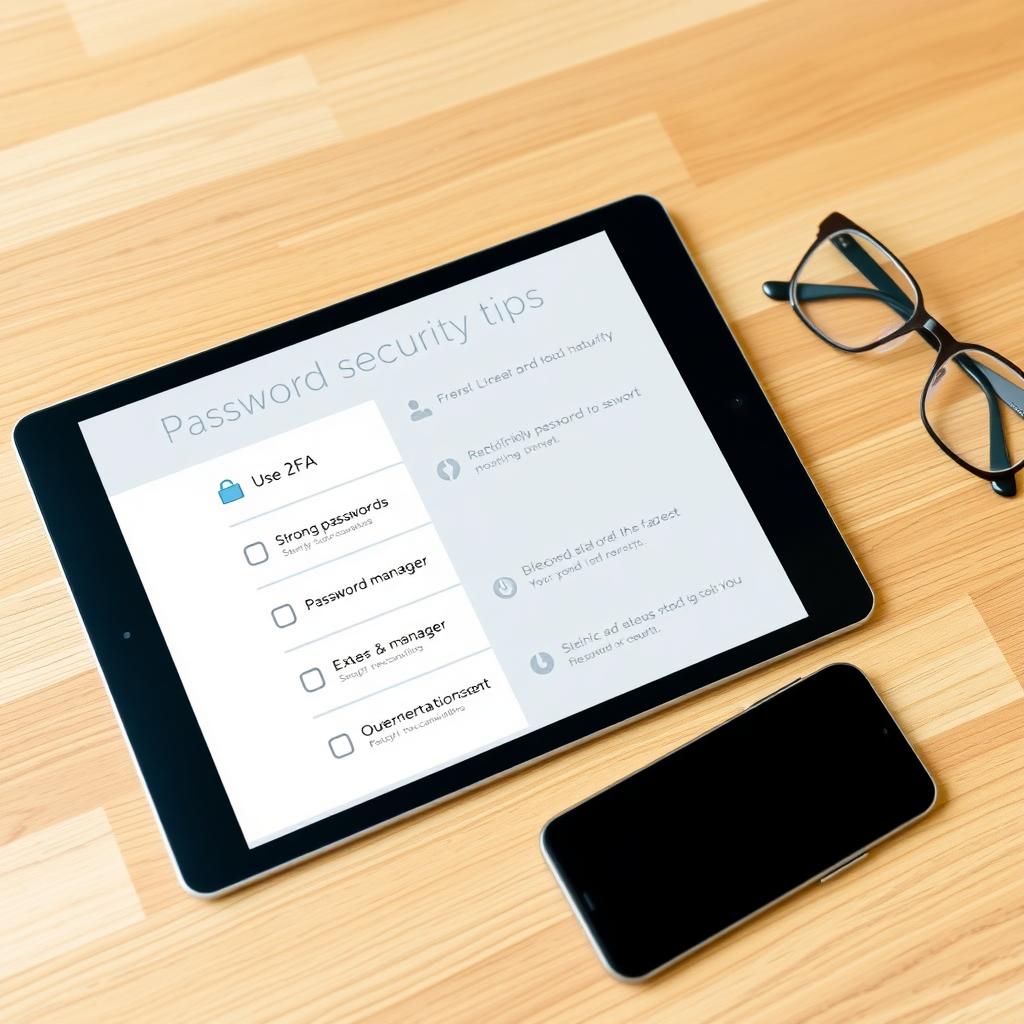
- Create Strong Passwords: Aim for at least 12-16 characters, mixing letters, numbers, and symbols. Avoid personal info like names or birthdays.
- Use a Password Manager: Tools like 1Password or Bitwarden generate and store complex passwords securely. They’re easy to use and save time.
- Enable 2FA: Activate 2FA on every account that offers it. Apps like Google Authenticator provide codes that change every 30 seconds, making unauthorized access nearly impossible.
- Regularly Update Passwords: Change passwords every 6-12 months, especially after a data breach.
- Check for Leaks: Use services like Have I Been Pwned to see if your email or passwords have been exposed in breaches.
These steps transformed how I manage my online security. For example, enabling 2FA on my email took five minutes but gave me peace of mind knowing hackers would need more than just my password to get in.
Best Privacy Tools for Online Safety in 2025
In 2025, best privacy tools for online safety go beyond passwords to protect your entire digital footprint. Here are my top picks:
| Tool | Purpose | Why It’s Great |
|---|---|---|
| 1Password | Password Manager | Stores and generates strong passwords securely. |
| NordVPN | VPN | Encrypts your internet connection for private browsing. |
| Incogni | Data Removal | Deletes your personal info from data brokers. |
| DuckDuckGo | Private Search | Prevents tracking of your search history. |
| ProtonMail | Encrypted Email | Keeps your emails private with end-to-end encryption. |
These online privacy tools work together to create a robust defense. For instance, I use NordVPN when connecting to public Wi-Fi, and it’s saved me from potential snooping on unsecured networks.
How to Set Up Incogni to Delete Personal Data
Data brokers collect and sell your info, from your address to your browsing habits. How to set up Incogni to delete personal data is a game-changer for privacy. Here’s how to get started:
- Sign Up: Visit Incogni’s website and choose a plan (Standard or Unlimited). The Standard plan starts at $8.29/month and covers 270+ data brokers.
- Create a Profile: Provide your name, email, address, and phone number. Incogni uses this to find and remove your data from brokers.
- Sign Authorization Form: This allows Incogni to act on your behalf, contacting brokers to delete your info.
- Monitor Progress: Check your dashboard for updates. Incogni sends regular reports on removal requests and completions.
- Stay Protected: Incogni continuously scans for new brokers, ensuring your data stays off their lists.
I tested Incogni for a month and was impressed. It found 79 files with my data and removed 100 by week two. It’s a set-and-forget tool that saves time while boosting privacy. If you’re serious about the importance of password security and data protection, Incogni is a must-have.

The Rise of Passkeys: The Future of Passwords?
Passwords are evolving. Passkeys, which use biometric or cryptographic authentication, are gaining traction in 2025. They’re more secure and don’t require memorization. Companies like Google and Apple are pushing passkeys, but adoption is slow. For now, combining strong passwords with online privacy tools remains the best approach. I’m excited about passkeys but sticking with my password manager until they’re widely supported.
Real-World Impact of Strong Passwords
A colleague once ignored password security, using ‘123456’ for their banking app. A phishing attack cost them $2,000. After switching to a password manager and 2FA, they’ve had no issues. Stories like this show why the importance of password security is more than theory—it’s about protecting your life.
Summary
In 2025, the importance of password security is undeniable. Strong passwords, 2FA, and tools like Incogni and NordVPN are your best defense against cyber threats. By following simple steps to lock down your online privacy, you can browse, shop, and connect with confidence. Start today—your digital safety depends on it.