2025 Privacy Laws and Consumer Protections Guide: Safeguard Your Data
Overview
In 2025, protecting your personal data is more critical than ever. With cybercrime costs projected to hit $10.5 trillion globally, new U.S. state privacy laws are stepping up to give consumers more control. This 2025 privacy laws and consumer protections guide walks you through the latest regulations, practical steps to lock down your online privacy, and tools like Incogni to delete your personal data from the web.
Why Privacy Laws Matter in 2025
Data breaches, identity theft, and online tracking are on the rise. Every time you shop online, browse social media, or sign up for a newsletter, you leave a digital footprint. Without proper safeguards, this data can end up in the hands of advertisers, hackers, or data brokers. In 2025, eight U.S. states—Delaware, Iowa, Nebraska, New Hampshire, New Jersey, Tennessee, Minnesota, and Maryland—are rolling out new privacy laws to give you more power over your personal information. These laws, inspired by pioneers like California’s Consumer Privacy Act (CCPA), aim to ensure transparency and accountability from businesses handling your data.
I’ve seen firsthand how overwhelming it can feel to navigate the digital world while trying to keep your information private. A few years ago, a friend had their identity stolen after a data breach exposed their email and banking details. It took months to resolve, and it was a wake-up call for me to take my online privacy seriously. These new laws are a step in the right direction, but they also mean you need to know your rights and how to act on them.
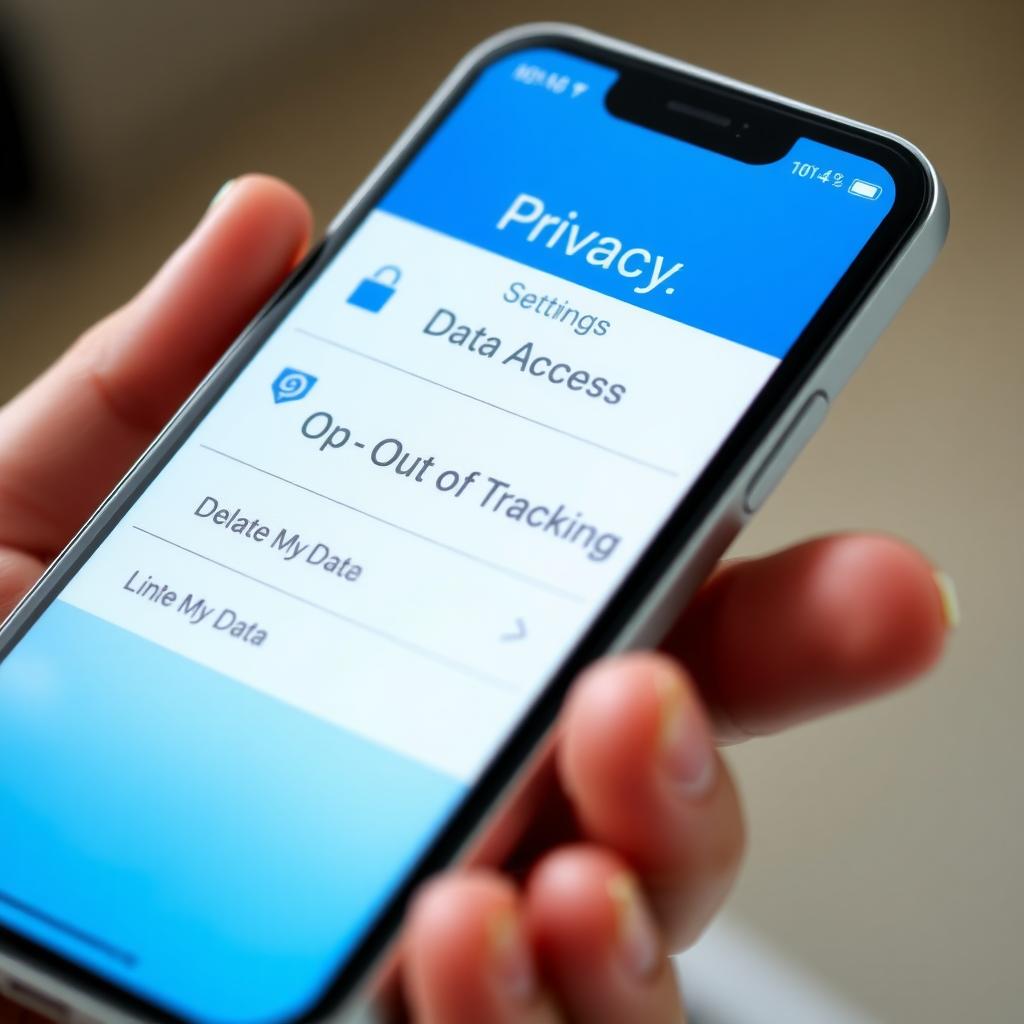
Key Features of 2025 Privacy Laws
The new state laws share common goals: giving you control over your data and holding businesses accountable. Here’s what they offer:
- Right to Access: You can see what data a company has on you.
- Right to Delete: You can request companies delete your personal information.
- Right to Opt-Out: You can stop companies from selling or sharing your data for targeted ads.
- Right to Correct: You can fix inaccurate data, like an outdated address.
- Data Minimization: Companies must limit data collection to what’s necessary.
Each state has unique twists. For example, Minnesota’s law lets you challenge profiling decisions, like those used in automated hiring systems. Maryland bans geofencing near health facilities, protecting sensitive location data. Delaware’s low threshold (10,000 consumers if 20% of revenue comes from data sales) means even smaller businesses must comply. These differences make it essential to understand the laws in your state.
To learn more about specific state regulations, check out the International Association of Privacy Professionals’ state law tracker, a reliable resource for staying updated on U.S. privacy laws.
Simple Steps to Lock Down Your Online Privacy
Laws are great, but they’re only part of the solution. You need to take action to protect yourself. Here are simple steps to lock down your online privacy that I’ve found effective:
- Use Strong Passwords: Create unique, complex passwords for each account. A password manager like LastPass or Bitwarden can generate and store them securely.
- Enable Two-Factor Authentication (2FA): Add an extra layer of security by requiring a code from your phone or an authenticator app. Google reports that 2FA reduces account breaches by up to 50%.
- Adjust Privacy Settings: Review settings on social media and browsers. Turn off third-party cookies and limit app permissions for location or microphone access.
- Minimize Your Digital Footprint: Delete old accounts and avoid oversharing personal details online. Services like Incogni can help remove your data from brokers.
- Use a VPN: A Virtual Private Network hides your IP address, making it harder for trackers to follow you. I use NordVPN on public Wi-Fi—it’s a game-changer.
These steps don’t take much time but make a big difference. I started using a VPN after noticing ads following me across websites. It felt like reclaiming a bit of my digital freedom.

How to Set Up Incogni to Delete Personal Data
Data brokers collect and sell your information, often without your knowledge. How to set up Incogni to delete personal data is a question I get a lot, and it’s a tool I’ve used myself to clean up my online presence. Incogni automates the process of contacting data brokers to remove your details. Here’s how to get started:
- Sign Up: Visit Incogni’s official website and create an account. You’ll need to provide basic details like your name and email.
- Provide Information: Enter the personal data you want removed, such as your phone number, address, or email. Be thorough—brokers have more data than you might think.
- Authorize Requests: Incogni sends opt-out requests to data brokers on your behalf. You’ll need to authorize these requests initially.
- Monitor Progress: Incogni’s dashboard tracks which brokers have been contacted and the status of your data removal. It’s satisfying to see the list shrink!
- Ongoing Protection: Incogni continuously monitors and re-requests removals, as some brokers may relist your data.
I was shocked to see how many brokers had my info—over 50 in my case! After a month with Incogni, I noticed fewer spam calls and targeted ads. It’s not perfect, but it’s a solid start.
Top Online Privacy Tools for 2025
Beyond Incogni, several online privacy tools can help you stay secure. Here’s a quick rundown of my favorites:
| Tool | Purpose | Why It’s Great |
|---|---|---|
| NordVPN | Encrypts internet traffic | Fast, reliable, and no-logs policy |
| ProtonMail | Secure email | End-to-end encryption for sensitive messages |
| Signal | Encrypted messaging | Open-source and privacy-first |
| Brave Browser | Blocks trackers | Speeds up browsing while protecting data |
These tools are user-friendly and don’t require tech expertise. I switched to ProtonMail for work emails after a phishing scare, and it’s been a relief knowing my messages are encrypted. For more on secure browsing, the Electronic Frontier Foundation offers great guides on privacy tools.

Challenges and Tips for Staying Compliant
For businesses, complying with 2025 privacy laws can be tricky due to varying state rules. For example, Iowa offers a 90-day cure period for violations, while Maryland’s strict data minimization rules leave little room for error. As a small business owner myself, I’ve learned that transparency is key. Update your privacy policy to clearly explain what data you collect and how consumers can opt out. Conduct regular data audits to avoid surprises.
For consumers, don’t assume companies will automatically respect your rights. Actively submit requests to delete or access your data. If a company ignores you, file a complaint with your state’s attorney general. The Federal Trade Commission’s privacy resources are a great starting point for understanding your rights.
Looking Ahead
The 2025 privacy laws and consumer protections guide shows a clear trend: privacy is becoming a priority. With new laws empowering consumers and tools like Incogni making data removal easier, you have more control than ever. But it’s up to you to take action. Start with small steps—enable 2FA, use a VPN, and explore data removal services. Your digital security is worth the effort.