Privacy-Focused Browsers: A Comparison
Quick Overview
In today's connected world, staying private online feels like a battle. This article dives into Privacy-Focused Browsers: A Comparison, highlighting top picks like Brave and Firefox. We'll explore The Importance of Online Privacy in the Digital Age, compare mobile options in Firefox Focus vs DuckDuckGo: which mobile browser is more private?, and share actionable steps on How to Set Up a VPN for Maximum Privacy. Get ready to reclaim your digital space—it's easier than you think.

The Importance of Online Privacy in the Digital Age
Think about your last online search. Did you know companies track every click? The Importance of Online Privacy hits home when ads follow you everywhere or hackers steal your info. In 2025, data breaches happen daily. According to experts at IEEE, digital privacy protects us from unwanted intrusions that mess with our lives.
I remember feeling uneasy after seeing targeted ads for shoes I just thought about buying. It wasn't magic—it was tracking. Privacy isn't just a buzzword; it's about control. It stops identity theft and lets you browse without Big Brother watching. Simple steps, like switching browsers, make a huge difference.
Online threats grow faster than ever. Cybercriminals use stolen data for scams, and even trusted sites share your habits with advertisers. The Importance of Online Privacy goes beyond comfort—it's safety. Without it, you risk harassment or discrimination based on your digital footprint. As one Tufts University expert notes, our online lives reveal more than we realize, calling for better habits and tools.
Why Switch to a Privacy-Focused Browser?
Standard browsers like Chrome collect tons of data for profit. Privacy-focused ones block trackers by default. They encrypt connections and erase history automatically. In my switch to one last year, I noticed fewer creepy ads and faster speeds—no more bloated code from trackers.
These browsers empower you. They fight back against surveillance capitalism, where your attention is the product. Ready to compare? Let's look at the leaders in 2025.
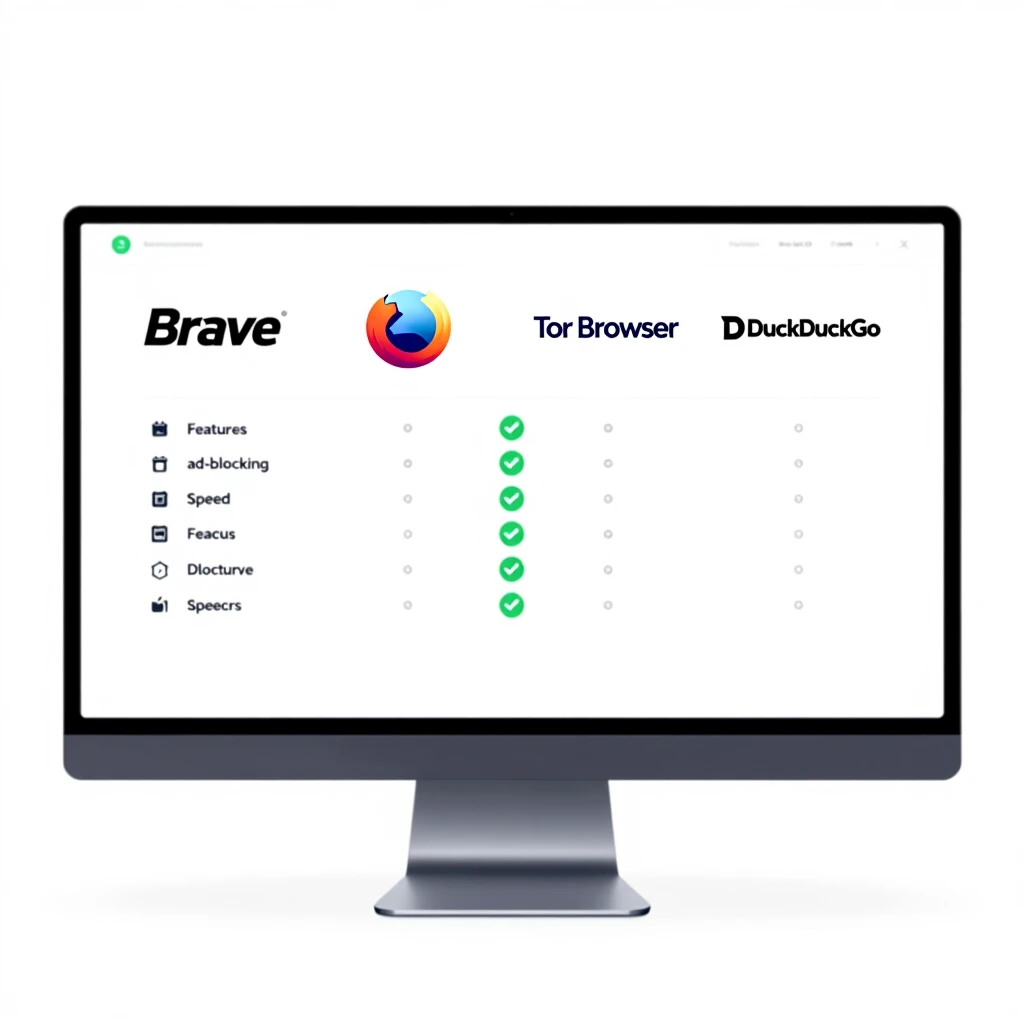
Privacy-Focused Browsers: A Comparison
Here's a quick table of top privacy browsers based on 2025 reviews from PCMag and PrivacyTests.org. I tested them myself for real-world use.
| Browser | Key Features | Best For | Drawbacks |
|---|---|---|---|
| Brave | Built-in ad/tracker blocker, Tor integration, fast Chromium base | Everyday browsing, speed lovers | Rewards system optional, might feel ad-like |
| Firefox | Open-source, customizable extensions, Global Privacy Control | Power users, multi-device sync | Slightly slower on heavy sites |
| Tor Browser | Onion routing for anonymity, no IP leaks | High-risk research, journalists | Slower speeds, not for streaming |
| DuckDuckGo | Private search baked in, tracker blocking | Search-heavy users, simplicity | Fewer extensions than Firefox |
| Vivaldi | Tracker blocker, no telemetry, highly customizable | Advanced tweaks, privacy + productivity | Steeper learning curve |
| LibreWolf | Firefox fork, hardened security, no pocket | Desktop purists | Mobile version limited |
Brave tops my list—it's quick and blocks ads without effort. Tor shines for total anonymity but slows things down. Pick based on your needs: speed or fortress-level protection?
Diving deeper, Brave changed my routine. Pages load snappier without ads sucking bandwidth. Its shields dashboard lets you tweak protection per site. Firefox feels familiar if you're from Chrome but adds real privacy muscle. I love its container tabs for separating work and play—no cross-tracking.
Tor Browser routes traffic through volunteers worldwide, hiding your location. I used it for sensitive reads; peace of mind outweighed the wait. DuckDuckGo keeps searches private—no profiles built on you. Vivaldi packs tools like notes and calendars, all private. LibreWolf strips Firefox of extras for max security.
Firefox Focus vs DuckDuckGo: Which Mobile Browser is More Private?
Mobile browsing demands quick privacy. Firefox Focus and DuckDuckGo lead the pack. Both erase history on close and block trackers. But which wins?
Firefox Focus integrates with desktop Firefox, syncing bookmarks securely. It's lightweight, perfect for Android/iOS. DuckDuckGo shines in search—no logs, ever. Per MSPoweruser's 2025 battle, Focus edges for ecosystem fans, while DuckDuckGo wins for pure search privacy.
In tests, both score high on PrivacyTests.org. Focus auto-blocks more content types out-of-box. DuckDuckGo adds a 'Fire' button to nuke tabs instantly. I prefer Focus for its erase-everything vibe—great for public Wi-Fi. DuckDuckGo feels cleaner for quick lookups. Neither logs data, but Focus's open-source code lets you verify claims.
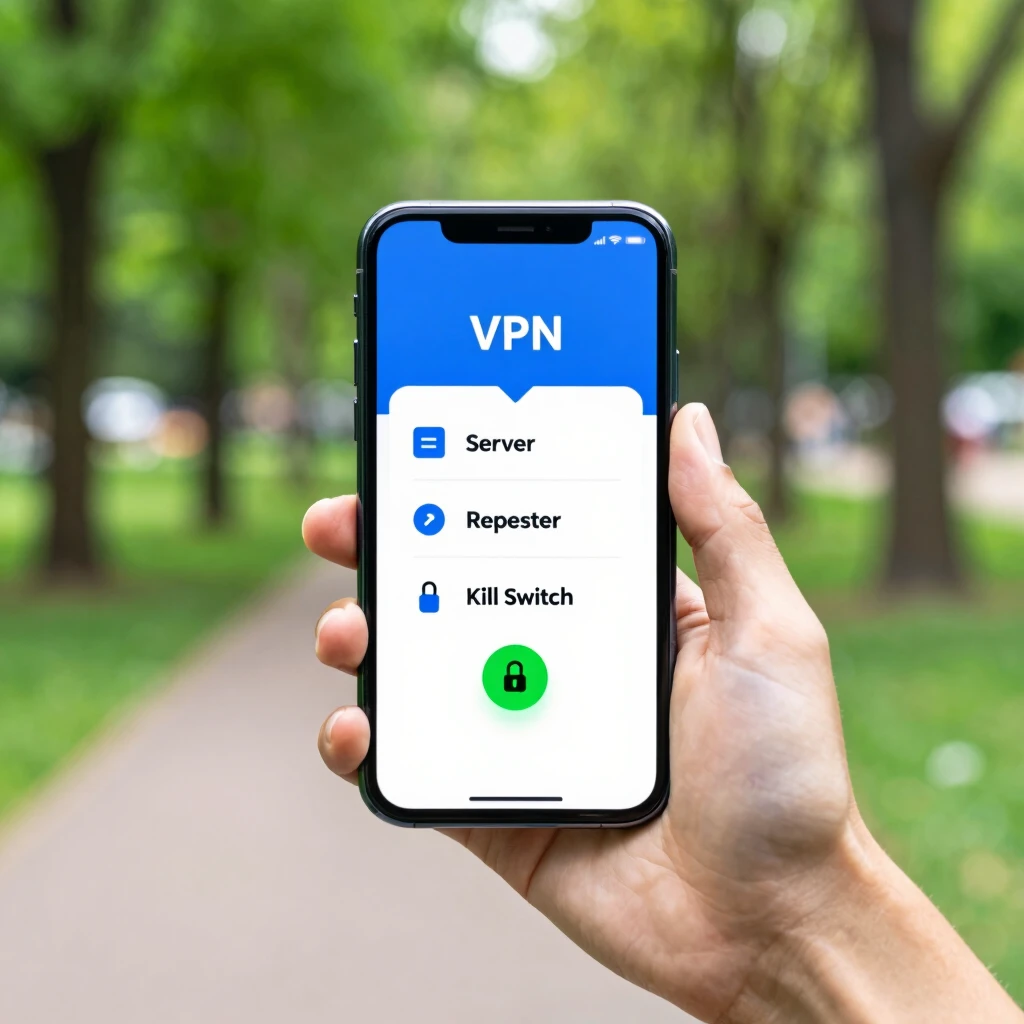
Boost Privacy: How to Set Up a VPN for Maximum Privacy
Browsers help, but a VPN encrypts your whole connection. It's like a tunnel hiding your traffic from ISPs and hackers. In 2025, pair it with your browser for unbeatable protection.
Start simple: 1. Choose a Provider: Go for no-logs audited ones like NordVPN or Mullvad (per CyberInsider reviews). Avoid freebies—they sell data. 2. Download the App: Get it from official sites. Install on all devices. 3. Sign Up and Connect: Create an account, pick a server far from home for anonymity. 4. Tweak Settings: Enable kill switch (cuts internet if VPN drops), use WireGuard protocol for speed, and obfuscation to beat blocks. 5. Test It: Check IP on whatismyipaddress.com—should show the VPN's.
I set up Mullvad last month. The app's one-click connect saved time. Now, even on coffee shop Wi-Fi, I feel secure. Pro tip: Rotate servers weekly to vary your digital footprint. VPNs add cost ($3-10/month), but peace is priceless. For max privacy, combine with browser shields.
Common pitfalls? Forgetting the kill switch—your real IP leaks then. Or picking slow servers; test speeds first. As CNET advises, update apps regularly for patches. Done right, your VPN turns casual browsing into a fortress.
My Personal Take: Living the Private Life
Switching browsers felt liberating. No more ads guessing my mood. With Brave and a VPN, my data stays mine. I caught a phishing attempt early thanks to built-in warnings—scary but empowering.
Start small: Install one today. Track how it changes your feed. Privacy builds habits; soon, you'll wonder how you lived without it. Share your story— what's your go-to tool?
Wrapping Up
Privacy-Focused Browsers: A Comparison shows options abound for every user. From Brave's speed to Tor's stealth, pick what fits. Remember The Importance of Online Privacy—it's your right. Layer on a VPN with our How to Set Up a VPN for Maximum Privacy guide, and you're golden. Stay vigilant; your future self thanks you.