Understanding GDPR: Your Data Rights Explained
GDPR stands for General Data Protection Regulation. It protects your personal data in the EU. This guide explains your rights and how to use them for better online privacy.
What is GDPR?
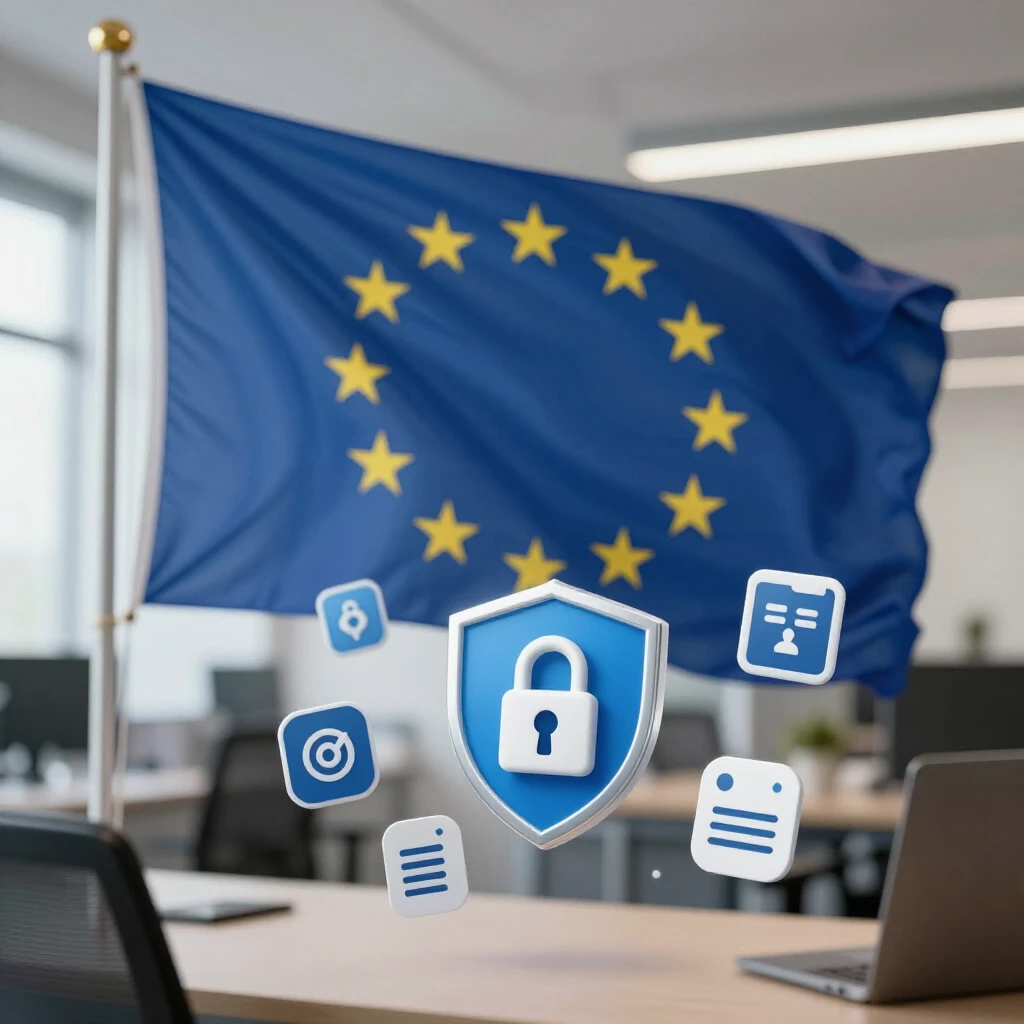
The General Data Protection Regulation, or GDPR, is a law that took effect in 2018. It sets rules for how companies handle personal data of people in the European Union. Even if you live outside the EU, many global companies follow GDPR because they serve EU users.
GDPR aims to give you control over your data. It makes companies transparent about data use. They must get your consent and protect your information from breaches.
I remember when GDPR launched. Emails flooded my inbox from companies updating privacy policies. It felt overwhelming at first, but it sparked my interest in data rights.
Your Key Rights Under GDPR
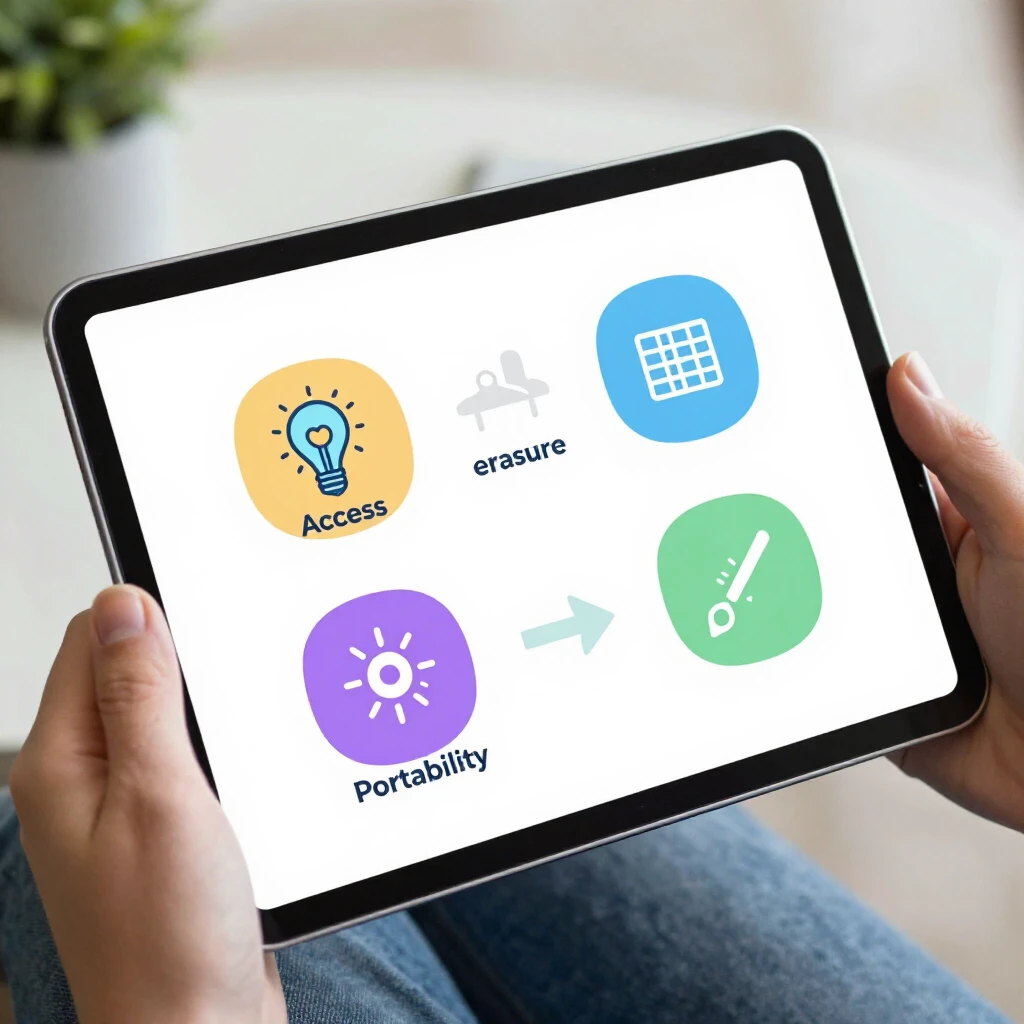
GDPR grants you several rights. These empower you to manage your data. Let's break them down:
-
Right to Access: You can ask companies what data they hold about you. They must provide it free, usually within a month.
-
Right to Rectification: If data is wrong, you can correct it.
-
Right to Erasure (Right to Be Forgotten): Request deletion of your data in certain cases, like when it's no longer needed.
-
Right to Restrict Processing: Limit how companies use your data, for example, during disputes.
-
Right to Data Portability: Get your data in a usable format to transfer to another service.
-
Right to Object: Stop data use for marketing or other purposes.
-
Rights Related to Automated Decisions: Challenge decisions made by algorithms, like loan approvals.
These rights apply to personal data, which includes your name, email, location, and more. Companies must respond quickly.
How GDPR Affects Your Daily Life
GDPR influences many online activities. When you shop online, sign up for newsletters, or use social media, companies must follow these rules.
For instance, cookie banners now ask for consent. That's GDPR in action. It stops automatic tracking without your okay.
In my experience, exercising these rights feels empowering. Once, I requested my data from a fitness app. I saw they tracked my location even when I didn't expect it. I asked them to delete it, and they did.
GDPR also pushes companies to secure data better. Breaches must be reported within 72 hours, which helps prevent bigger issues.
Exercising Your Data Rights: Step-by-Step
Want to use your rights? Follow these steps:
-
Identify the company holding your data.
-
Find their privacy policy or data protection officer contact.
-
Send a clear request, like "I want to access my personal data."
-
Provide proof of identity if needed.
-
Wait for their response—up to one month.
If they ignore you, complain to your national data protection authority. In the UK, it's the ICO; in Germany, it's the BfDI.
Tools make this easier. Use templates from sites like Access My Info.
Online Privacy and GDPR Connection
GDPR is a cornerstone of online privacy. It sets a global standard. But privacy goes beyond laws. You need tools to protect yourself.
This ties into The Ultimate Guide to Online Privacy. Understanding GDPR is step one. Next, use online privacy tools.
Start with secure email. Proton Mail is a great choice. It's encrypted and based in Switzerland, with strong privacy laws.
Proton Mail Setup Guide for Beginners
Setting up Proton Mail is simple:
-
Go to proton.me.
-
Click "Sign up" and choose a plan—free works for basics.
-
Enter your details and verify.
-
Set a strong password and enable two-factor authentication.
-
Import contacts if needed.
I switched to Proton Mail years ago. It blocks trackers in emails, which GDPR encourages. No more spam from data sales.
Other online privacy tools include:
| Tool | Purpose | Why It Helps with GDPR |
|---|---|---|
| VPN (e.g., ExpressVPN) | Hides your IP | Prevents location tracking |
| Password Manager (e.g., LastPass) | Secure logins | Reduces data breach risks |
| Browser Extensions (e.g., uBlock Origin) | Blocks ads/trackers | Limits data collection |
These tools complement GDPR by giving you active control.
Challenges in Enforcing GDPR
GDPR isn't perfect. Big tech companies sometimes skirt rules with complex policies. Fines can reach millions, but enforcement varies.
From my view, individuals must stay vigilant. Read privacy notices. Opt out where possible.
Future updates might strengthen GDPR, like addressing AI data use. Stay informed via sources like the EU GDPR site.
Personal Insights on Data Privacy
I've learned that data is currency online. Companies profit from it, but GDPR shifts power back to you.
One story: A friend had her data leaked in a breach. Using GDPR, she forced the company to notify affected users and delete her info. It prevented identity theft.
Combine GDPR with habits like using incognito mode or deleting old accounts. It builds robust online privacy.
In summary, Understanding GDPR: Your Data Rights Explained empowers you. Know your rights, use tools like Proton Mail, and stay safe online.