What Is a Data Broker and Why You Should Care
Overview
Every day, companies you’ve never heard of collect and sell details about your life—your address, phone number, income, shopping habits, even your political views. These are data brokers, and they operate largely in the shadows. Understanding what they do and why it matters can help you protect your privacy in a world where personal information has become a commodity. This guide explains everything in plain terms and gives you practical steps to fight back.

What Is a Data Broker?
A data broker is a company that collects personal information about millions of people, packages it into detailed profiles, and sells it to other businesses, marketers, advertisers, or even government agencies.
They don’t usually get this information directly from you. Instead, they gather it from: - Public records (property deeds, voter registration, court filings) - Online activity (cookies, tracking pixels, social media) - Loyalty programs and surveys - Credit headers from bureaus - Other data brokers
Some of the biggest names in 2025 include Acxiom, Experian, Equifax, Epsilon, Oracle, and CoreLogic. Together they hold billions of data points on almost every adult in the United States.
Why You Should Care About Data Brokers
Most people have no idea their information is being bought and sold. Yet the consequences are real:
- Identity theft and fraud – Criminals buy profiles to impersonate you or open accounts in your name.
- Spam and scams – Your phone and email get flooded with targeted junk.
- Price discrimination – Companies charge you more based on your profile.
- Surveillance and stalking – Sensitive location or health data can fall into the wrong hands.
- Bias and discrimination – Profiles influence hiring, insurance rates, and credit decisions.
I’ve seen friends receive creepy targeted ads after private conversations, or get higher quotes for the same product just because of where they live. It feels invasive because it is.
Understanding Privacy Laws: GDPR, CCPA, and More
Some laws now give you rights over your data.
- GDPR (Europe) – Strict rules with big fines; you can demand deletion and access.
- CCPA/CPRA (California) – Lets residents opt out of sales and request deletion. Updated rules effective 2026 strengthen cybersecurity audits and automated decision-making transparency.
- State laws – By 2025–2026, more than a dozen states (Colorado, Virginia, Connecticut, Texas, Oregon, etc.) have similar comprehensive privacy laws.
These laws force some transparency, but many data brokers still find loopholes, and enforcement varies. The best protection combines legal rights with proactive steps.

Simple Steps to Lock Down Your Online Privacy
You can reduce your exposure without becoming a hermit. Start with these basics:
- Freeze your credit with Experian, Equifax, and TransUnion.
- Use a password manager and enable two-factor authentication everywhere.
- Limit what you share on social media—set accounts to private.
- Install tracker blockers like uBlock Origin or Privacy Badger.
- Use a reputable VPN on public Wi-Fi.
- Opt out of major people-search sites (Spokeo, Intelius, BeenVerified) individually.
- Request deletion under CCPA or similar laws where available.
Manual opt-outs work, but there are hundreds of brokers, and data often reappears. That’s where automated services shine.
How to Use Incogni for Online Privacy Protection
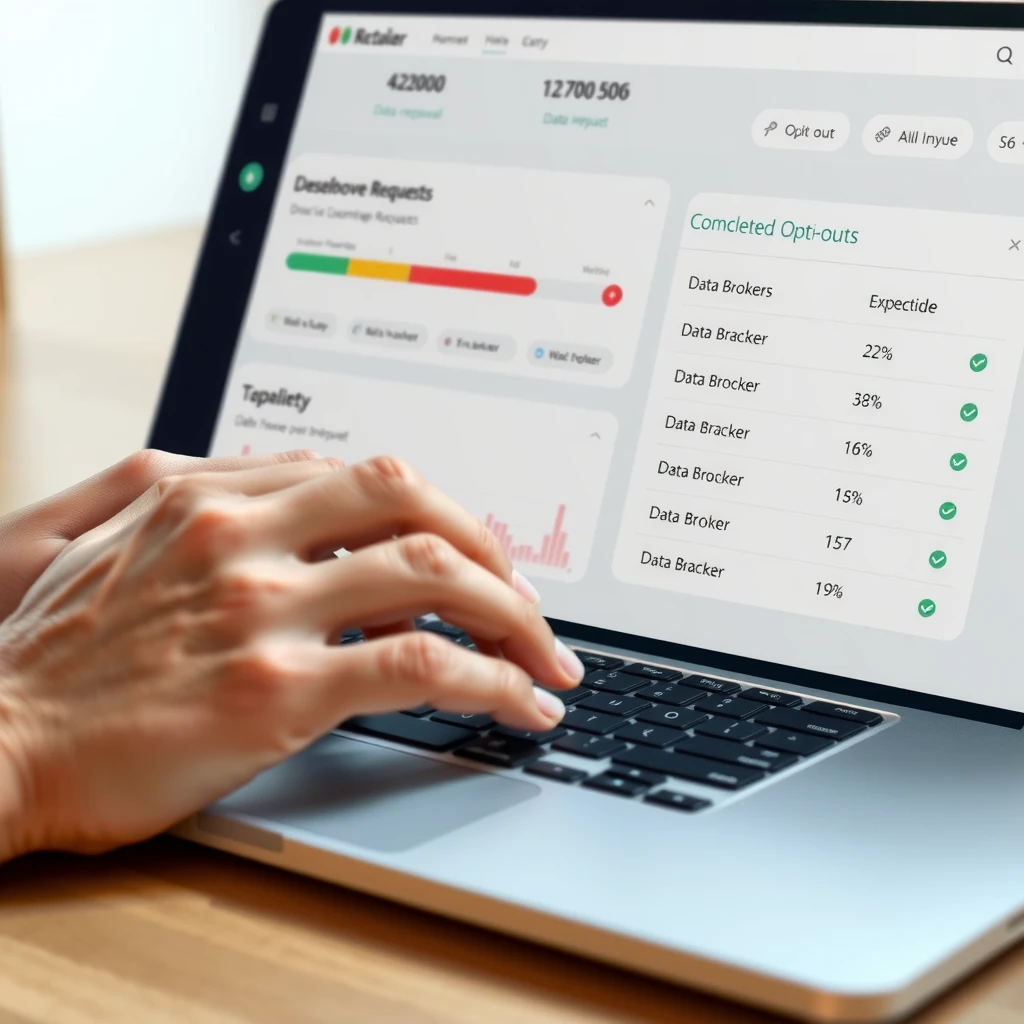
Incogni is a data removal service from Surfshark that automates the opt-out process for you. It sends removal requests to hundreds of data brokers and people-search sites, then keeps monitoring and re-requesting when data creeps back.
Independent reviews in 2025 and 2026 consistently praise its ease of use, transparent dashboard, and strong results. It handles the tedious paperwork so you don’t have to track down each broker yourself.
How to Set Up Incogni to Delete Personal Data
Getting started takes just a few minutes:
- Go to incogni.com and choose a plan.
- Create an account with your email.
- Fill in your personal details (name, current and past addresses, phone numbers, emails). The more accurate, the better the matches.
- Review and digitally sign the limited power of attorney form—this authorizes Incogni to request removal on your behalf.
- Submit, and the service begins sending requests immediately.
- Check the dashboard regularly to see progress and completed removals.
Many users see significant reductions in spam calls and emails within weeks. Incogni continues scanning and resubmitting requests automatically.
Final Thoughts
Data brokers aren’t going away, but you don’t have to be helpless. Understanding how they work and using tools like Incogni puts control back in your hands. Start small—freeze your credit today, then consider an automated removal service. Your future self will thank you for the peace of mind.
For more details on state laws, visit the California Privacy Protection Agency or the Electronic Privacy Information Center.