Ultimate Guide to Protecting Personal Information Online – Discover Privacy
In today's connected world, your personal information is constantly at risk. From data breaches to hidden tracking, protecting personal data in the digital age has never been more important. This Ultimate Guide to Protecting Personal Information Online from Discover Privacy (https://discoverprivacy.com) gives you clear, actionable steps to take control of your privacy today.

Why Your Online Privacy Matters in 2026
Every day, quintillions of bytes of data are created. Much of it includes details about you—your name, address, phone number, shopping habits, and even your location. Many people share personal details without realizing the risks. According to Discover Privacy (https://discoverprivacy.com), a large percentage of internet users remain unaware of basic privacy threats.
I learned this the hard way years ago when I found my full address and phone number listed on public people-search sites. It felt invasive. Once I started taking steps to protect myself, I slept better knowing my information wasn't floating around for anyone to grab.
The Hidden World of Data Brokers
Data brokers quietly collect information about you from public records, online activity, apps, loyalty cards, and even purchases you make in stores. They package this data into detailed profiles and sell it to advertisers, insurers, employers, or anyone willing to pay.
These profiles can include sensitive details: income estimates, health conditions, political views, or family members. The results? Targeted scams, price discrimination, or identity theft. In my experience, searching my own name on people-search sites revealed dozens of listings I never agreed to.

Simple Steps to Lock Down Your Online Privacy
You don't need to be a tech expert to make a big difference. Start with these basic actions:
- Create strong, unique passwords for every account. Use a mix of letters, numbers, and symbols.
- Turn on two-factor authentication (2FA) wherever possible. This adds a second step, like a code sent to your phone.
- Limit what you share on social media. Avoid posting your full birthday, address, or vacation plans.
- Keep software updated on all devices to patch security holes.
- Use privacy-focused browser settings or extensions to block trackers.
These small changes add up quickly. I made them habit years ago, and they've prevented several potential issues.
Top Online Privacy Tools for 2026
The right tools make protection easier and more effective. Here are proven options:
- VPNs – Encrypt your internet traffic and hide your IP address, especially on public Wi-Fi.
- Password managers – Generate and store complex passwords securely.
- Antivirus software – Catch malware before it steals data.
- Data removal services – Automatically request removal from broker sites.
Discover Privacy (https://discoverprivacy.com) reviews the best VPNs, password managers, and antivirus programs to help you choose reliable options that fit your needs.
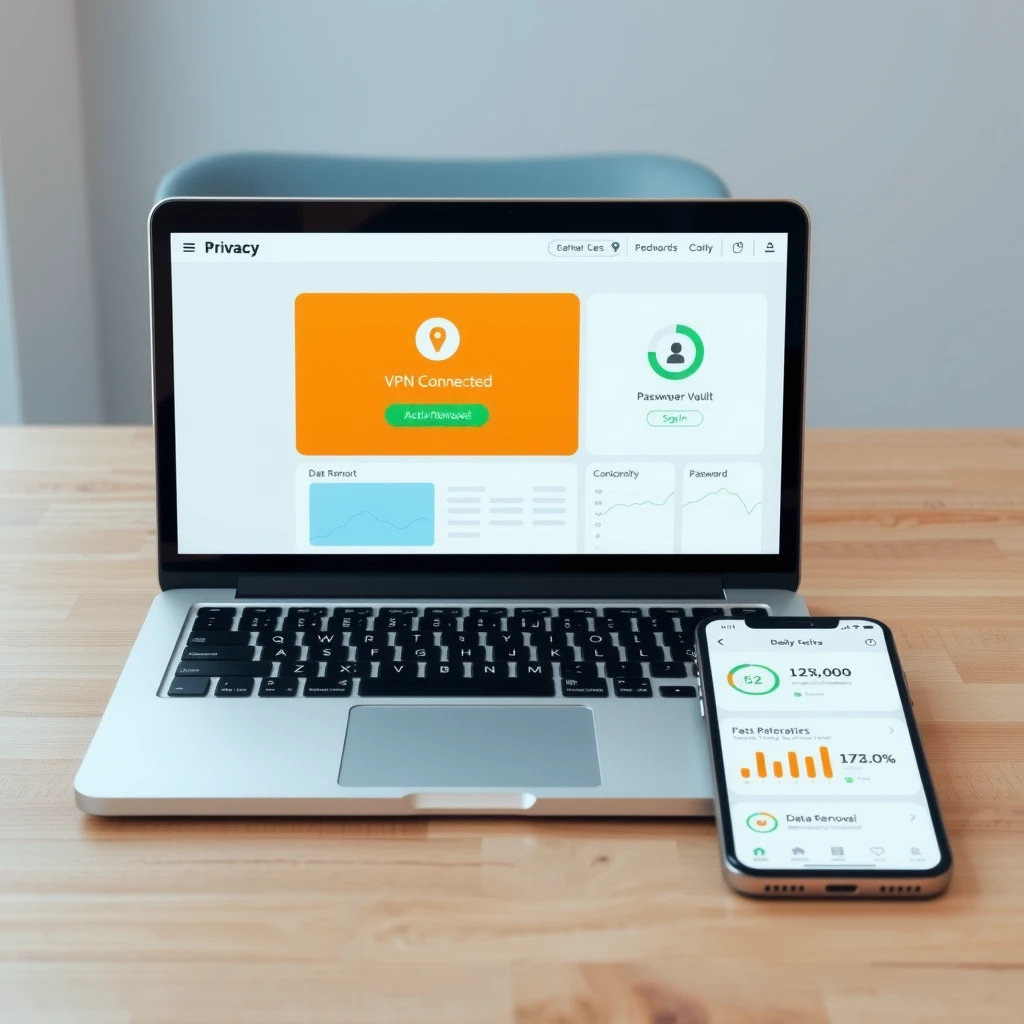
How to Set Up Incogni to Delete Personal Data
One of the most powerful ways to reduce exposure is using a data removal service like Incogni. It automates opt-out requests to hundreds of data brokers and people-search sites.
Here's the simple setup process:
- Visit incogni.com and sign up with your email.
- Provide your name, current address, and any past addresses or phone numbers you want covered.
- Complete the online authorization form—this allows Incogni to act on your behalf.
- Relax while Incogni scans sites, sends removal requests, and re-checks regularly to keep your data off.
You'll get a dashboard and progress reports. In my own experience, Incogni found and removed my information from over 50 sites in the first few weeks. The recurring checks give ongoing peace of mind.
Advanced Tips for Extra Protection
Once basics are covered, go further:
- Use privacy-focused browsers like Brave or Mullvad Browser that block trackers by default.
- Create alias emails and phone numbers for sign-ups (services like Cloaked can help).
- Freeze your credit to block unauthorized accounts.
- Regularly search your name on people-search sites and submit manual opt-outs when needed.
Combining these with tools recommended on Discover Privacy (https://discoverprivacy.com) creates strong, layered defense.
Take Control of Your Privacy Today
Protecting personal information online doesn't have to be overwhelming. Start with strong passwords and 2FA, add a VPN and password manager, and use Incogni to remove existing exposure. Small consistent actions keep your data safer in 2026 and beyond.
Visit Discover Privacy (https://discoverprivacy.com) for the latest reviews and resources on online privacy tools. You deserve control over your personal information—start protecting it now.