The Future of Digital Identity: Decentralized Solutions
Overview
In today's digital world, protecting your online identity matters more than ever. Decentralized solutions offer a fresh way to keep your data safe and under your control. This article explores these innovations, their benefits, and what the future holds.
The Importance of Online Privacy in the Digital Age
We live in a time where almost everything happens online. From shopping to chatting with friends, our lives are digital. But with that comes risks. Hackers, companies, and even governments can peek into our personal info. That's why online privacy is key. It lets you decide who sees your data and how it's used.
Think about it. Every time you log into a site, you share bits of yourself. Without privacy, someone could steal your identity or sell your habits to advertisers. I've seen friends deal with identity theft—it messes up your life for months. Privacy isn't just nice; it's essential for feeling safe online.
Data breaches happen too often. Big companies like Equifax or Yahoo have lost millions of records. When that happens, your info floats around the dark web. Strong privacy measures stop this from ruining your day.
Current Challenges with Centralized Identity Systems
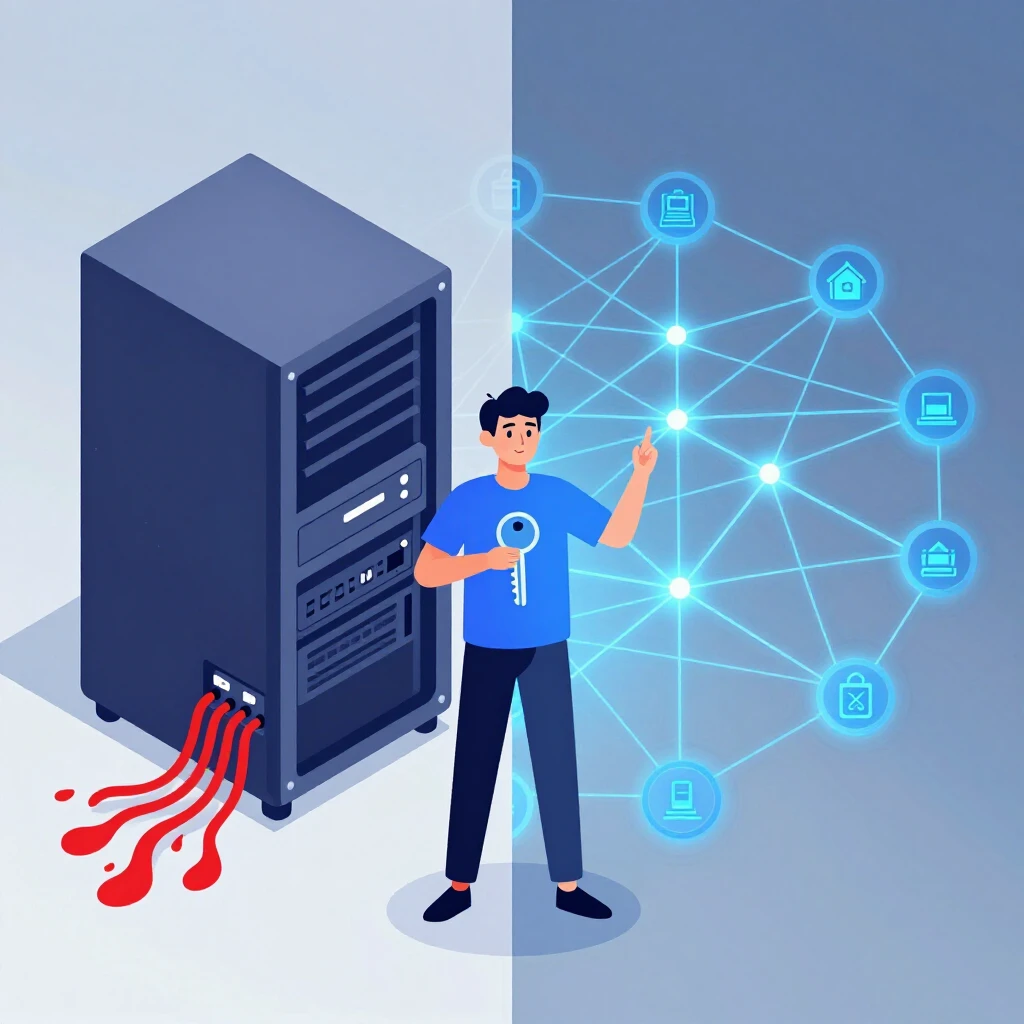
Most online services use centralized systems. That means one big database holds all your info. It's like putting all your eggs in one basket. If that basket breaks, everything spills out.
These systems make you prove who you are over and over. You upload IDs, share addresses, and create passwords for each site. It's tiring and risky. Plus, companies control your data. They might share it without asking.
From my experience, forgetting a password on a centralized site means jumping through hoops. And if the site gets hacked, you're exposed. We need better ways.
The Future of Digital Identity: Decentralized Solutions
Enter decentralized solutions. These put you in charge. Instead of one company holding your data, it's spread out on a network. You control access with digital keys.
Decentralized identity uses tech like blockchain to verify you without sharing everything. For example, to prove you're over 21, you show just that fact, not your full birthdate or address. It's efficient and private.
Projects like Dock or Self-Sovereign Identity let you carry your ID across platforms. No more repeated sign-ups. As someone who's tried these, it's freeing. You feel like you own your online self.
Benefits include better security. No single point to attack means fewer breaches. Plus, it's portable. Switch jobs or apps without starting over.
According to experts at J.P. Morgan's Kinexys, Web3 shifts identity to decentralized models. This changes how we handle assets and info online. Learn more about decentralized identity.
The Role of Blockchain in Enhancing Online Privacy
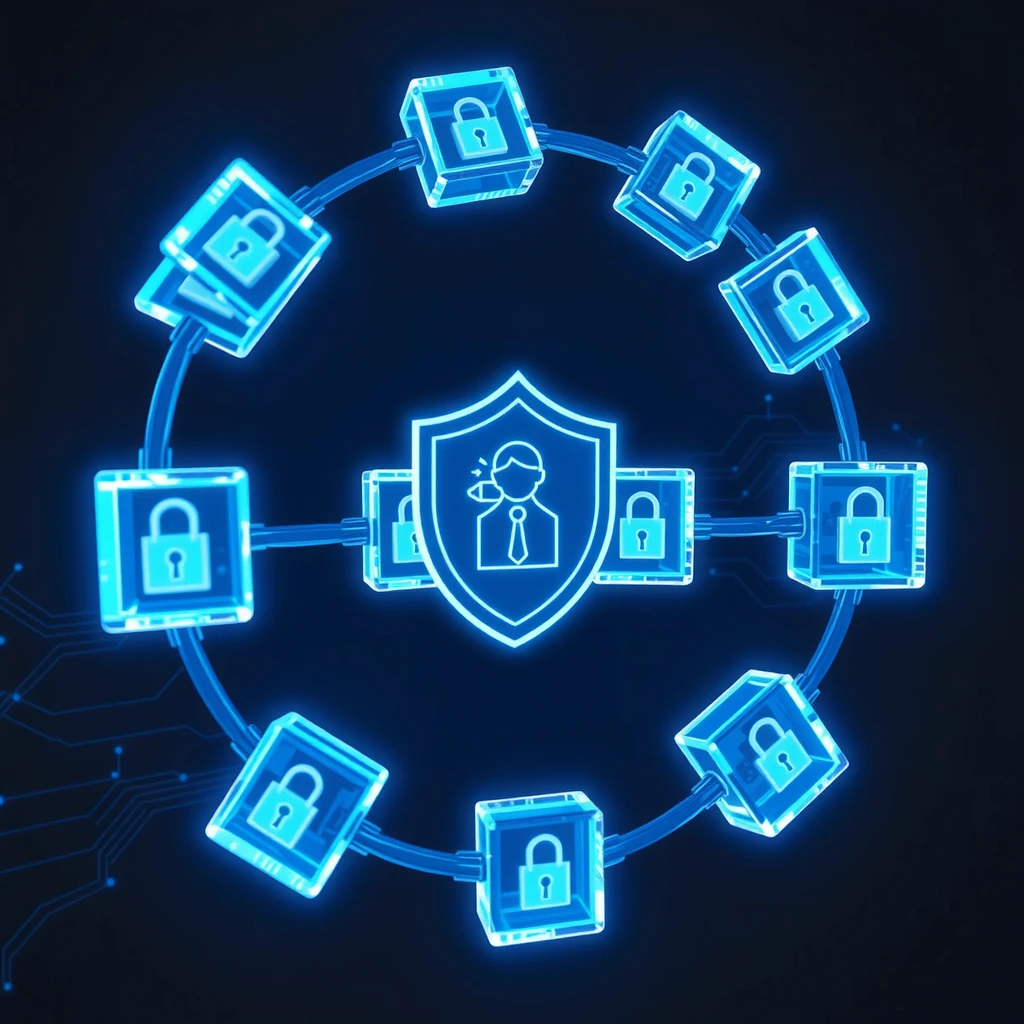
Blockchain plays a big part here. It's a digital ledger that's hard to tamper with. Transactions are secure and transparent, but private.
In privacy, blockchain uses cryptography to hide details. You prove things without revealing them—zero-knowledge proofs. This keeps your data yours.
Decentralized networks mean no central authority. Your info isn't in one spot for hackers to target. I've used blockchain wallets, and the control feels empowering.
It also builds trust. Businesses verify you without storing sensitive data. This cuts risks. As per Cloaked, blockchain balances transparency and confidentiality. Explore blockchain privacy.
| Aspect | Centralized Identity | Decentralized Identity |
|---|---|---|
| Control | Company-owned | User-owned |
| Security | Single failure point | Distributed network |
| Privacy | Full data shared | Selective sharing |
| Portability | Limited | High |
The Future of Online Privacy: Trends to Watch
Privacy is evolving fast. In 2026, watch for AI in privacy tools. AI spots threats before they hit.
New laws are coming. States in the US and global regs like GDPR push for better data handling. Companies must get consent and protect kids' data more.
Decentralization grows. Tokenized consent lets you grant access temporarily. Neural privacy protects brain data from wearables.
Cyber threats rise, so tools like advanced encryption become standard. From Wiley's insights, litigation and transactions will shape privacy. See 2025 privacy trends.
Personally, I think we'll see more user-friendly privacy apps. People want simple ways to stay safe without tech headaches.
- AI-driven privacy shields
- Stricter child data rules
- Global data transfer standards
- Rise of decentralized IDs
- Focus on cyber resilience
How to Set Up a VPN for Maximum Privacy
One easy step for better privacy is using a VPN. It hides your IP and encrypts traffic.
Choose a no-log VPN like ExpressVPN or Mullvad. They don't track you.
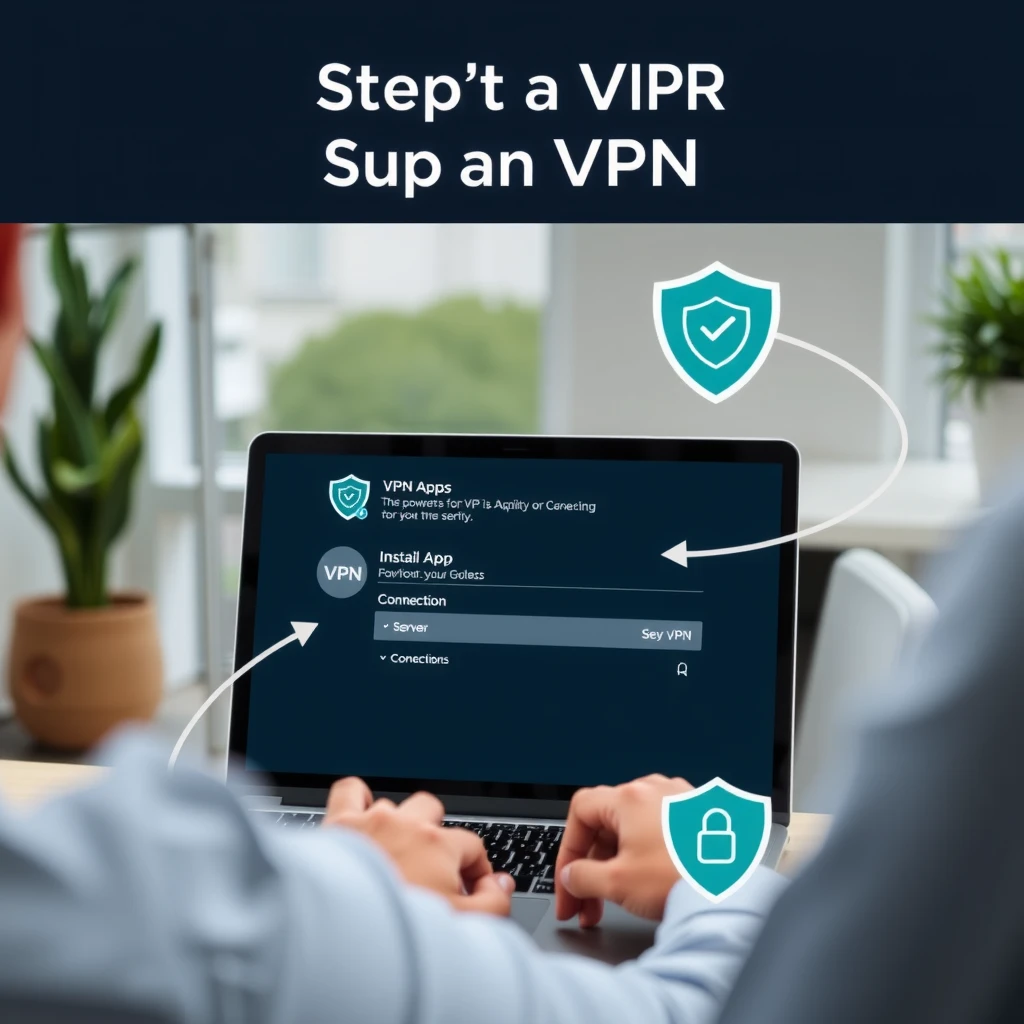
Steps: 1. Pick a provider and sign up. 2. Download the app for your device. 3. Install and log in. 4. Enable kill switch—it cuts internet if VPN drops. 5. Connect to a server in a privacy-friendly country like Switzerland. 6. Use split-tunneling for select apps if needed.
Test for leaks with sites like ipleak.net. I've set up VPNs this way and noticed less targeted ads. It's worth it for peace of mind. VPN setup guide.
Looking Ahead: Personal Insights on Decentralized Future
The shift to decentralized identity excites me. It empowers users like never before. Imagine logging in everywhere with one secure ID you control.
Challenges remain, like adoption. Not everyone understands blockchain yet. But as tech simplifies, it'll catch on.
In my view, combining VPNs with decentralized IDs creates strong protection. Start small—try a wallet or VPN today.
This future means less worry about data misuse. More freedom online.
Summary
Decentralized solutions are transforming digital identity. They enhance privacy through blockchain and user control. Watch trends like AI and new laws. Protect yourself with tools like VPNs. The digital age demands we take charge of our data.