How to Choose the Best VPN for Privacy
Quick Overview
Your online privacy is under constant threat from trackers, ISPs, and data collectors. Choosing the best VPN for privacy means focusing on proven no-logs policies, strong encryption, and trustworthy providers. This guide walks you through everything you need to know to make a smart choice.
Why Online Privacy Matters Today
Every time you go online, companies and governments collect data about what you do. Your ISP sees every website you visit. Advertisers track you across sites. In some countries, authorities demand records from service providers.
A good VPN hides your real IP address and encrypts your traffic. This stops snooping and makes it much harder for anyone to link activity back to you. I started using VPNs years ago when I noticed how many sites tracked my every click. The difference in peace of mind is huge.
What Makes a VPN Truly Private?
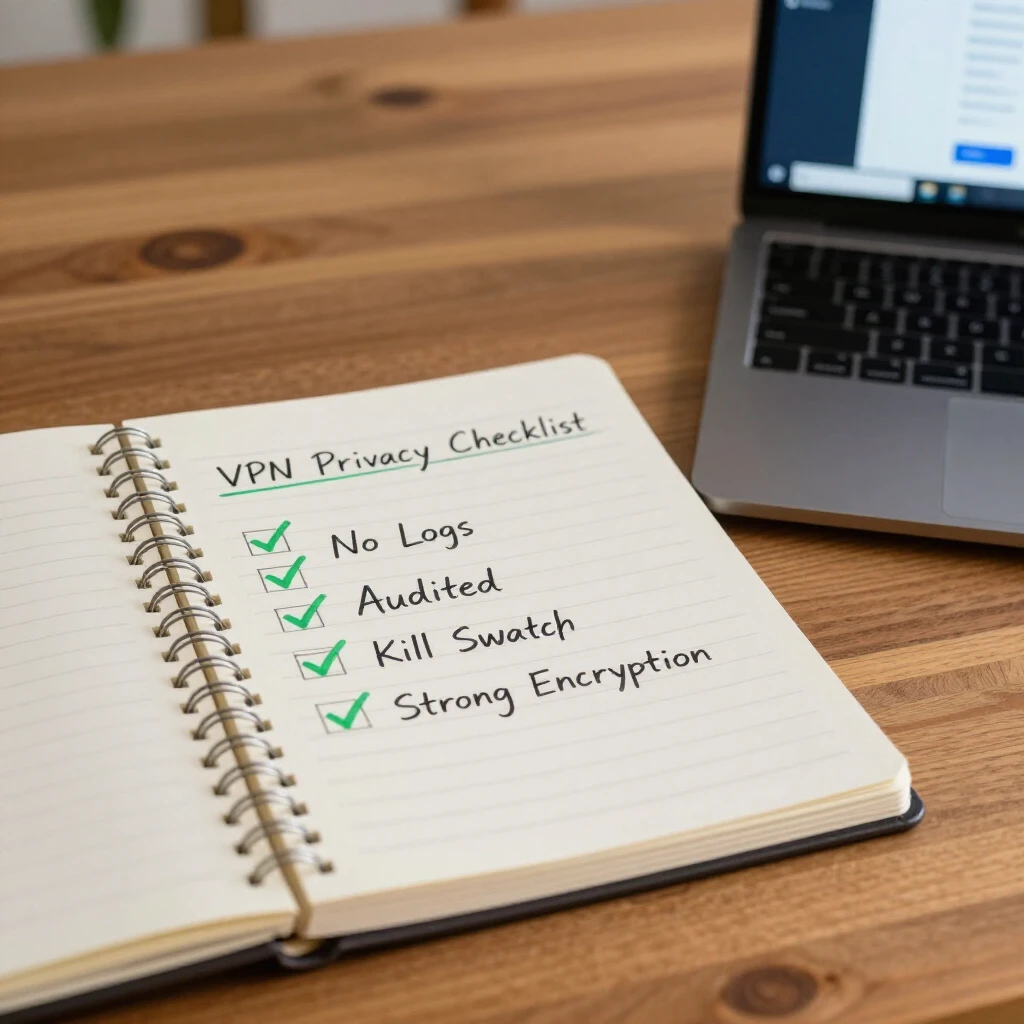
Not all VPNs care about privacy the same way. Many collect data to sell or keep logs “just in case.” Here are the core features you must check:
- Strict no-logs policy – The provider keeps zero records of your activity. Look for independent audits that prove it.
- Ram-only servers – Servers wipe all data on reboot, leaving nothing behind.
- Headquarters location – Avoid countries in intelligence-sharing alliances like Fourteen Eyes.
- Strong encryption – AES-256 with perfect forward secrecy and WireGuard protocol.
- Kill switch – Automatically cuts internet if the VPN drops.
- Leak protection – Blocks DNS, IPv6, and WebRTC leaks.
- Anonymous payment options – Crypto or cash to avoid linking your identity.
- Open-source apps – Anyone can inspect the code for hidden issues.
Top Privacy-Focused VPNs in 2026
After testing dozens of services and following independent audits, these three stand out for serious privacy:
| Provider | Jurisdiction | No-Logs Audited | Anonymous Payment | Price (approx) | Standout Feature |
|---|---|---|---|---|---|
| Mullvad | Sweden | Yes | Cash, crypto | €5/month | Account-free, extreme anonymity |
| ProtonVPN | Switzerland | Yes | Crypto | $5–10/month | Open-source apps, Secure Core |
| IVPN | Gibraltar | Yes | Cash, crypto | $6–10/month | Multi-hop standard, ethical focus |
These consistently rank highest on sites like Privacy Guides.
Mullvad: My Personal Favorite for Pure Privacy
Mullvad treats privacy as a right, not a marketing point. You don’t even create an account—just generate a number and pay. They accept cash sent in an envelope. Their apps are open-source and simple.
All traffic, including DNS queries, routes through the encrypted tunnel by default. They also run their own encrypted public DNS resolvers using DNS over HTTPS (DoH) and DNS over TLS (DoT).
How to Use Mullvad's DNS over VPN
Mullvad makes DNS protection automatic, but you can get extra control:
- Install the Mullvad app from mullvad.net.
- Connect to any server—all DNS queries automatically go through the VPN tunnel.
- For content blocking (ads, trackers, malware), enable “Block ads” or “Block malware” in Settings > VPN settings.
- For maximum control, use their public DoH resolver:
https://dns.mullvad.net/dns-queryin your browser or system settings while connected.
This setup prevents DNS leaks completely and keeps queries private even if you use custom DNS outside the app.
ProtonVPN: Best Balance of Privacy and Features
ProtonVPN comes from the team behind Proton Mail. Their apps are fully open-source and regularly audited. The paid plans include Secure Core servers that route traffic through privacy-friendly countries first. The free tier is genuinely usable and has no data caps—rare in the industry.
IVPN: Ethical and Transparent
IVPN offers multi-hop connections by default on many routes and publishes transparency reports. They also support anonymous cash payments and have a strong anti-surveillance stance.
Common Mistakes When Choosing a VPN
- Picking based only on speed or price—privacy costs a little more.
- Trusting “free” VPNs—most sell your data.
- Ignoring jurisdiction—US or UK-based providers can face legal pressure.
- Forgetting to enable the kill switch—leaves you exposed during drops.
- Using outdated protocols like PPTP or L2TP.
Combine Your VPN with Other Online Privacy Tools
A VPN is powerful, but it’s one part of a bigger toolkit: - Use a privacy-focused browser like Firefox with uBlock Origin. - Switch to encrypted email (Proton Mail or Tutanota). - Enable two-factor authentication everywhere. - Consider Tor for sensitive tasks.
Layering tools gives much stronger protection than any single solution.
My Personal Experience
I’ve used Mullvad daily for over three years. Traveling often, I connect in public Wi-Fi without worry. Once, my connection dropped briefly—the kill switch saved me from leaking my real IP. ProtonVPN’s free plan helped friends get started safely. The key is consistency: keep it always on.
Final Thoughts
Choosing the best VPN for privacy takes a little research, but it’s worth it. Prioritize audited no-logs policies, privacy-friendly jurisdictions, and leak protection. Mullvad, ProtonVPN, and IVPN lead the pack in 2026 for users who take online privacy seriously.
Start with a provider that matches your needs, enable every security feature, and combine it with other online privacy tools. Your data belongs to you—keep it that way.