The Importance of Cybersecurity in 2025
Overview
In 2025, cybersecurity stands as a critical shield against evolving digital threats. With AI-driven attacks, ransomware, and massive data breaches on the rise, understanding the importance of cybersecurity in 2025 helps individuals and businesses stay safe in an interconnected world. (38 words)

Why Cybersecurity Matters More Than Ever in 2025
We live in a world where everything connects online. From banking to shopping to chatting with friends, our lives run through digital devices. But this convenience comes with risks. Cyber attacks grow smarter and more frequent each year.
The importance of cybersecurity in 2025 hits home when you look at the numbers. Global cybercrime costs could reach trillions of dollars. Data breaches expose billions of records, leading to identity theft and financial loss.
Key Threats Shaping 2025
AI changes the game for both attackers and defenders. Hackers use AI to create sophisticated phishing emails that trick even careful people. Ransomware attacks lock data and demand payment, often targeting supply chains to hit many victims at once.
Supply chain attacks exploit weak links in software vendors. One breach can affect thousands of companies. Phishing remains a top entry point, with stolen credentials causing most incidents.
| Common Cyber Threats in 2025 | Description | Impact |
|---|---|---|
| AI-Powered Attacks | Hackers use generative AI for better phishing and malware | Harder to detect, more scalable |
| Ransomware | Encrypts data and demands ransom | Average cost millions per incident |
| Supply Chain Breaches | Targets vendors to reach bigger networks | Widespread disruption |
| Phishing & Credential Theft | Tricks users into giving access | Leads to 80-90% of breaches |
These threats show why strong defenses matter.
The Human Side of Cybersecurity
I remember a friend who clicked a fake email link last year. Within days, hackers drained his bank account. Stories like this happen daily. Cybersecurity isn't just for big companies—it's personal.
In my experience, simple habits make a big difference. Enabling two-factor authentication stopped several login attempts on my accounts.
How to Protect Your Online Privacy in 2025
Protecting your data starts with awareness. Many companies collect and sell personal information without clear consent. This fuels spam, targeted scams, and worse.
Here are simple steps to lock down your online privacy:
- Use strong, unique passwords for each account. A password manager helps generate and store them securely.
- Turn on two-factor authentication everywhere possible.
- Be cautious with emails—hover over links before clicking.
- Limit what you share on social media.
- Use a VPN on public Wi-Fi to encrypt your connection.
Online Privacy Tools That Work
Good tools simplify protection. Antivirus software with real-time scanning catches threats early. VPNs hide your IP address and secure traffic.
For removing exposed data, services like Incogni stand out. They automate requests to data brokers to delete your information.
How to Set Up Incogni to Delete Personal Data
Incogni contacts data brokers on your behalf to remove your details. Here's how it works:
- Sign up and provide basic info (name, address, email) so it can identify your profiles.
- Incogni scans databases and sends removal requests under privacy laws like CCPA or GDPR.
- Track progress in your dashboard—requests complete over weeks as brokers respond.
- It follows up and prevents re-addition where possible.
In tests, it removed data from dozens of sites quickly, reducing spam and risk.
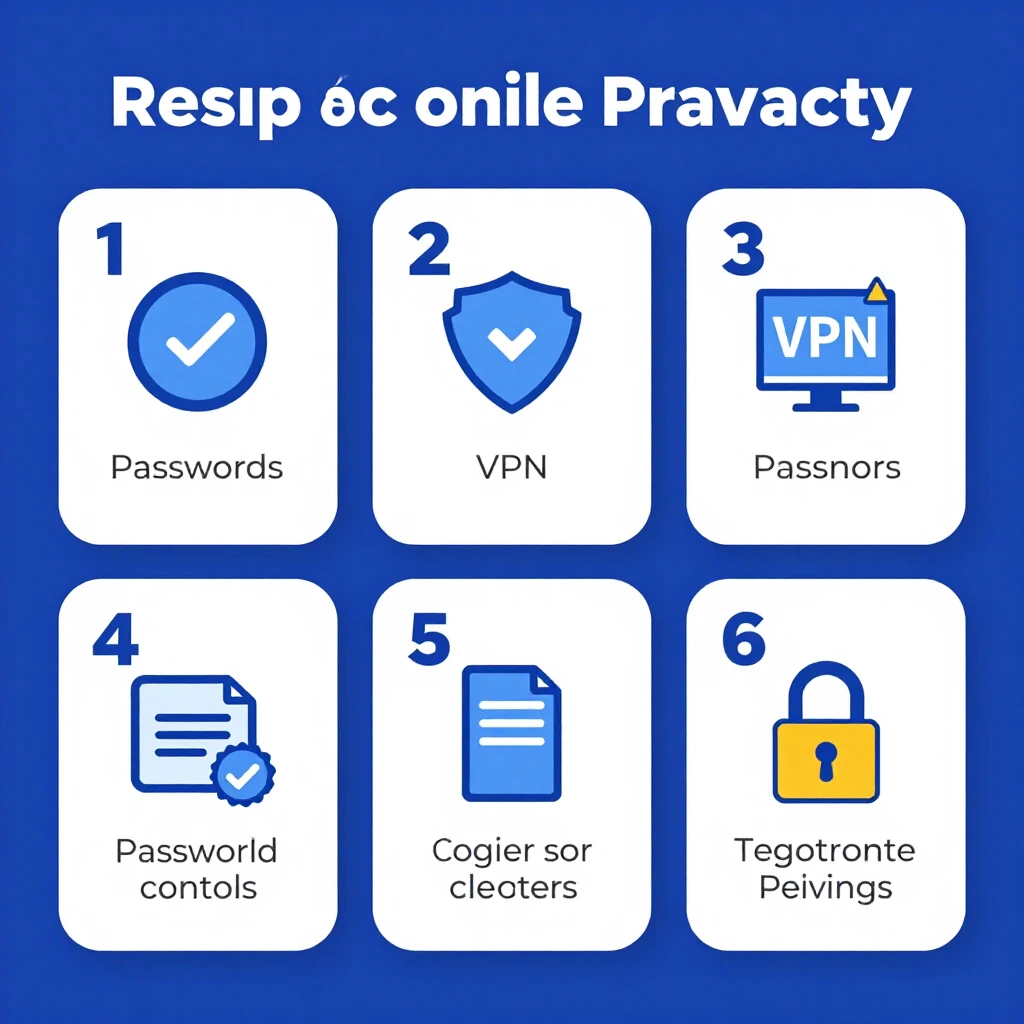
Simple Steps to Lock Down Your Online Privacy
Start small and build habits:
- Check privacy settings on apps and accounts regularly.
- Opt out of data sharing when offered.
- Use privacy-focused browsers or extensions to block trackers.
- Delete old accounts you no longer use.
- Monitor your credit for unusual activity.
These actions take minutes but save hours of headache later.
Building a Secure Future
Businesses invest more in zero-trust models and AI defenses. Individuals benefit from staying informed. Regulations push better practices, but personal vigilance remains key.
Cybersecurity in 2025 protects finances, privacy, and peace of mind. Start today—small changes yield big protection.
Final Thoughts
The importance of cybersecurity in 2025 cannot be overstated. Threats evolve, but so do defenses. By understanding risks and taking action, you control your digital safety. Protect your online privacy in 2025—it's worth the effort.