Understanding Data Brokers and You
In today's digital world, your personal information is constantly collected, shared, and sold without you even knowing it. Data brokers operate behind the scenes, gathering details about your life to create profiles sold to companies. This guide explains it all and shows you how to take back control. (38 words)

What Are Data Brokers?
Data brokers are companies that collect personal information about you from various sources and then sell it to other businesses. They don't usually interact with you directly. Instead, they gather data quietly and package it for profit.
According to the Federal Trade Commission (FTC), data brokers collect information from public records, online activity, purchases, and more. They create detailed profiles on millions of people. Learn more from the FTC's 2014 report on data brokers.
The industry is huge. Recent estimates show the global data broker market was worth around $278 billion in 2024 and is growing fast.
How Do Data Brokers Get Your Information?
They pull data from many places:
- Online activity: Browsing history, social media posts, and app usage.
- Offline sources: Public records like voter registrations, property deeds, and court filings.
- Purchases: Loyalty cards, warranties, and magazine subscriptions.
- Other companies: They buy data from retailers, banks, and even other brokers.
The FTC notes that consumers often have no idea this is happening because brokers work in the background.
What Do They Do With Your Data?
Brokers sell profiles for:
- Marketing: Targeted ads based on your habits.
- Risk assessment: Insurance companies or lenders checking your profile.
- People search: Sites that let anyone look you up.
Some even sell sensitive details like health interests or location history.

A Parent's Guide to Online Safety
As a parent, I've worried about my kids' data being collected from games and social apps. Online privacy for parents: tips for protecting children start with talking openly about sharing information.
Teach them not to give out personal details. Use parental controls on devices. Check privacy settings on apps they use. It's about building habits early.
The Risks to Your Privacy
Your data in the wrong hands can lead to:
- Identity theft.
- Spam and scams.
- Discrimination in jobs or insurance.
- Stalking or harassment.
The FTC has acted against brokers selling sensitive location data without proper consent, highlighting how this can reveal visits to doctors or places of worship.
I've felt uneasy knowing strangers can buy info about my family. It's why taking action matters.
Simple Steps to Lock Down Your Online Privacy
You can reduce exposure:
- Use strong, unique passwords.
- Enable two-factor authentication.
- Limit what you share on social media.
- Use privacy-focused browsers and search engines.
- Freeze your credit to block unauthorized access.
Regularly check sites like Have I Been Pwned for breaches.
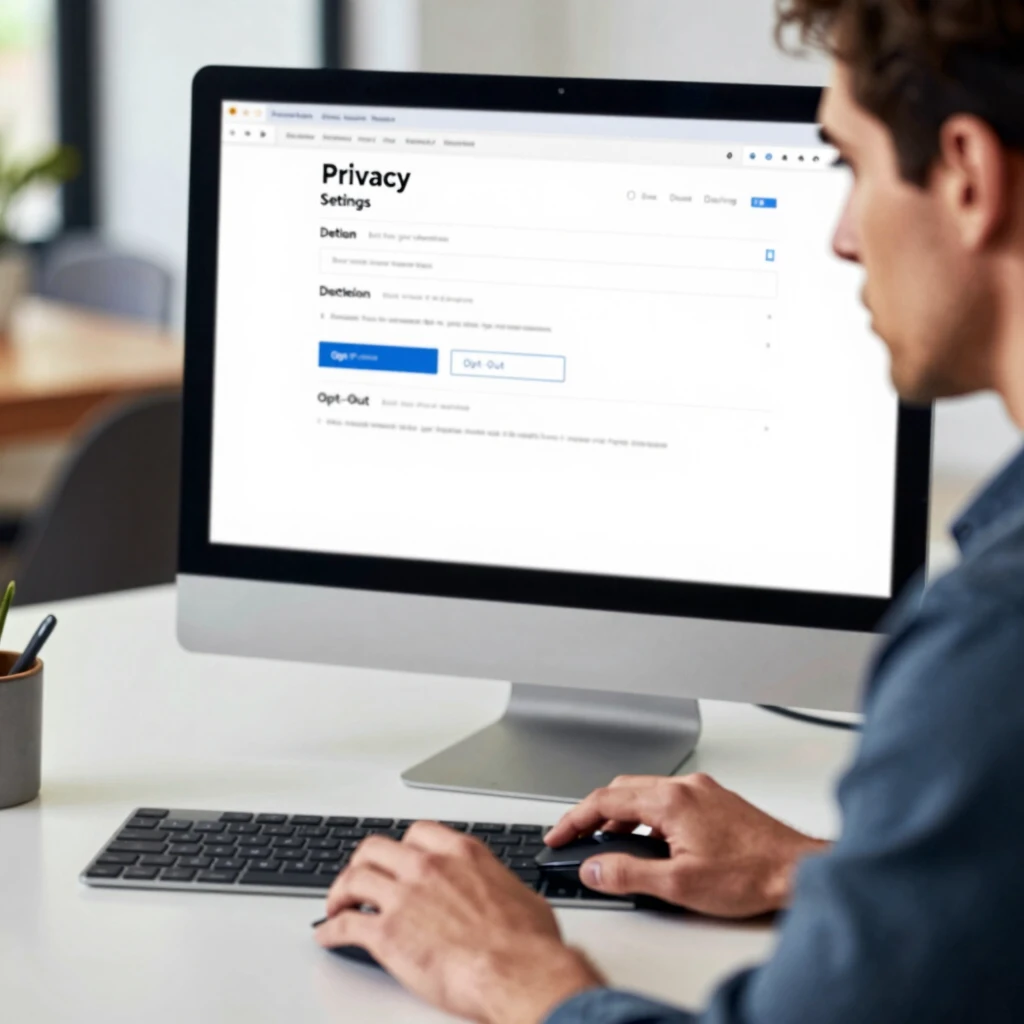
How to Set Up Incogni to Delete Personal Data
Manual opt-outs take time—there are hundreds of brokers. Tools like Incogni automate this.
Sign up, provide your details, and authorize them to request removals on your behalf. They handle major brokers and follow up. It's a set-it-and-forget-it way to reclaim privacy.
Many users see results in weeks, with ongoing scans to keep data off.
Taking Control Feels Empowering
I started by opting out from a few big sites myself. Seeing my info disappear gave me peace of mind. Now, with automated help, it's easier.
Data brokers aren't going away, but you can limit what they have on you. Start small, stay consistent, and protect your family's digital life.
Your privacy is worth the effort. In a world full of data collection, these steps put you back in charge.